US Green Building Council: Mission, Programs, Benefits, and Real-World Impact of Sustainable Leadership
The US Green Building Council (USGBC) is a nonprofit organization dedicated to transforming the way buildings and communities are designed, built, and operated. Since its founding in 1993, the USGBC has become a global leader in promoting sustainable building practices, energy efficiency, and environmentally responsible construction.
At the heart of its mission is the belief that better buildings can create better lives. Through education, advocacy, and certification programs such as LEED (Leadership in Energy and Environmental Design), the USGBC has influenced millions of square feet of construction worldwide, encouraging the adoption of practices that reduce environmental impact while improving occupant health and economic performance.
What is the US Green Building Council?

The US Green Building Council is the driving force behind some of the most widely recognized sustainability initiatives in the world. Headquartered in Washington, D.C., the council brings together diverse stakeholders, including architects, engineers, contractors, developers, policymakers, and environmental advocates.
Its most well-known program is the LEED certification system, which provides a framework for healthy, efficient, and cost-saving green buildings. Beyond LEED, the USGBC engages in research, policy advocacy, and community-building efforts to advance sustainability across multiple industries.
By focusing on measurable outcomes, the USGBC has shifted the global conversation about sustainability from a niche interest to a mainstream priority in construction and real estate.
The Mission and Vision of the US Green Building Council

The USGBC’s mission is to transform the built environment into a sustainable, healthy, and prosperous place to live, work, and learn. Its vision emphasizes creating communities that not only minimize environmental harm but also actively enhance human health and well-being.
This mission is accomplished through a multi-pronged strategy that includes education, partnerships, certification programs, and ongoing research into new building technologies. The organization’s vision extends beyond individual projects, aiming to shape entire cities and regions toward greater resilience and sustainability.
Programs and Initiatives Led by the USGBC
LEED Certification
LEED is the most recognized initiative under the USGBC umbrella. It serves as a globally accepted framework for green building design, construction, operations, and maintenance. LEED certification is awarded at different levels: Certified, Silver, Gold, and Platinum based on a project’s performance across criteria such as energy efficiency, water conservation, indoor environmental quality, and sustainable materials.
LEED-certified projects are now present in over 180 countries, demonstrating the worldwide influence of the USGBC.
Education and Training
The USGBC provides education programs for professionals, helping them gain credentials like the LEED Green Associate and LEED Accredited Professional (AP). These training pathways empower individuals to drive change within their organizations and communities.
Advocacy and Policy
The USGBC works with governments at the local, state, and federal levels to promote policies that support sustainable building. By engaging with policymakers, the council ensures that regulations encourage the adoption of green practices and incentivize innovation.
Community Engagement
Through events such as the Greenbuild International Conference and Expo, the USGBC creates platforms for stakeholders to share knowledge, innovations, and case studies. These gatherings foster collaboration and accelerate progress toward sustainable development.
Benefits of the US Green Building Council’s Work
Advancing Environmental Sustainability
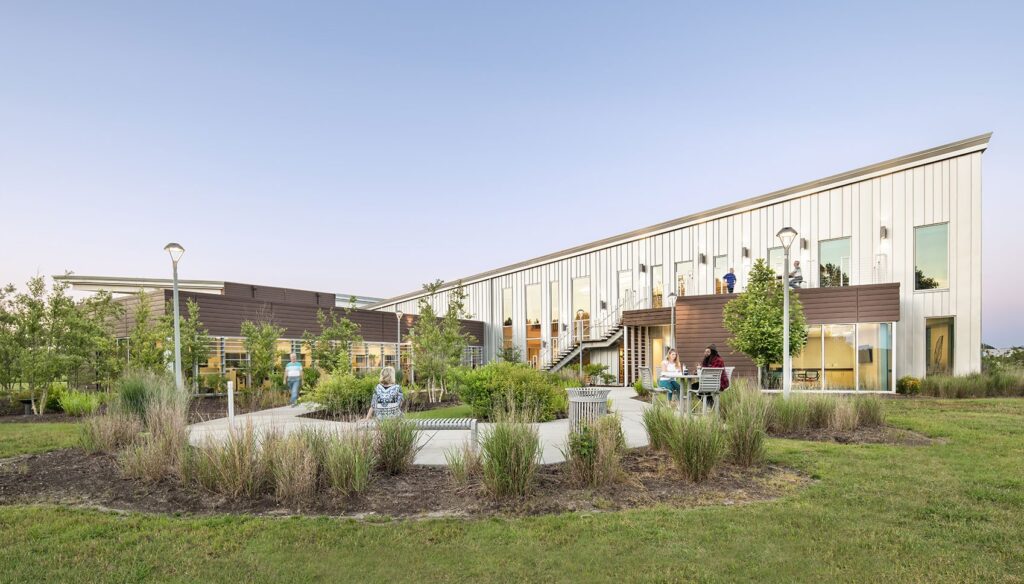
The USGBC plays a critical role in reducing the environmental footprint of the building sector. Buildings consume vast amounts of energy and water, and by promoting efficiency standards, the USGBC helps cut emissions and conserve natural resources.
Improving Human Health and Well-Being
Green buildings certified under USGBC programs often prioritize indoor air quality, natural lighting, and low-emission materials. These features create healthier spaces that improve occupant comfort, reduce illnesses, and boost productivity.
Economic and Business Advantages
For businesses and property owners, USGBC-backed certification translates into cost savings through reduced utility bills and operational efficiencies. In addition, certified buildings often achieve higher property values and rental rates, demonstrating the financial viability of sustainability.
Driving Innovation in the Industry
By setting ambitious benchmarks, the USGBC encourages innovation in design, materials, and construction technologies. This continuous push for improvement has influenced industries ranging from architecture to manufacturing.
Real-World Examples of US Green Building Council Impact
The Empire State Building Retrofit
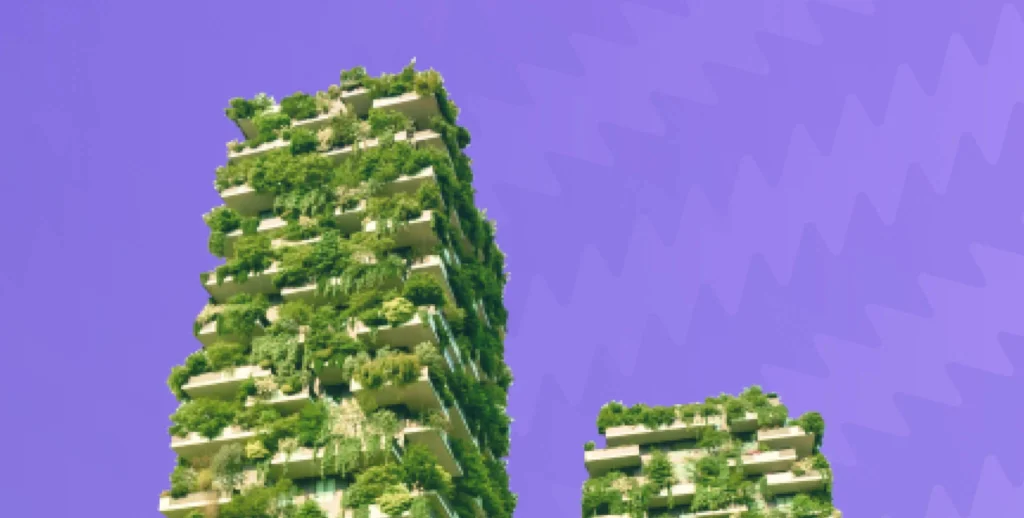
The Empire State Building in New York underwent a massive retrofit guided by USGBC principles and achieved LEED Gold certification. The renovation included upgrading insulation, installing energy-efficient windows, and improving HVAC systems.
This project showcased how even historic and iconic buildings can be transformed into models of sustainability, reducing energy consumption by over 38% and saving millions in annual costs.
Facebook’s Menlo Park Campus
Facebook’s headquarters in Menlo Park, California, achieved LEED Platinum certification under the guidance of USGBC standards. The campus integrates renewable energy systems, green roofs, and extensive landscaping to promote biodiversity.
This example illustrates how technology companies embrace USGBC initiatives not only for environmental benefits but also to attract top talent by providing healthier, more engaging workplaces.
PNC Tower, Pittsburgh
The PNC Tower, also known as the Tower at PNC Plaza, was designed to meet the highest sustainability standards with the help of USGBC guidance. It features natural ventilation systems, high-performance facades, and advanced water recycling.
As one of the greenest office towers in the world, this project demonstrates how USGBC programs can influence corporate real estate at the highest levels.
Schools Built with LEED Standards
Many public schools across the United States, such as those in Washington, D.C., and Texas, have achieved LEED certification. By incorporating daylighting strategies, energy-efficient systems, and eco-friendly materials, these schools create better learning environments while saving taxpayer money.
This highlights the societal benefits of USGBC initiatives, directly impacting the quality of education and community development.
Use Cases: How the US Green Building Council Solves Real Problems
Tackling Climate Change
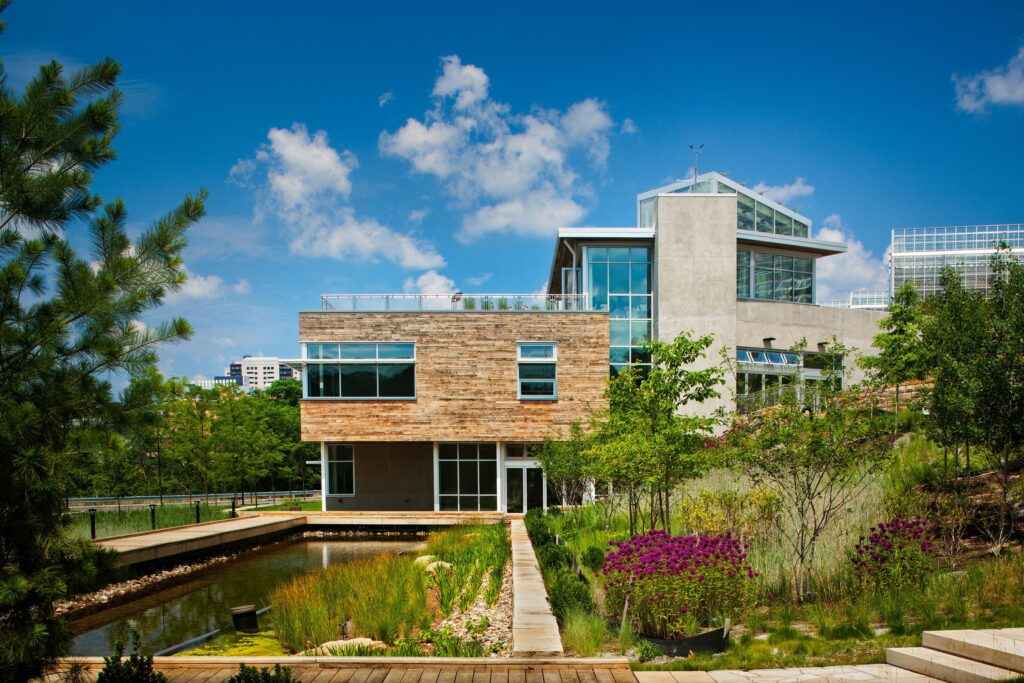
Buildings account for nearly 40% of global carbon emissions. USGBC initiatives provide practical frameworks for reducing these emissions, helping communities meet climate goals.
Reducing Operating Costs for Owners
Property owners often face rising energy and water bills. USGBC-certified strategies cut these costs, making buildings more affordable to operate while preserving resources.
Enhancing Public Health
Poor indoor air quality is linked to health problems such as asthma and fatigue. By emphasizing healthier design, the USGBC helps address public health issues at scale.
Strengthening Community Resilience
USGBC programs encourage resilience planning, including disaster preparedness and resource efficiency. These strategies make buildings and communities better equipped to handle natural disasters and future challenges.
The Global Reach of the US Green Building Council
Though its name highlights the United States, the USGBC has influenced projects in over 180 countries. Its LEED certification has become the gold standard for sustainability worldwide, adopted in regions ranging from Europe to Asia and the Middle East.
By adapting its standards to local contexts, the USGBC demonstrates the universal value of sustainable practices while allowing flexibility for cultural and environmental differences.
The Future of the US Green Building Council
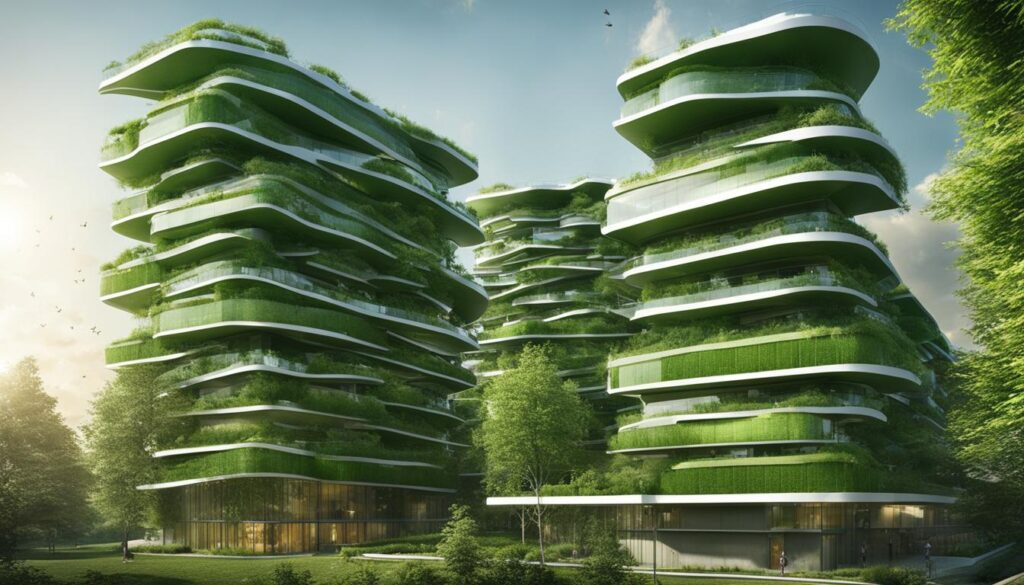
The USGBC continues to evolve by integrating new technologies such as smart building systems, renewable energy innovations, and digital modeling. Its focus is not only on reducing harm but also on regenerative practices that restore ecosystems and improve human lives.
As global awareness of climate change grows, the role of the USGBC will become even more critical. The council’s initiatives are expected to shape sustainable cities, influence international policies, and accelerate the shift toward a net-zero future.
FAQs
1. What is the main role of the US Green Building Council?
The USGBC promotes sustainable building practices by developing certification systems, providing education, and advocating for policies that support environmental responsibility in construction and design.
2. How is the USGBC different from LEED?
The USGBC is the organization that created and manages the LEED program. LEED is one of its core initiatives, providing a framework for certifying green buildings worldwide.
3. Does the US Green Building Council only operate in the United States?
No. While based in the United States, the USGBC has a global impact, with LEED-certified projects in over 180 countries. Its standards have become internationally recognized benchmarks for sustainability.