Sustainable Building Materials: Eco-Friendly Solutions for Modern Construction
Sustainable building materials are revolutionizing the construction industry by offering eco-friendly alternatives to conventional resources. These materials are designed to minimize environmental impact, conserve energy, and promote long-term efficiency. From renewable resources like bamboo to innovative composites such as hempcrete, sustainable building supplies are shaping the future of green construction.
The purpose of using sustainable building materials extends beyond environmental protection. They also enhance human health, improve energy efficiency, and reduce maintenance costs. As global awareness of climate change and resource scarcity grows, demand for these materials has increased significantly, making them a critical part of modern construction practices.
Why Sustainable Building Materials Are Essential Today
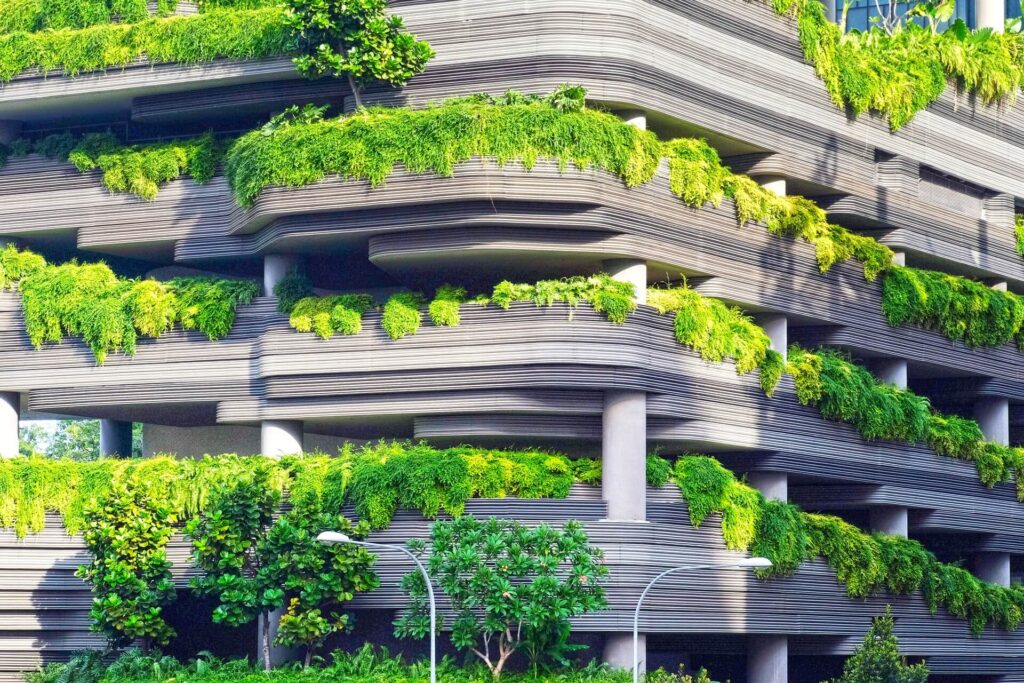
The traditional construction industry has been one of the largest contributors to greenhouse gas emissions. Materials like cement and steel consume massive amounts of energy during production and contribute heavily to carbon footprints. In contrast, sustainable materials are either renewable, recycled, or engineered to have a lower environmental impact.
By adopting sustainable building materials, construction projects can drastically reduce energy consumption, waste, and long-term ecological harm. These materials not only support global climate goals but also enhance the quality and durability of built environments, ensuring benefits for future generations.
The Role of Technology in Sustainable Building Materials
Technology has accelerated the development and application of sustainable materials in construction. Digital modeling software allows architects to simulate energy efficiency before construction begins, optimizing choices of sustainable products. 3D printing with recycled or bio-based materials reduces waste and allows for precision construction, minimizing excess usage.
Additionally, advanced manufacturing methods ensure consistent quality in products like recycled steel or engineered timber. Smart materials, such as phase-change insulation, adapt to temperature changes to reduce energy needs. These technological innovations have made sustainable materials more accessible, reliable, and effective for projects of all sizes.
Real-World Examples of Sustainable Building Materials
Bamboo
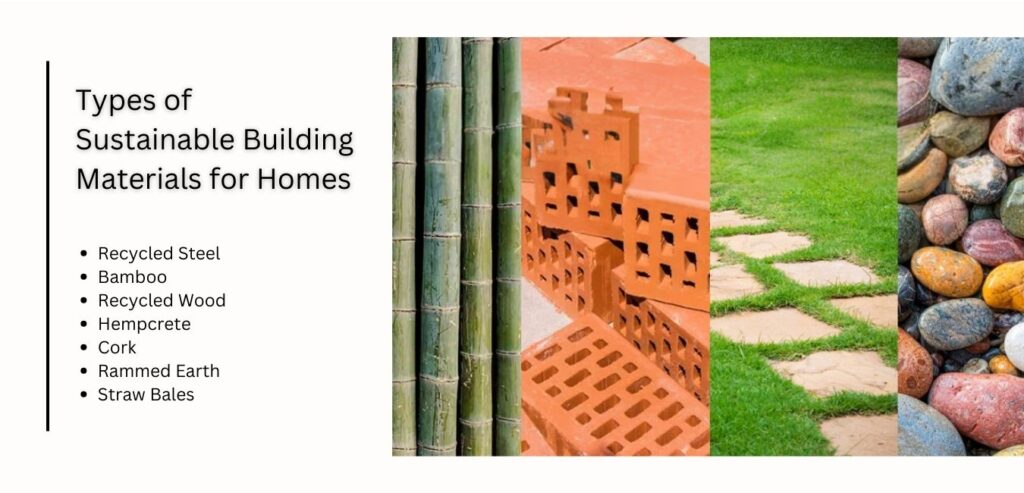
Bamboo is one of the most renewable resources available for construction. Unlike hardwood trees that take decades to mature, bamboo regenerates within a few years, making it highly sustainable. Its tensile strength is comparable to steel, making it suitable for flooring, panels, and even structural support.
In addition to its durability, bamboo has a natural aesthetic that adds warmth and elegance to interiors. Its versatility and rapid renewability have made it a go-to material in sustainable architecture worldwide.
Recycled Steel
Steel production traditionally has a massive carbon footprint, but recycled steel changes the equation. It can be reused indefinitely without losing strength, significantly reducing the demand for virgin mining and high-energy manufacturing. Recycled steel is widely used in framing, roofing, and structural components.
Not only does it reduce environmental impact, but it also offers reliability and flexibility in design. From skyscrapers to residential homes, recycled steel plays a vital role in sustainable construction.
Hempcrete
Hempcrete, a mixture of hemp fibers and lime, is gaining popularity as a lightweight, insulating material. Unlike traditional concrete, hempcrete is carbon-negative, meaning it absorbs more carbon dioxide than it releases throughout its lifecycle. Its ability to regulate humidity and temperature makes it ideal for creating healthier indoor environments.
Builders value hempcrete for its natural insulation, durability, and sustainability. It provides a compelling alternative to concrete, reducing the ecological burden of construction.
Rammed Earth
Rammed earth construction, an ancient method now being revitalized, involves compacting natural earth into dense walls. This technique requires minimal processing and provides excellent thermal mass, which helps regulate indoor temperatures.
Rammed-earth buildings are not only energy-efficient but also incredibly durable. With their rustic, natural appearance, they connect modern architecture with ecological harmony.
Low-VOC Paints
Paint is a critical aspect of indoor environments, yet traditional paints often release harmful volatile organic compounds (VOCs). Low-VOC paints provide a healthier alternative, improving indoor air quality without compromising aesthetics.
These paints come in a wide variety of colors and finishes, ensuring that eco-friendly options meet both design and performance needs. They are an essential part of sustainable building practices, particularly for residential and healthcare projects.
Benefits of Using Sustainable Building Materials
The advantages of sustainable building materials extend far beyond ecological impact. First, they significantly reduce energy consumption during construction and operation. Materials like hempcrete and rammed earth provide natural insulation, cutting down heating and cooling costs.
Second, these materials improve health and comfort. Low-VOC paints and non-toxic finishes reduce allergens and pollutants, creating safer living and working spaces. Lastly, using sustainable materials often increases property value, as buyers and investors increasingly prioritize eco-conscious buildings.
Practical Use Cases of Sustainable Building Materials
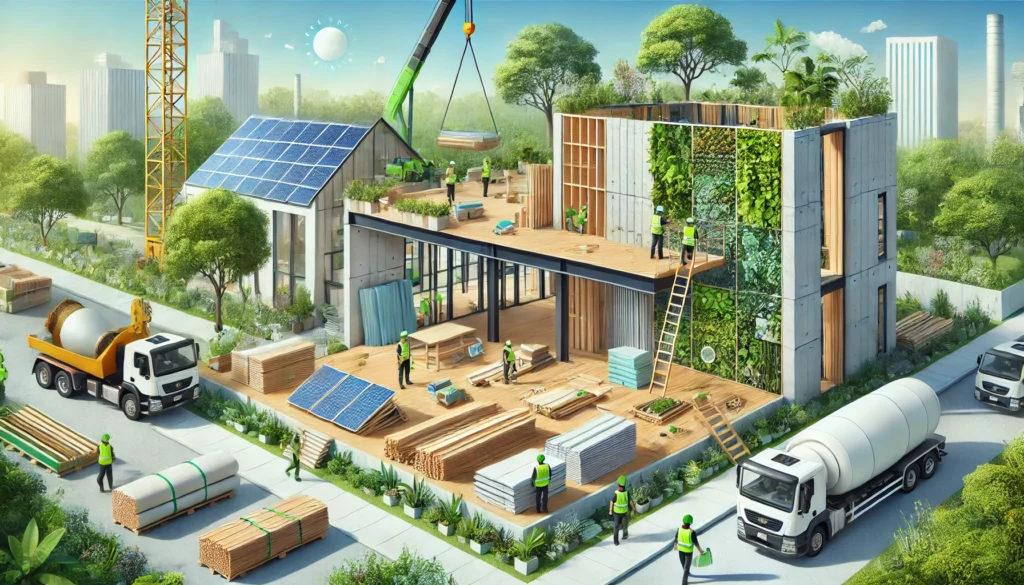
In residential projects, bamboo flooring, hempcrete walls, and low-VOC paints create sustainable homes that are energy-efficient and healthier for occupants. These homes not only lower monthly expenses but also provide long-term durability.
Commercial buildings also benefit significantly. For example, office complexes that integrate recycled steel structures and solar-integrated roofing systems reduce operational costs while boosting corporate sustainability profiles. Public projects, such as schools and community centers, utilize sustainable materials to create safe, eco-friendly environments for larger populations.
Frequently Asked Questions
1. Are sustainable building materials as durable as traditional options?
Yes, many sustainable materials, such as recycled steel and bamboo, are as durable or even more so than traditional options. Their longevity often surpasses conventional materials due to natural resistance and innovative design.
2. Do sustainable building materials cost more?
Some materials may have higher initial costs, but the long-term savings from reduced energy consumption, lower maintenance, and durability typically outweigh the upfront investment.
3. Can sustainable materials be used in large-scale projects?
Absolutely. From residential homes to commercial skyscrapers, sustainable materials like recycled steel and advanced composites are already being applied to projects of all sizes worldwide.