Sun Power: Complete Guide, Benefits, and Real-World Applications of Solar Energy
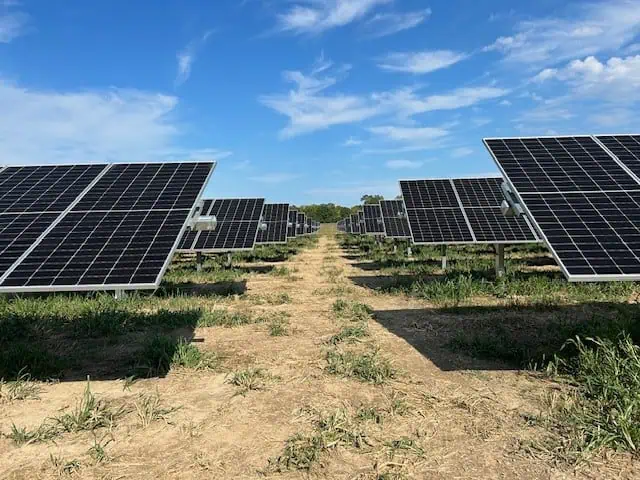
Solar power, often referred to as solar energy, is the harnessing of the sun’s rays to produce electricity or heat. As one of the most abundant renewable energy sources on Earth, solar power has become a cornerstone of modern sustainability practices. Unlike fossil fuels that contribute to greenhouse gas emissions, solar power provides clean and virtually limitless energy.
In recent years, advancements in technology have made solar power more accessible to homes, businesses, and communities. From residential rooftops to utility-scale solar farms, solar power is changing how the world produces and consumes electricity. This shift is not just about reducing costs but about creating long-term energy security and minimizing environmental impact.
How Sun Power Works
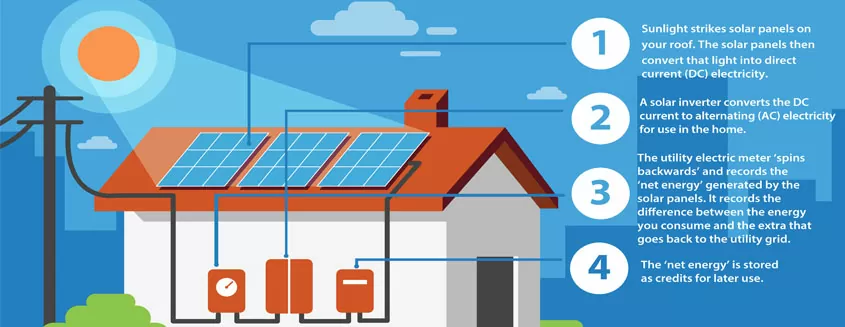
Sun power is captured using photovoltaic (PV) cells or solar thermal systems. Photovoltaic cells convert sunlight directly into electricity by using semiconductors. When photons from sunlight hit the PV cells, electrons are set in motion, generating an electric current that can power appliances, homes, and businesses.
Alternatively, solar thermal systems use the sun’s energy to produce heat. This heat can be used for water heating, space heating, or even industrial processes. The versatility of solar power is one of its most significant advantages, as it can be applied in multiple forms to meet a wide range of energy needs.
Benefits of Sun Power
Clean and Renewable Energy Source
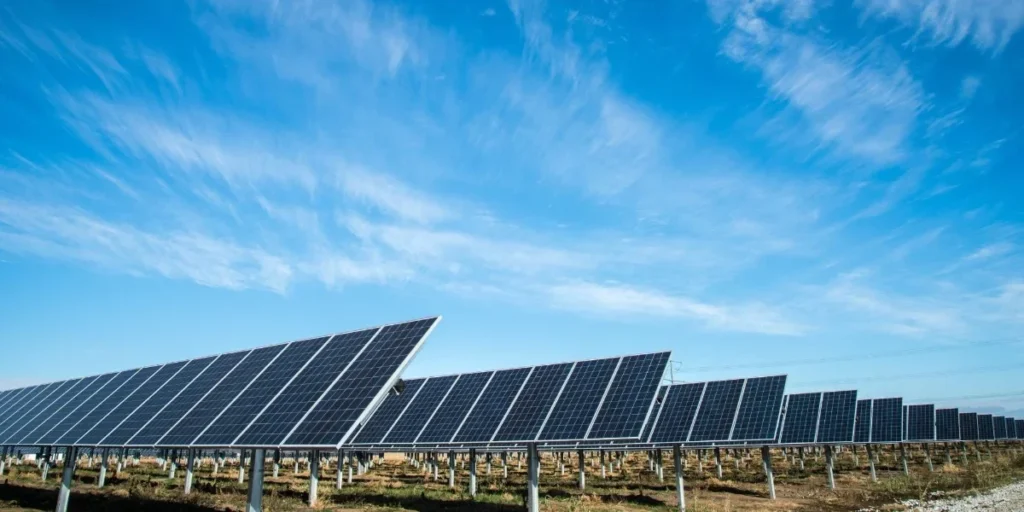
One of the primary benefits of solar power is that it is renewable and sustainable. The sun provides an endless supply of energy, unlike fossil fuels, which are finite and damaging to extract. This makes solar energy a long-term solution for reducing dependence on harmful and limited resources.
By switching to solar power, individuals and communities contribute to reducing greenhouse gas emissions. The environmental benefits extend globally, helping slow the impacts of climate change while promoting cleaner air and healthier ecosystems.
Lower Energy Costs
Solar power reduces reliance on utility companies by allowing users to generate their own electricity. Over time, this leads to significant savings on energy bills. With modern solar technologies, energy can also be stored in batteries for use during nighttime or cloudy days, providing additional financial stability.
In many cases, households and businesses producing excess solar energy can even contribute to the grid. This creates opportunities for energy credits and further strengthens the economic advantage of adopting solar solutions.
Increased Energy Independence
Solar power provides households and businesses with energy independence. By generating electricity on-site, there is less vulnerability to utility rate hikes or supply disruptions. This independence is particularly important in areas prone to blackouts or unstable energy grids.
For communities, widespread adoption of solar power creates resilience against external shocks, whether economic or environmental. It empowers regions to rely more on their own renewable resources instead of imported fossil fuels.
Real-World Examples of Sun Power
Example 1: Residential Solar Power in Arizona
Arizona, known for its sunny climate, has seen widespread adoption of solar power in residential neighborhoods. One particular case involved a family in Phoenix who installed rooftop solar panels capable of powering their entire household. The system not only reduced their monthly utility costs but also provided resilience during frequent summer blackouts.
This example shows how solar power can provide stability and comfort for families living in hot, high-demand regions. It also highlights the efficiency of solar technology in areas with consistent sunlight exposure.
Example 2: Solar-Powered Schools in Kenya
In rural Kenya, many schools lacked access to reliable electricity. A solar initiative introduced solar power systems to classrooms, enabling students to study after sunset with proper lighting. Teachers were also able to use modern technology, such as previously unavailable computers.
This case demonstrates how solar power addresses energy inequality. By bringing electricity to underserved regions, solar systems contribute to education, development, and improved quality of life.
Example 3: Commercial Solar Power in California
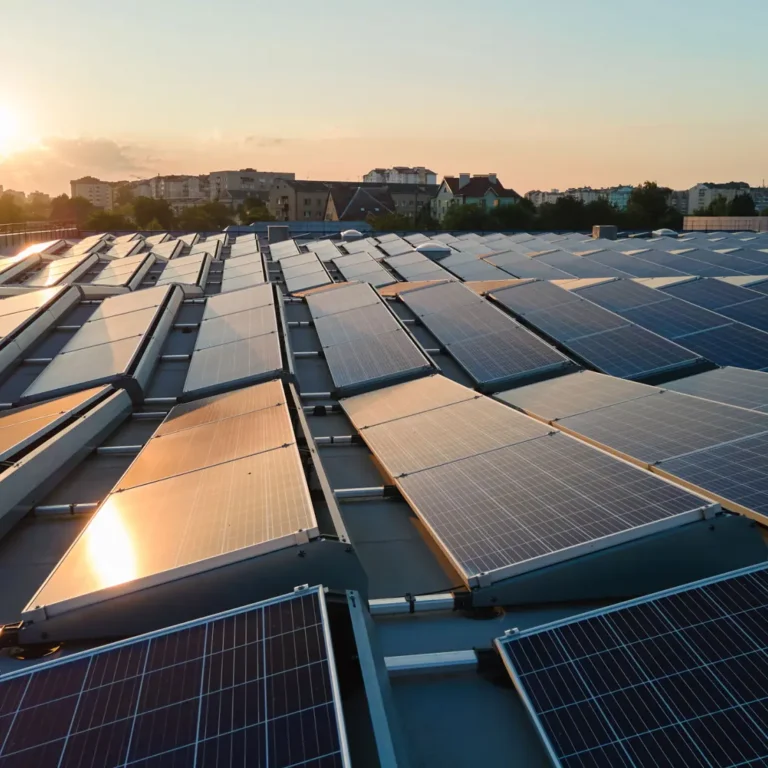
California has been a leader in solar adoption. A well-known commercial example is a large retail chain that installed solar power systems on the rooftops of its stores across the state. The project reduced operating costs significantly while also showcasing the company’s commitment to sustainability.
This demonstrates the scalability of solar power, showing that it is not just for residential use but can benefit businesses by lowering costs, improving brand image, and meeting environmental targets.
Example 4: Solar-Powered Community in Australia
In South Australia, a community project created an entire neighborhood powered almost entirely by solar energy and battery storage. Each home was equipped with rooftop solar panels, and the community was connected through a shared battery system. The project reduced reliance on the traditional grid and minimized carbon emissions.
This example highlights how solar power can be scaled to support collective living, contributing to sustainable community development and climate action.
Practical Use Cases of Solar Power

Off-Grid Living
For individuals living in remote areas, solar power provides an essential source of electricity. It eliminates the need for costly grid extensions and ensures consistent access to power. This is especially valuable for cabins, farms, or remote communities where traditional infrastructure may not reach.
Emergency Backup
Solar power paired with energy storage systems acts as a reliable backup during natural disasters or outages. Homes equipped with solar panels and batteries remain powered while neighboring houses might be left in the dark. This makes solar power a crucial tool in ensuring safety and security.
Sustainable Transportation
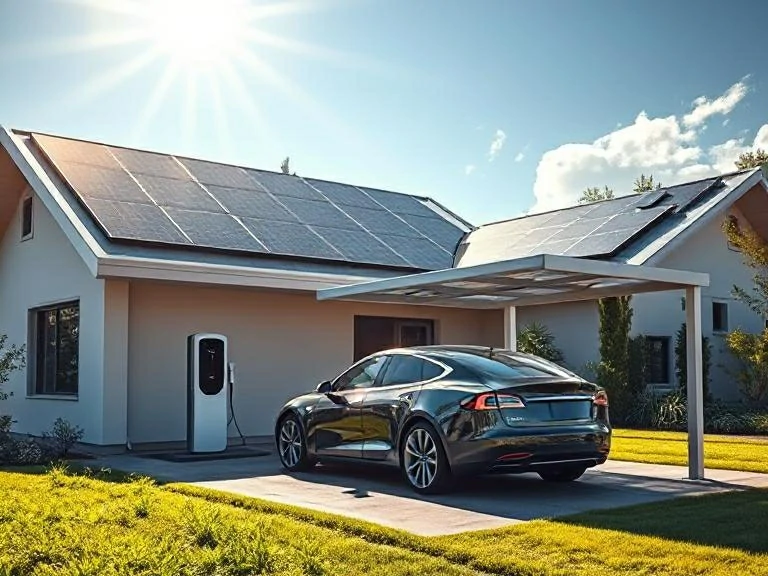
With the rise of electric vehicles (EVs), solar power can play a role in creating a closed-loop system. Homeowners can use solar-generated electricity to charge their EVs, reducing dependence on fossil fuels for transportation. This integration brings sustainable energy into everyday mobility.
Why Sun Power Is Useful in Real-Life Situations
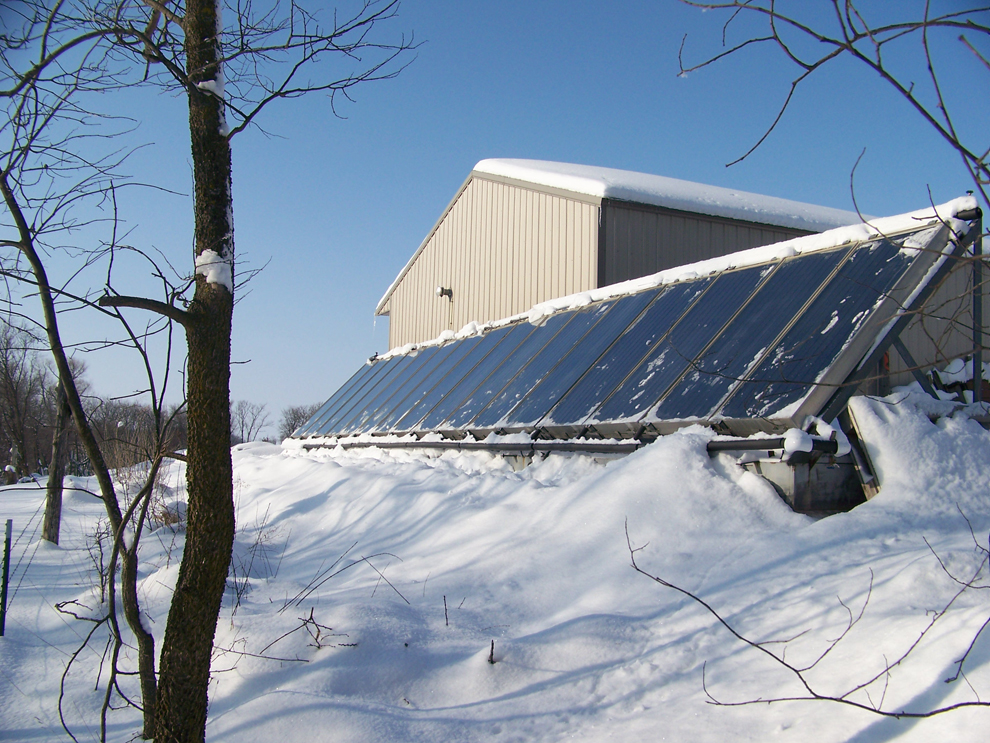
Solar power solves real-world problems by providing affordable, reliable, and clean electricity. It helps households reduce energy costs, ensures consistent power during outages, and supports global sustainability goals. For businesses, it offers a competitive advantage by lowering operational expenses and aligning with green initiatives.
In rural or underdeveloped regions, solar power has transformative effects. It brings light, education, and economic opportunities where traditional power systems are absent or unreliable. This demonstrates the universal applicability of solar energy in improving lives globally.
Frequently Asked Questions
1. Is solar power reliable during cloudy or rainy days?
Yes. While solar systems generate less electricity during cloudy or rainy days, modern technologies and battery storage ensure a consistent power supply. Excess energy produced on sunny days can be stored and used later.
2. Can solar power support large-scale industries?
Absolutely. Solar power has already been adopted by commercial and industrial facilities worldwide. Large solar farms can generate electricity at scale, supporting factories, offices, and even entire communities.
3. What makes solar power better than fossil fuels?
Solar power is renewable, clean, and sustainable. Unlike fossil fuels, it does not release harmful emissions and is not subject to depletion. This makes it a safer and more environmentally responsible energy source for the future.