Solar Panels for Home: Complete Guide to Costs, Benefits, and Real-World Examples
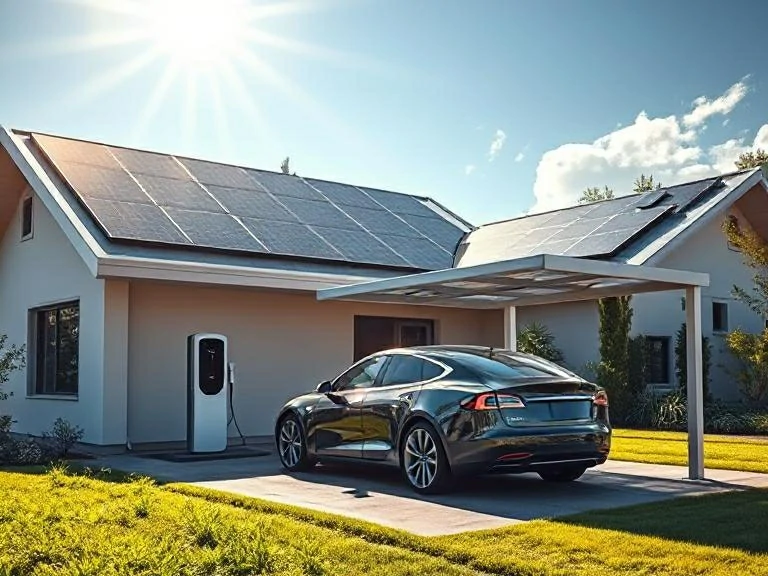
Solar panels for home have become a transformative solution for homeowners seeking cost savings, sustainability, and energy independence. Rising electricity prices and environmental concerns have accelerated the adoption of solar technology in residential properties. Unlike decades ago, when solar was considered a niche or luxury investment, today it is accessible and practical for millions of households around the world.
Understanding solar panels for the home goes beyond recognizing their environmental benefits. Homeowners need to know how these systems work, the types available, the benefits they provide, and how real-world examples demonstrate their practicality. This guide offers an in-depth look into all aspects of home solar systems to help you see why they are a game-changing investment.
How Solar Panels for Home Work
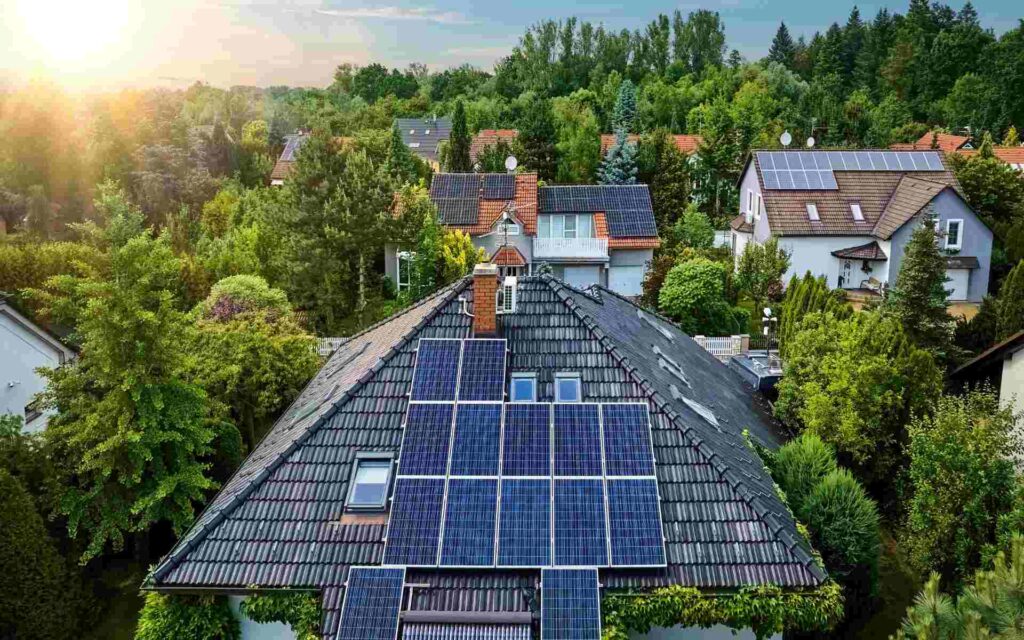
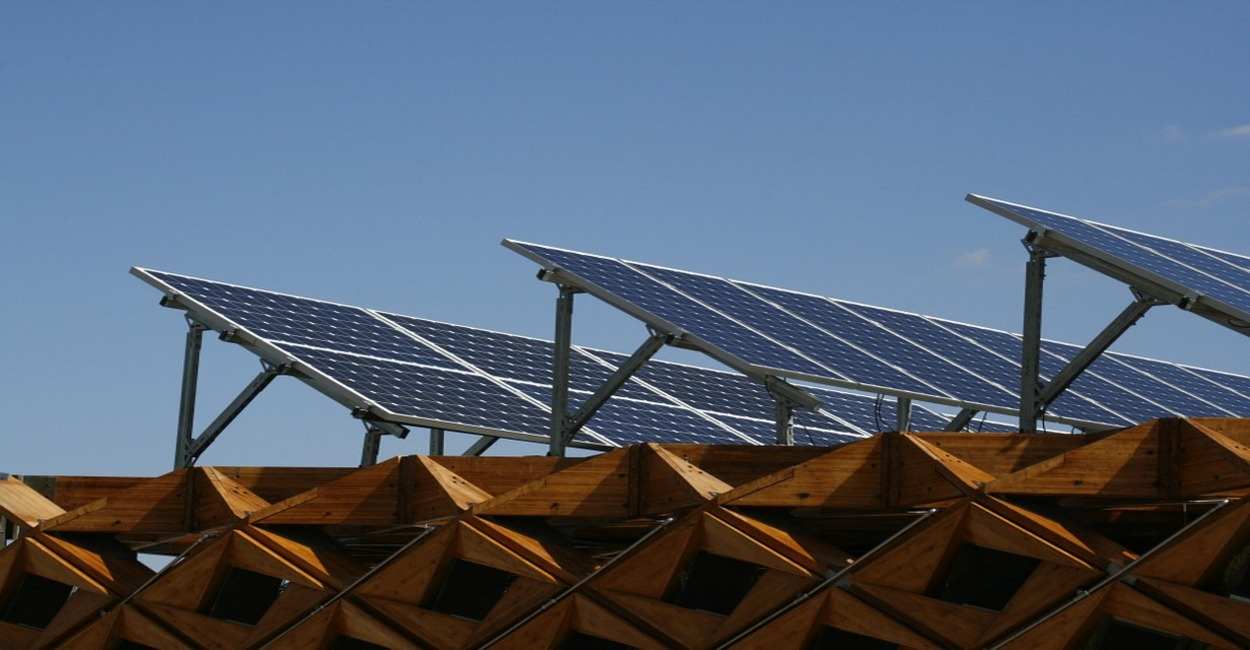
At the heart of solar panels are photovoltaic (PV) cells, which capture sunlight and convert it into direct current (DC) electricity. Since homes use alternating current (AC), the system includes an inverter to make the power usable. Once converted, the electricity can run appliances, lighting, heating, and other household systems.
Home solar systems come in two major categories: grid-tied and off-grid. Grid-tied systems connect to the local power network, allowing excess energy to be sent back for credits through net metering. Off-grid systems use batteries to store energy, making them ideal for remote areas where access to a grid is limited. Many homeowners choose hybrid systems, combining both benefits for flexibility and resilience.
Benefits of Solar Panels for the Home
One of the most well-known benefits is long-term cost savings. While the upfront investment may appear significant, solar panels can reduce or even eliminate monthly electricity bills. Over time, the savings often exceed the installation cost, turning solar into an investment rather than an expense.
Another major advantage is environmental impact. By generating clean electricity, solar panels help reduce reliance on fossil fuels, cutting down greenhouse gas emissions. This contribution supports global efforts to combat climate change while giving homeowners a sense of responsibility and pride.
A third benefit is property value appreciation. Homes equipped with solar systems are often more attractive to buyers, as they promise lower energy costs and eco-friendly credentials. Many studies show that houses with solar sell faster and at higher prices than those without renewable systems.
Real-World Examples of Solar Panels for Home
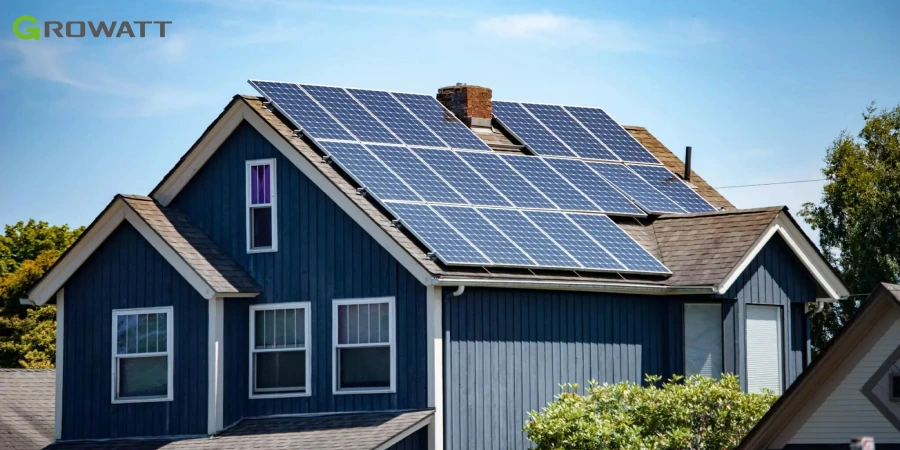
Tesla Solar Roof
Tesla Solar Roof is a revolutionary product that integrates solar technology into roof tiles. Instead of mounting visible panels, the tiles themselves capture solar energy while blending seamlessly with the home’s architecture. This design-centric approach solves the problem of aesthetics while delivering energy efficiency.
The relevance of Tesla Solar Roof is its ability to merge beauty and function. For homeowners who value style as much as sustainability, it eliminates the trade-off between performance and appearance. It also represents the future of solar integration, where renewable energy becomes part of everyday design.
SunPower Maxeon Solar Panels
SunPower is known for its industry-leading efficiency. The Maxeon panels are designed to produce more power in less space, making them ideal for homes with limited roof area. Their longevity and resistance to degradation mean that homeowners can rely on them for decades of steady performance.
The relevance of SunPower lies in maximizing energy production. For households with high electricity demands but restricted installation space, these panels ensure optimal use of every square foot. Their long lifespan also provides financial predictability and security for families.
LG NeON R Solar Panels
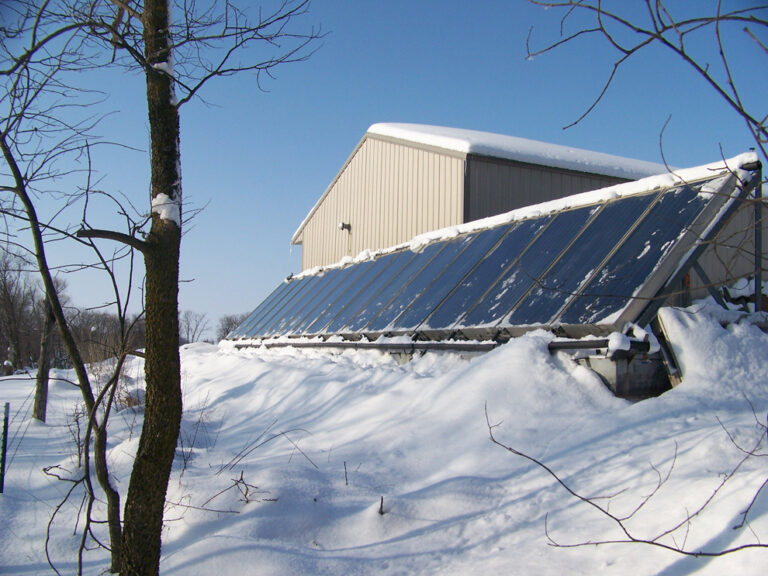
LG NeON R panels are engineered for strength and durability, performing exceptionally well under diverse conditions. They are resistant to weather extremes, making them suitable for regions prone to storms, heat, or heavy snowfall. Their design ensures consistent electricity output, even under challenging conditions.
The relevance of LG NeON R panels is resilience. Homeowners in unpredictable climates need reliable systems that withstand environmental stress. These panels deliver confidence and stability, ensuring families always have access to renewable power.
Canadian Solar Residential Panels
Canadian Solar is recognized for offering high-quality panels at affordable prices. Their products strike a balance between performance and budget, making them popular among first-time solar users. Despite their cost advantage, they provide steady, long-term output, making them a practical choice for mainstream adoption.
The relevance of Canadian Solar lies in accessibility. By lowering the financial entry point, they allow more households to embrace renewable energy without sacrificing reliability. This helps expand solar adoption in regions where cost remains a barrier.
Panasonic HIT Solar Panels
Panasonic HIT solar panels are designed to excel in high-temperature environments. Unlike some panels that lose efficiency under intense heat, HIT technology maintains strong output, making them particularly useful in tropical and desert climates.
The relevance of Panasonic HIT panels is their specialized performance in hot regions. Homeowners in areas with constant sunshine benefit from consistent energy production, avoiding efficiency drops common with other solar systems.
Practical Benefits of Solar Panels for Home

Beyond cost and environmental savings, solar panels provide energy independence. Households are no longer fully reliant on utility companies, giving them control over their energy sources. This independence can be life-changing in areas where grids are unreliable.
Another practical advantage is predictable expenses. Unlike fluctuating electricity rates, solar panels provide stable, foreseeable costs over decades. Homeowners can better manage their budgets, knowing a major portion of their energy demand is already covered.
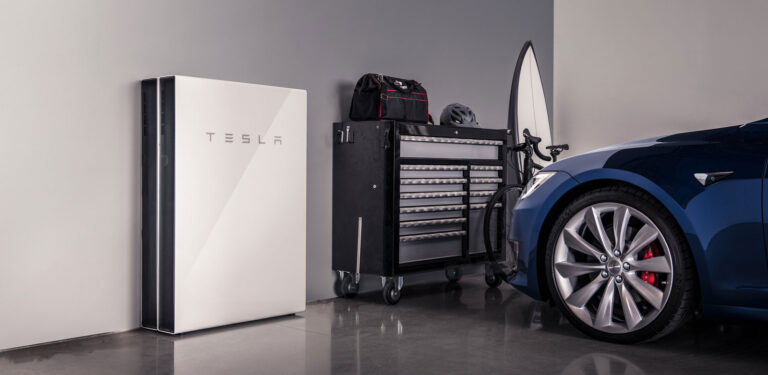
Additionally, pairing solar panels with storage batteries enhances resilience. During outages, families can still run essential appliances like refrigerators, lighting, and medical equipment. This makes solar not only a cost-saving measure but also a safeguard for household security.
Use Cases: Problems Solar Panels for Home Can Solve
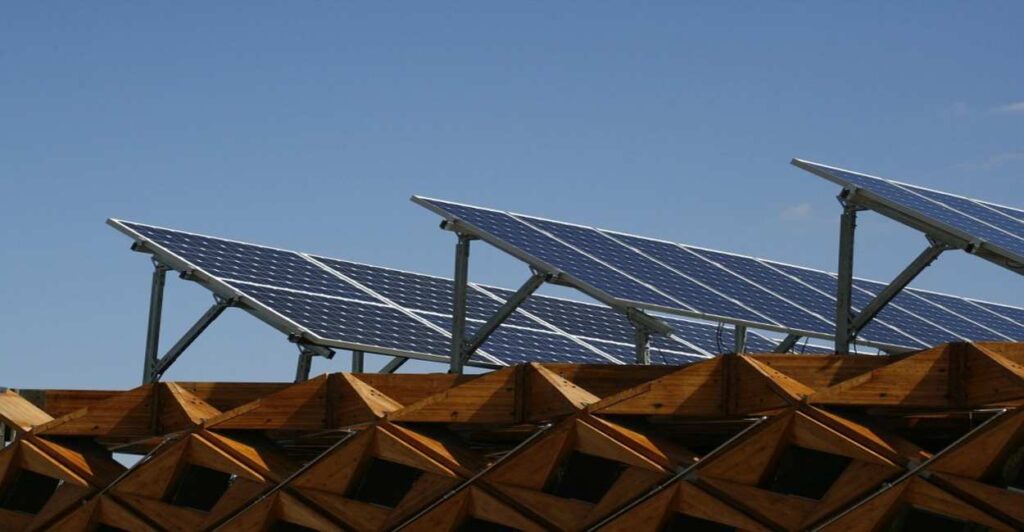
For urban households, solar panels address the problem of rising energy bills. By generating their own power, they reduce dependence on expensive electricity suppliers.
In rural or remote areas, solar panels solve the issue of limited grid access. Rather than waiting for infrastructure expansion, households can achieve full energy independence with solar systems.
For eco-conscious families, solar panels directly tackle the problem of carbon emissions. They provide a practical way to live sustainably without giving up modern comfort.
In disaster-prone regions, solar systems paired with batteries solve the issue of unreliable grids. Even during blackouts, essential household needs can be met, providing peace of mind.
Challenges and Future Outlook of Solar Panels for Home
While solar panels offer numerous advantages, they also face challenges. High upfront costs remain a barrier for some families, though long-term savings balance this over time. Installation depends heavily on roof orientation and available sunlight, limiting its practicality for certain homes.
Looking ahead, the future is promising. Technological innovations are driving costs down and efficiency up. Integrated systems like solar tiles and improved batteries are transforming residential solar into a mainstream solution. As adoption continues to grow, solar panels will play an increasingly central role in sustainable home living.
Frequently Asked Questions
1. How many solar panels are needed to power a home?
The number depends on household energy use and local sunlight availability. On average, a medium-sized home may require 15–25 panels to cover most of its electricity demand.
2. Do solar panels work in winter or cloudy weather?
Yes, solar panels still produce electricity during winter or on cloudy days, though at reduced efficiency. Modern panels are designed to capture diffuse sunlight, ensuring consistent power generation.
3. How long do solar panels for the home last?
Most panels last 25–30 years, gradually losing efficiency but continuing to produce electricity. With proper care and maintenance, many systems exceed their expected lifespan.