Solar Energy: Complete Guide to Technology, Benefits, and Real-World Applications
Solar energy is one of the most powerful and abundant sources of renewable energy available on Earth. Every hour, the sun provides enough energy to power the planet for an entire year if captured efficiently. Harnessing this resource has become central to modern sustainability efforts, as it offers a clean, reliable, and cost-effective alternative to fossil fuels.
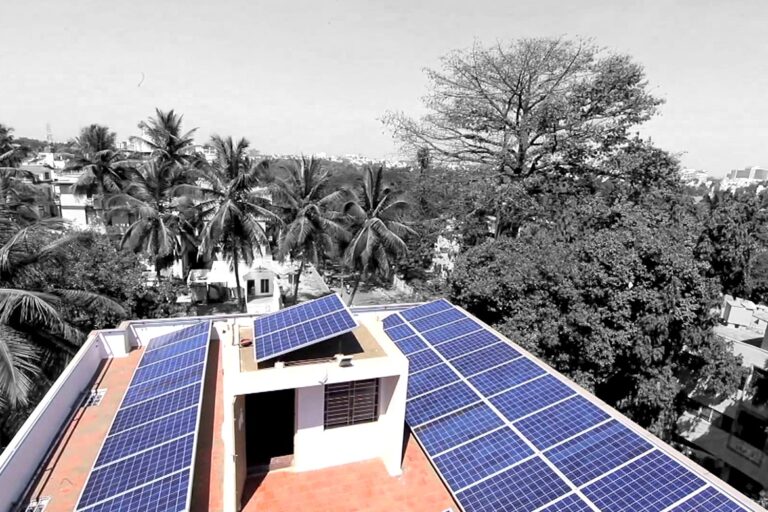
Over the last few decades, solar has moved from a niche technology to a mainstream solution used in homes, businesses, and industries. From small rooftop systems to large-scale solar farms, the applications of solar power are vast and growing. This article explores solar technology, its benefits, real-world examples, and how it solves practical problems in everyday life.
Understanding Solar Technology
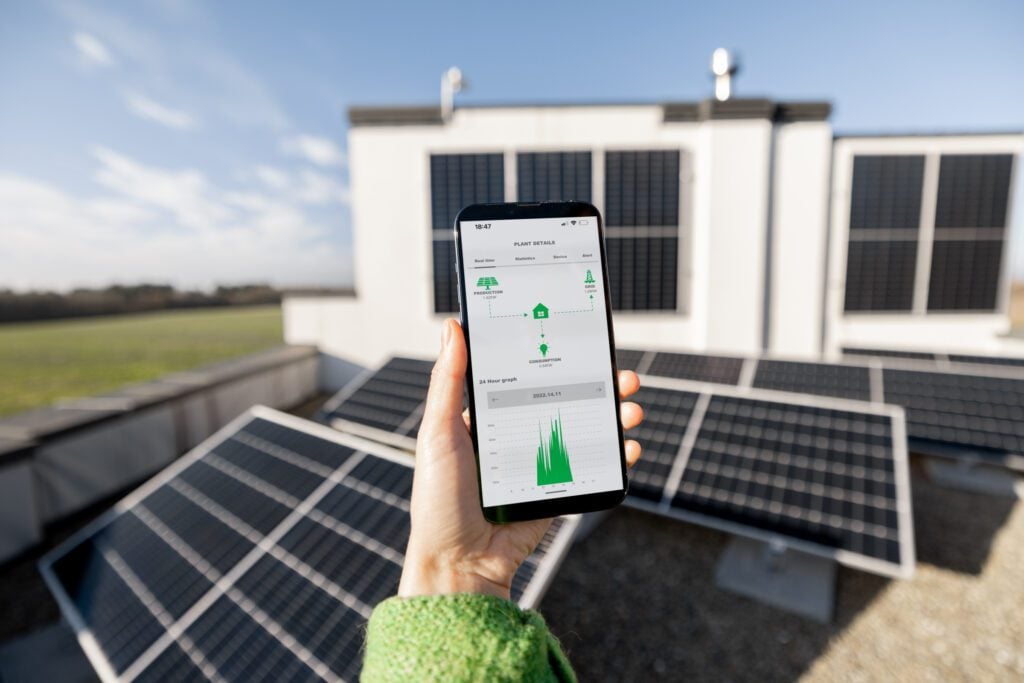
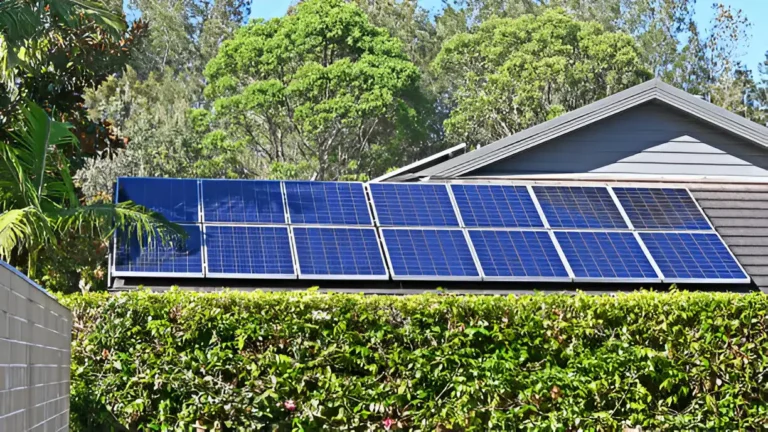
Solar energy can be captured and converted into electricity or heat using different technologies. The most common method involves photovoltaic (PV) panels, which convert sunlight into electricity. These panels contain semiconductor materials that release electrons when exposed to sunlight, generating an electric current.
Another method is concentrated solar power (CSP), which uses mirrors or lenses to concentrate sunlight onto a small area to produce heat. This heat is then used to generate steam, which drives turbines to produce electricity. CSP is often used in utility-scale projects.
Beyond electricity, solar can also be harnessed for thermal applications. Solar water heaters, for instance, use sunlight to directly heat water for residential or industrial use. These varied technologies show how versatile solar energy has become in addressing global energy needs.
Benefits of Solar Technology
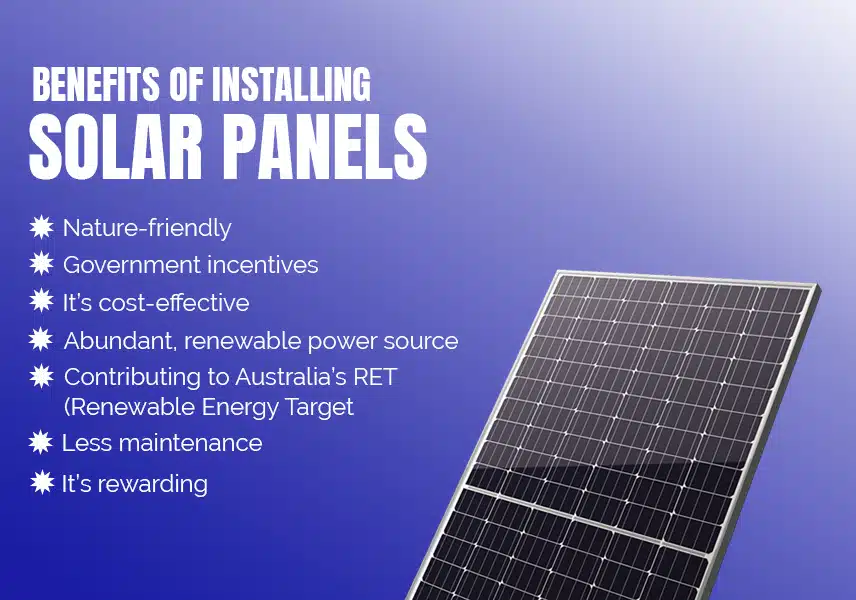
The most significant benefit of solar energy is its renewable and sustainable nature. Unlike fossil fuels, solar power does not deplete natural resources or release harmful greenhouse gases. This makes it a cornerstone of efforts to combat climate change.
Another benefit is energy independence. Solar allows households, businesses, and even nations to reduce dependence on imported fuels. By producing energy locally, communities gain greater control over their energy future.
Solar also provides long-term economic advantages. While installation costs can be high, maintenance is relatively low, and the system pays for itself through savings on energy bills. Additionally, technological advancements continue to lower costs and improve efficiency, making solar more accessible every year.
Real-World Examples of Solar Technology
Tesla Solar Roof
Tesla’s Solar Roof represents a new way to think about solar technology. Instead of adding panels on top of a roof, it integrates solar cells into roof tiles. This approach combines functionality with aesthetics, allowing homeowners to power their homes without compromising on design.
The relevance of Tesla Solar Roof is its innovation in blending sustainability with architectural beauty. It demonstrates how solar can evolve beyond utility to become an integrated lifestyle feature, making it attractive for design-conscious homeowners.
SunPower Maxeon Solar Panels
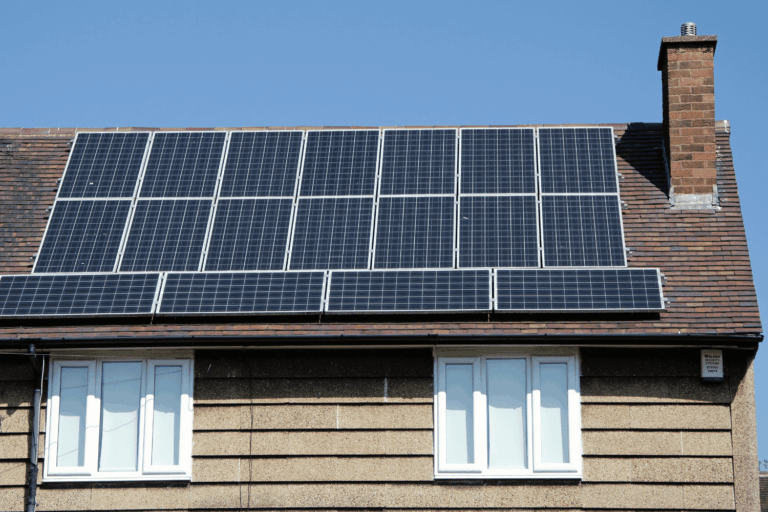
SunPower is known for producing some of the most efficient solar panels available. Their Maxeon line is built to deliver maximum energy output in limited space, making it ideal for urban homes with smaller rooftops. They are also designed for longevity, maintaining strong performance for decades.
The relevance of SunPower Maxeon panels lies in efficiency and reliability. They provide a practical solution for homeowners who need to maximize output with limited installation area, ensuring energy savings even in space-constrained environments.
First Solar Thin-Film Panels
First Solar manufactures thin-film solar panels that are lighter and perform well in hot climates. Unlike traditional silicon panels, thin-film technology allows greater flexibility and often performs better under high temperatures and low-light conditions.
The relevance of First Solar thin-film panels is adaptability. They are especially useful in regions with extreme heat or variable light, offering steady performance where traditional panels may struggle. This makes them valuable for large-scale installations in challenging environments.
Solar Water Heating Systems
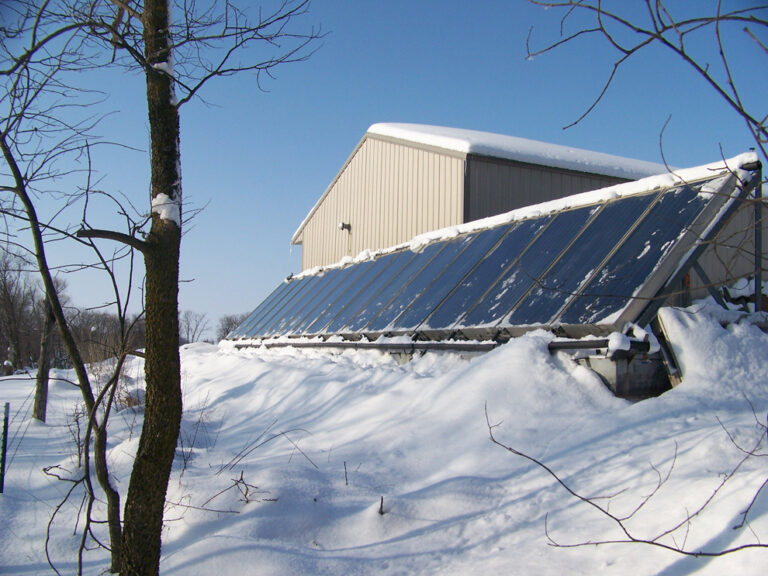
Not all solar applications focus on electricity. Solar water heating systems use sunlight to directly heat water, reducing the need for gas or electric heaters. This simple yet effective technology is widely used in residential, commercial, and industrial settings.
The relevance of solar water heating lies in its practicality. By addressing one of the most common household energy needs, it offers a cost-saving, efficient, and environmentally friendly solution. It also reduces strain on electricity grids during peak usage times.
Solar-Powered Street Lights
Solar-powered street lights use PV panels and batteries to provide outdoor lighting without relying on grid power. They are particularly effective in rural or remote areas where extending electrical infrastructure is costly.
The relevance of solar-powered street lights is accessibility. They provide a safe, sustainable lighting solution for communities that might otherwise remain in darkness. They also reduce municipal energy expenses, making them popular in urban planning projects.
Practical Benefits of Solar in Daily Life
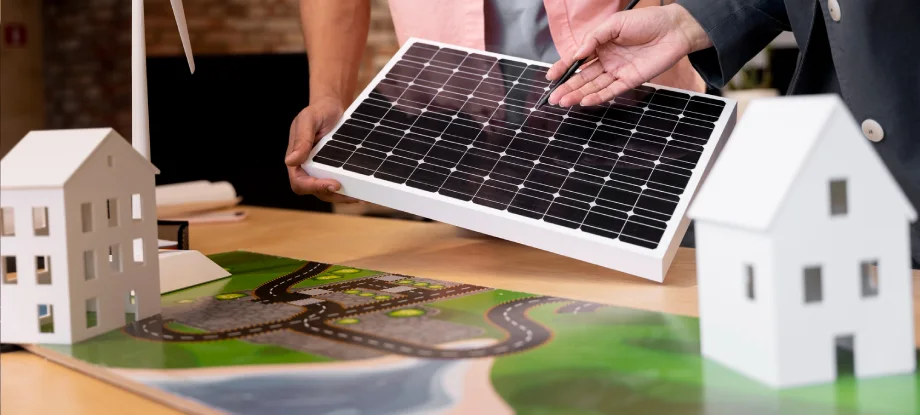
Solar energy impacts daily life in ways that go beyond cost savings. For households, solar provides consistent and reliable electricity, especially when paired with battery storage. This means families can continue using essential appliances during outages.
For businesses, solar lowers operational costs and improves sustainability credentials, which is increasingly important to environmentally conscious customers. For governments, solar reduces strain on national grids, enhances energy security, and supports climate action commitments.
Another practical benefit is decentralization of energy production. By generating power locally, solar reduces reliance on large, centralized plants. This not only improves resilience but also minimizes energy loss that occurs during long-distance transmission.
Use Cases: Problems Solar Solves
Solar addresses the problem of rising energy costs. By generating their own electricity, households and businesses reduce dependence on fluctuating utility prices.
It also solves the issue of limited energy access. In many parts of the world, extending power grids is costly and impractical. Solar allows communities to generate electricity locally, improving the quality of life and supporting development.
Another problem solar tackles is environmental degradation. Fossil fuels are a major source of pollution, but solar provides a clean, renewable alternative. This makes it a crucial tool in reducing global carbon emissions.
Finally, solar helps solve the problem of unreliable power supply. In areas prone to outages or natural disasters, solar systems paired with storage can ensure uninterrupted electricity for critical needs.
Challenges and Future of Solar
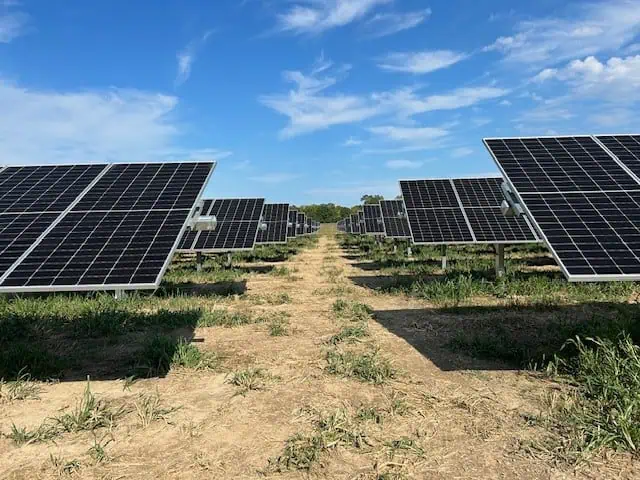
Despite its many advantages, solar faces challenges. The initial cost of installation can still be high for some households. Efficiency is also dependent on weather and sunlight availability, making it less effective in certain climates without backup solutions.
Looking ahead, the future of solar is bright. Research continues to improve efficiency, lower costs, and develop new applications such as solar windows and building-integrated photovoltaics. With growing global demand for clean energy, solar is expected to play a leading role in the transition to a sustainable future.
Frequently Asked Questions
1. Does solar work at night?
No, solar panels do not produce electricity at night. However, energy generated during the day can be stored in batteries for nighttime use or supplemented by grid electricity.
2. How long do solar panels last?
Most solar panels last between 25 and 30 years. Over time, their efficiency gradually decreases, but they continue producing electricity at reduced levels beyond their expected lifespan.
3. Is solar suitable for all climates?
Yes, solar can work in various climates, though performance may vary. Panels still generate electricity on cloudy days, and certain technologies, like thin-film panels, perform better in high-heat environments.