Smart Thermostat: Complete Guide to Features, Benefits, and Real-World Use Cases for Energy-Efficient Living
A smart thermostat is one of the most impactful innovations in the smart home industry, reshaping the way people manage indoor comfort and energy use. Unlike traditional thermostats, which require manual adjustments, smart thermostats use automation, artificial intelligence, and connectivity to create an efficient, personalized climate control system.
By connecting to Wi-Fi and mobile apps, these devices give homeowners control over heating and cooling systems anytime, anywhere. This makes them not only a tool for comfort but also a critical component in achieving long-term energy savings.
What is a Smart Thermostat?
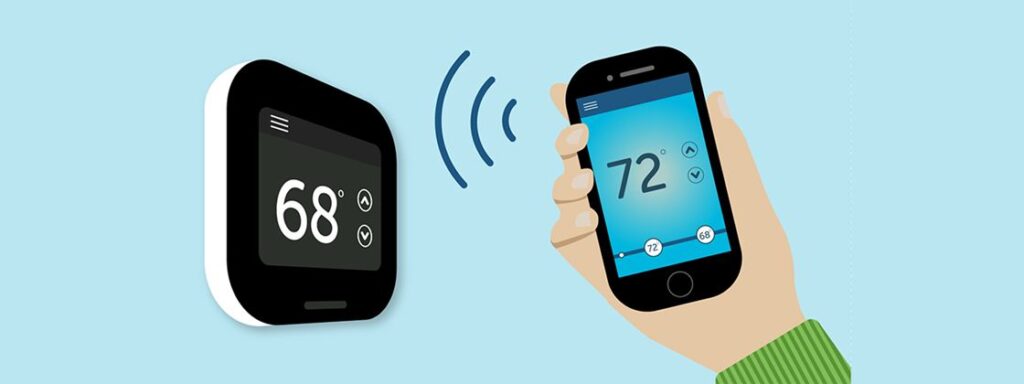
A smart thermostat is a device designed to regulate home temperature automatically by learning habits, preferences, and schedules. It goes beyond simple manual controls, using data and sensors to optimize heating and cooling.
These thermostats can be controlled through smartphones, voice assistants like Google Assistant or Alexa, and other smart home platforms. By integrating with wider ecosystems, they serve as central tools in creating energy-efficient and convenient living environments.
Key Features of Smart Thermostats
Learning and Adaptive Technology
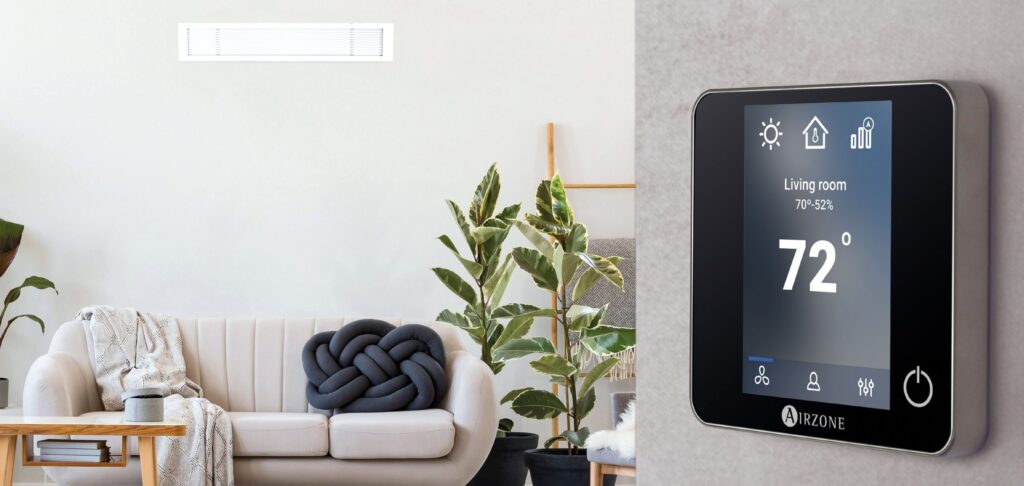
One of the standout features of smart thermostats is their ability to learn from user behavior. Over time, they adapt to your schedule by automatically adjusting temperatures when you are at home, away, or asleep. This reduces unnecessary energy use without requiring constant manual input.
Adaptive learning creates a personalized experience that balances comfort with efficiency. The thermostat becomes smarter the longer it operates in your household.
Remote Access and Mobile Control
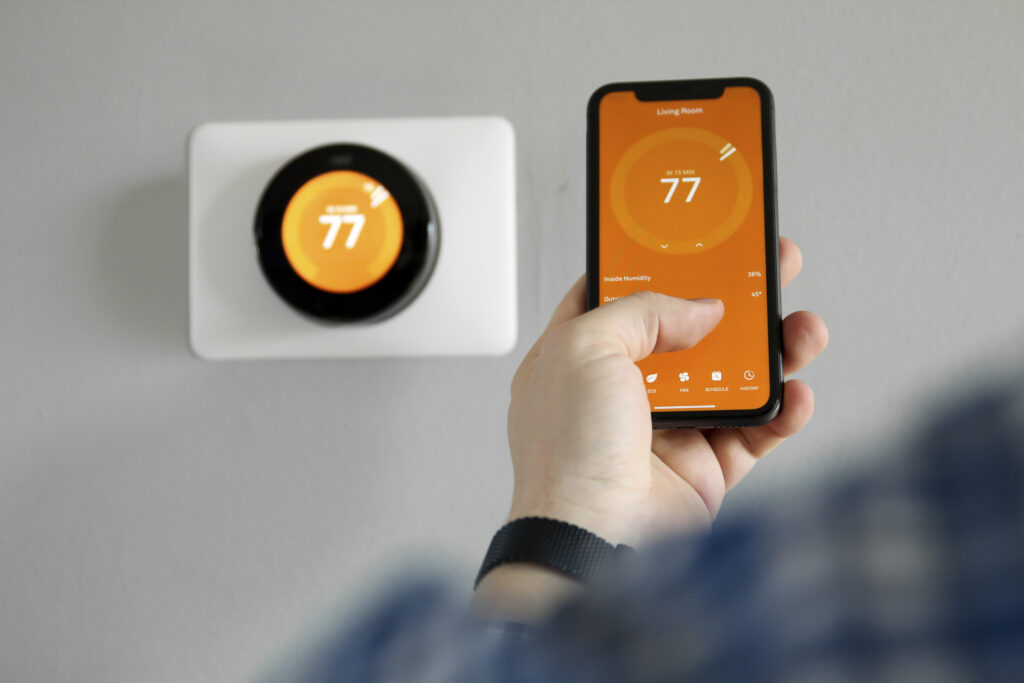
Smart thermostats connect to dedicated apps, enabling remote control from anywhere. This is especially useful for people with irregular schedules or frequent travelers who want to ensure the house is at the right temperature before they arrive.
Remote access allows you to make instant adjustments, check energy usage reports, and receive notifications if issues arise. This makes home climate management more flexible and responsive.
Integration with Smart Home Ecosystems
Smart thermostats are designed to work seamlessly with other smart devices, from speakers and lights to security systems. Through platforms like Google Home, Amazon Alexa, or Apple HomeKit, they can respond to voice commands and create automation routines.
For example, you can set up a routine where your thermostat lowers the temperature when you lock the smart door at night, combining convenience with energy efficiency.
Benefits of Using Smart Thermostats
Significant Energy Savings
One of the most important benefits of smart thermostats is energy efficiency. By learning your habits, detecting when no one is home, and adjusting temperatures accordingly, they reduce unnecessary heating and cooling. This translates to lower utility bills and long-term financial savings.
Many households report noticeable reductions in energy consumption within the first year of using a smart thermostat, making it both an eco-friendly and cost-effective solution.
Enhanced Comfort and Convenience
Smart thermostats optimize indoor comfort by maintaining consistent and personalized temperatures. They can pre-heat or pre-cool your home before you arrive, ensuring the perfect environment without waiting.
The convenience of voice commands and remote access also makes it easier than ever to manage your home’s climate, even when you’re not physically present.
Environmental Sustainability
By reducing energy waste, smart thermostats contribute to a lower carbon footprint. They are a practical step toward sustainable living, aligning with growing efforts to conserve energy and protect the environment.
For eco-conscious households, this technology provides a measurable impact by combining daily comfort with environmental responsibility.
Real-World Examples of Smart Thermostats
Google Nest Learning Thermostat
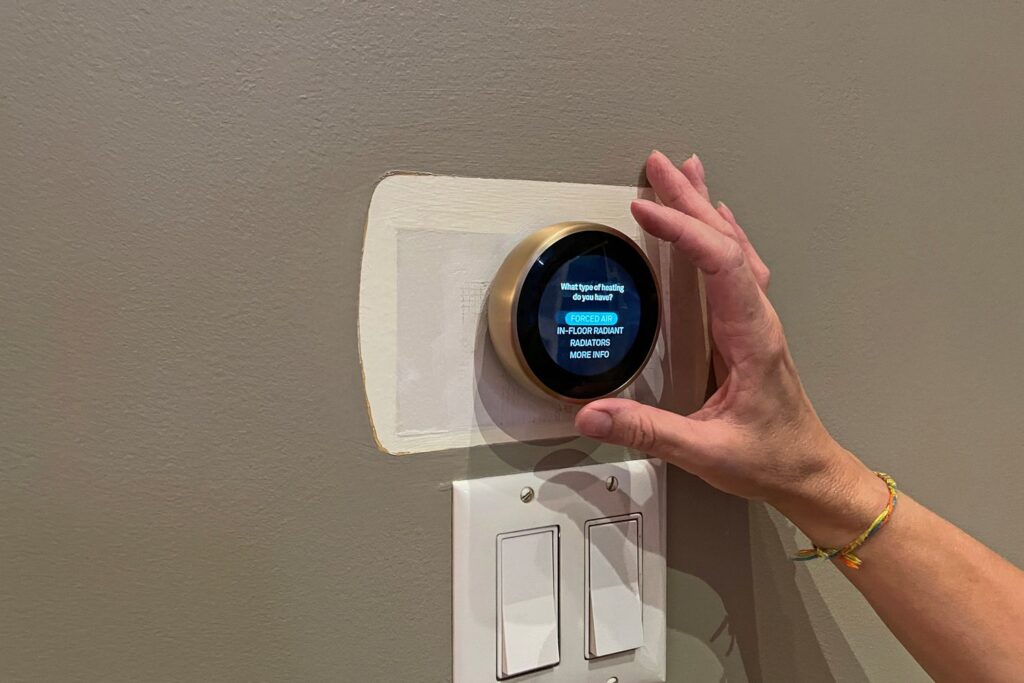
The Google Nest Learning Thermostat is one of the most recognized models in the market. It uses machine learning to study your daily routines and automatically create schedules that balance comfort and energy efficiency.
This device integrates with Google Assistant and other smart devices, allowing for seamless control and automation. Its sleek design and energy reports make it both functional and user-friendly, appealing to tech-savvy and environmentally conscious homeowners alike.
Ecobee SmartThermostat with Voice Control
The Ecobee SmartThermostat stands out with built-in Alexa support, making it both a thermostat and a voice assistant. It includes remote sensors that detect occupancy and temperature variations in different rooms, ensuring consistent comfort across the entire home.
Its smart home compatibility is broad, integrating with Apple HomeKit, Google Assistant, and Samsung SmartThings. This makes it a flexible solution for households with diverse smart ecosystems.
Honeywell Home T9 Smart Thermostat
The Honeywell Home T9 is designed for families who want room-by-room temperature control. It uses smart sensors to identify which rooms are occupied and adjusts heating or cooling accordingly.
This feature makes it particularly useful for large households where not every room is in constant use. The result is targeted comfort and reduced energy waste, adapting to dynamic family lifestyles.
Amazon Smart Thermostat
Developed with energy efficiency in mind, the Amazon Smart Thermostat is a cost-effective option that integrates seamlessly with Alexa. While simpler than premium models, it still delivers core smart features such as scheduling, remote access, and energy usage tracking.
This thermostat is well-suited for homeowners looking for an affordable entry point into smart home technology without compromising functionality.
Practical Use Cases for Smart Thermostats
Managing Energy While Traveling
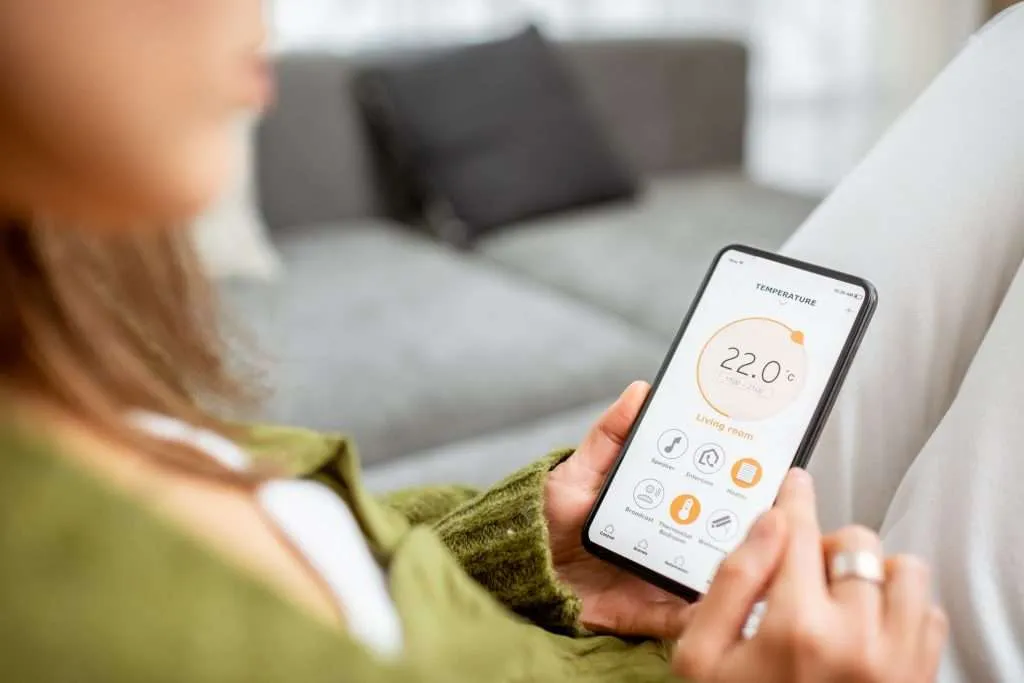
For frequent travelers, smart thermostats provide the ability to manage home climate from anywhere in the world. You can set the thermostat to reduce heating or cooling while away and restore comfortable temperatures before returning home.
This use case reduces unnecessary energy expenses while ensuring the home is always comfortable upon arrival.
Optimizing Comfort in Large Homes
In larger houses, maintaining consistent comfort across different rooms can be challenging. Smart thermostats with remote sensors, such as Ecobee or Honeywell models, adjust temperatures based on occupancy and usage.
This targeted climate control improves comfort while preventing energy waste in unused rooms, making it ideal for families with dynamic schedules.
Supporting Green Living Goals
Eco-conscious individuals can use smart thermostats to track and minimize energy consumption. Many devices provide detailed reports and insights that highlight opportunities for further efficiency.
By aligning with renewable energy use or time-of-use energy pricing, smart thermostats contribute to broader sustainability goals without compromising daily comfort.
Helping Families with Variable Schedules
In households where family members come and go at different times, smart thermostats automatically adjust to match these patterns. Instead of running the system all day, it responds dynamically to occupancy, reducing waste while ensuring comfort when needed.
This makes it particularly useful for busy families juggling work, school, and activities.
Why Smart Thermostats Are Useful in Real Life
Smart thermostats address common household challenges: inconsistent comfort, high energy bills, and the need for more sustainable living. By combining automation, AI, and smart integrations, they make climate management simple and efficient.
They save homeowners money, reduce carbon footprints, and improve daily convenience. Their adaptability makes them relevant across different lifestyles, from single professionals to large families, proving their practical value in modern living.
Frequently Asked Questions
1. Do smart thermostats work with all HVAC systems?
Most smart thermostats are compatible with common HVAC systems, but compatibility depends on the specific model and wiring in your home. It’s important to check requirements before installation to ensure seamless operation.
2. Can a smart thermostat really save money?
Yes, smart thermostats reduce energy waste by learning user habits and automatically adjusting settings. Many households report significant savings on heating and cooling bills within the first year of use.
3. Are smart thermostats difficult to install?
Installation difficulty depends on the model and your home’s wiring. Battery-powered options are generally simpler, while wired models may require professional installation. Once set up, operation is straightforward and user-friendly.