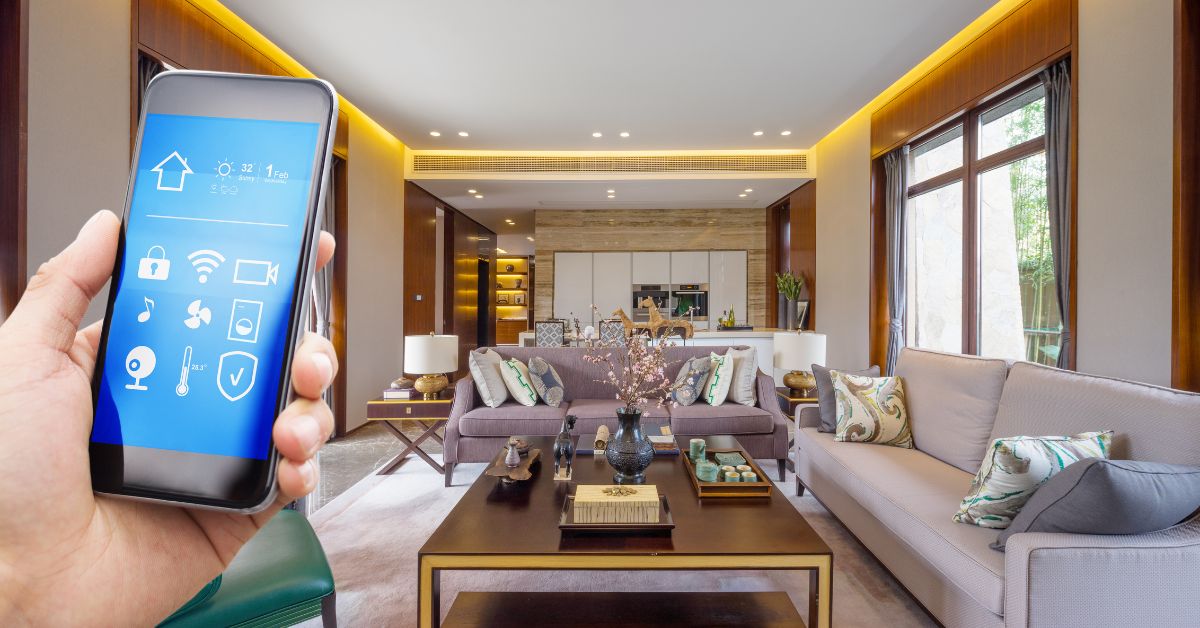
Smart Home: Complete Guide, Benefits, and Real-World Examples
The concept of the smart home has shifted from futuristic imagination to a tangible reality embraced by millions worldwide. A smart home integrates advanced technologies and connected devices into a single ecosystem, creating an environment that is convenient, energy-efficient, and secure. By automating daily tasks, households achieve a lifestyle that is not only modern but also highly practical.
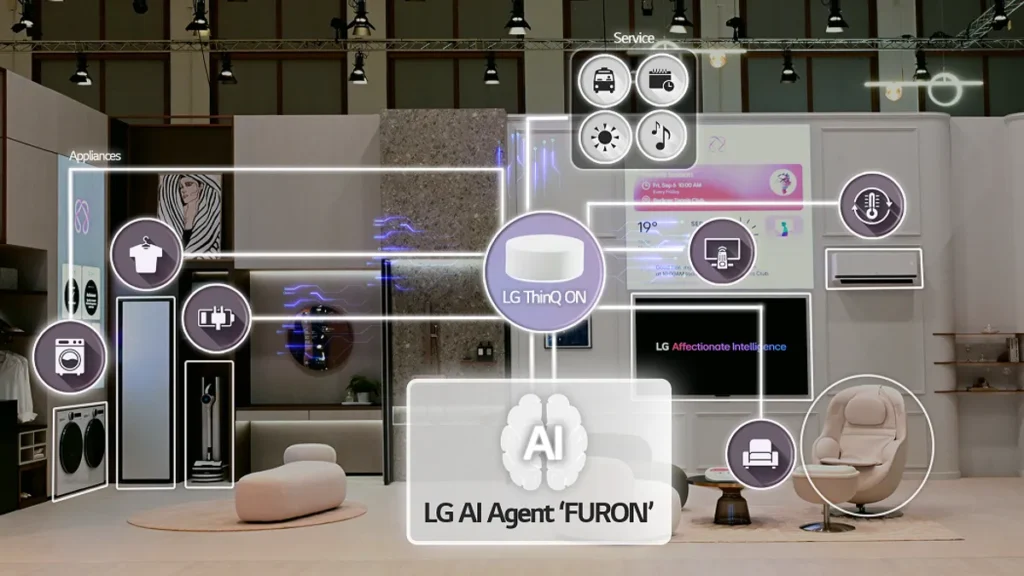
Smart home technology thrives on connectivity. Devices such as lighting, heating, security systems, appliances, and entertainment platforms can be controlled through a central hub, mobile applications, or even voice commands. This integration transforms how people interact with their homes, making comfort, efficiency, and safety seamlessly accessible.
How Smart Homes Work
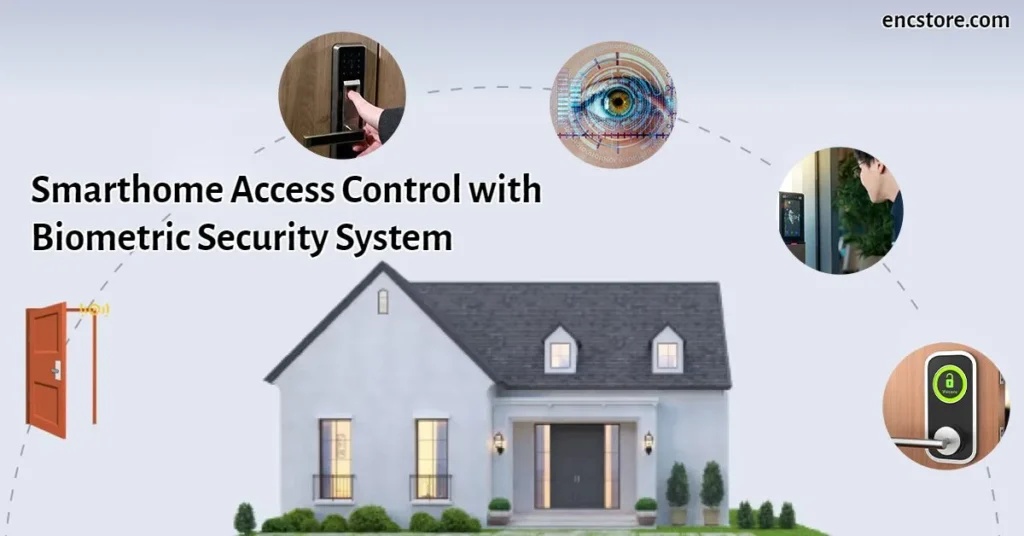
At its foundation, a smart home operates through the Internet of Things (IoT). Devices communicate via Wi-Fi, Bluetooth, or specialized protocols like Zigbee and Z-Wave, enabling them to interact, share data, and respond intelligently.
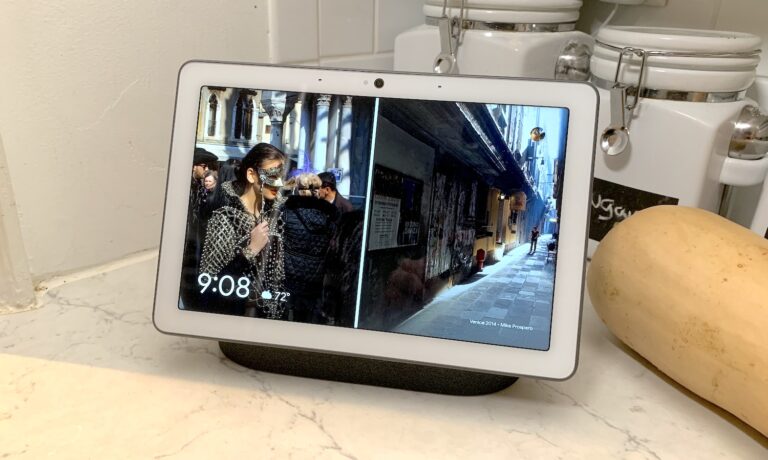
For example, a smart thermostat can automatically adjust room temperature based on occupancy, while smart lights can dim when no one is present. Centralized platforms, such as smart speakers or smartphone apps, function as the “command center,” allowing residents to manage their entire household environment with ease.
The complexity of smart homes varies. Some homeowners adopt a handful of devices, while others build comprehensive systems with dozens of interconnected technologies. Regardless of size, the principle remains constant: enhancing everyday life by blending automation with human needs.
Benefits of Smart Home Technology
Convenience and Automation
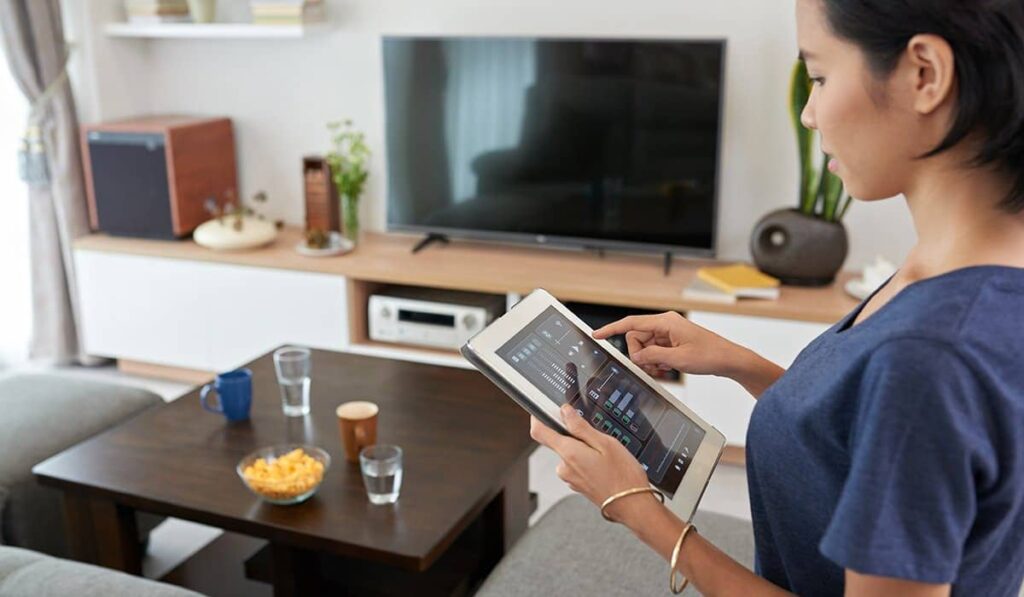
The most immediate benefit of a smart home is convenience. Instead of juggling multiple switches or remotes, you can control lights, locks, appliances, or entertainment systems with a single voice command or a tap on your smartphone.
Automation reduces repetitive tasks. Lights can turn on automatically as you enter your home, blinds can close at sunset, and coffee machines can start brewing in the morning. Over time, smart systems adapt to your habits, creating customized routines that align with your lifestyle.
Energy Efficiency and Cost Savings
Smart homes are designed to optimize energy usage. Smart thermostats, lighting, and appliances monitor consumption and adjust automatically to prevent waste. For example, smart plugs can turn off idle devices, and thermostats fine-tune heating and cooling to avoid unnecessary electricity use.
This results in lower utility bills and promotes a more sustainable household. As energy costs rise globally, many homeowners view this benefit as one of the most compelling reasons to invest in smart technology.
Enhanced Security
Security is a cornerstone of smart home design. Smart locks, surveillance cameras, and motion sensors provide real-time protection and monitoring. Homeowners can receive alerts about unusual activity, check live video feeds, and grant or deny access to visitors remotely.
Modern systems even leverage AI-driven features to detect irregular patterns, adding predictive protection against risks. This proactive security approach provides reassurance whether you are at home, at work, or traveling abroad.
Comfort and Lifestyle Improvements
Smart homes create personalized comfort zones. Smart lighting can simulate natural daylight to boost productivity, while climate systems maintain ideal indoor temperatures automatically. Connected entertainment systems elevate leisure experiences, creating immersive movie nights or music sessions.
Ultimately, smart homes go beyond practicality. They enhance lifestyle quality, well-being, and enjoyment, blending technology with personal comfort.
Real-World Examples of Smart Home Technology
Example 1: Smart Thermostat
Smart thermostats are among the most popular devices in smart homes. They learn user behavior, adjust heating and cooling automatically, and provide detailed energy reports.
For instance, a family in Chicago reduced their annual energy bills by 20% after installing a smart thermostat. The system tracked seasonal changes and occupancy patterns, ensuring comfort without wasteful energy use.
Example 2: Smart Security Cameras and Locks
Smart cameras and locks redefine home security. In New York, a homeowner installed video doorbells integrated with smart locks, enabling them to monitor visitors in real time and grant trusted individuals access remotely.
This eliminated the worry of misplaced keys, provided a clear log of entries, and ensured peace of mind during business trips. Remote access made security not just stronger but also more flexible.
Example 3: Smart Lighting Systems
Smart lighting offers both functionality and aesthetics. A modern apartment in Los Angeles installed smart bulbs and sensors, enabling lights to dim, brighten, or change color based on time of day and activity.
Motion sensors helped cut down electricity costs by turning off lights in unused rooms. Meanwhile, customizable lighting scenes enhanced relaxation, work sessions, and entertainment.
Example 4: Smart Kitchen Appliances
Kitchen technology has evolved significantly with smart appliances. In Texas, a household used a smart refrigerator capable of tracking food expiration dates and suggesting recipes from existing ingredients.
This reduced food waste and simplified meal planning. The integration of connected ovens and dishwashers further streamlined daily tasks, showing how technology supports both sustainability and convenience.
Example 5: Smart Entertainment Systems
Smart entertainment brings families together in engaging ways. In Florida, one household set up a voice-controlled entertainment hub where lights dimmed automatically, sound systems optimized audio, and streaming services launched instantly.
This setup transformed ordinary movie nights into immersive experiences, blending automation with leisure for memorable family bonding.
Practical Use Cases of Smart Homes
Energy Management in Large Homes
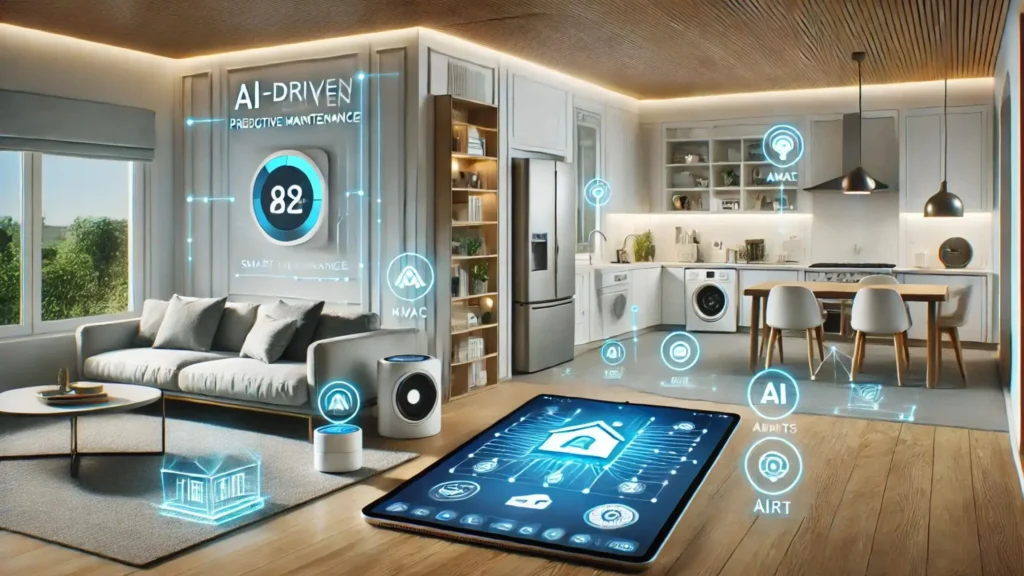
Larger properties often face high utility costs. Smart home systems synchronize heating, cooling, and lighting across multiple zones, ensuring energy is distributed efficiently. This reduces monthly expenses while supporting environmental sustainability.
Remote Monitoring for Frequent Travelers
For homeowners who travel often, remote monitoring provides critical peace of mind. Real-time alerts, video surveillance, and remote control of appliances minimize risks and allow them to remain connected no matter where they are.
Accessibility for Elderly or Disabled Residents
Smart homes empower elderly or disabled individuals with independence. Voice-activated assistants, automated lighting, and safety monitoring ensure daily living remains safe and accessible without constant physical effort.
Environmental Sustainability
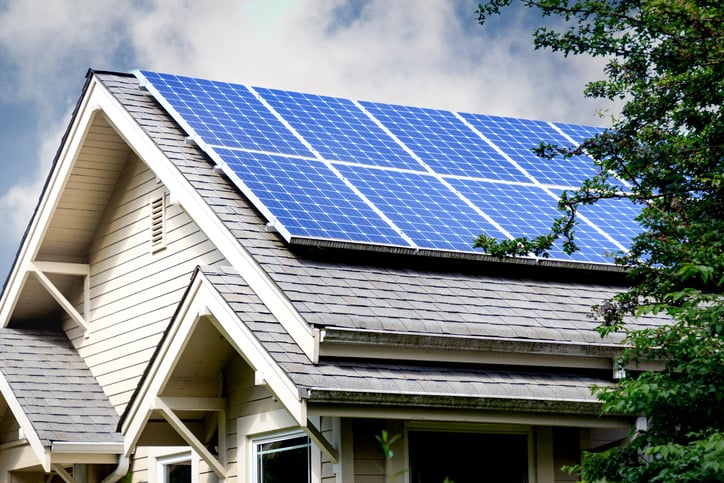
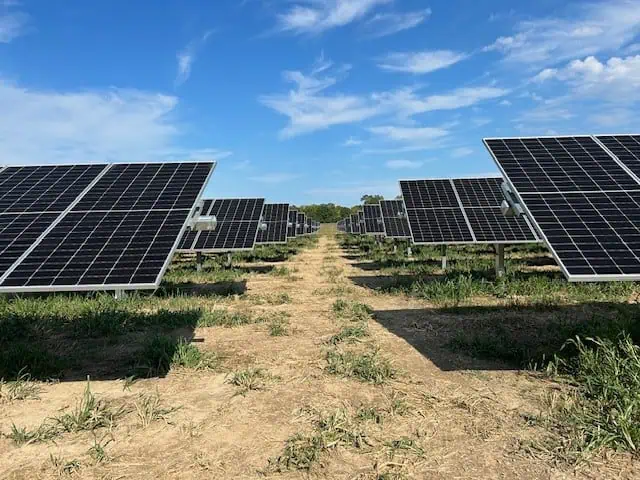
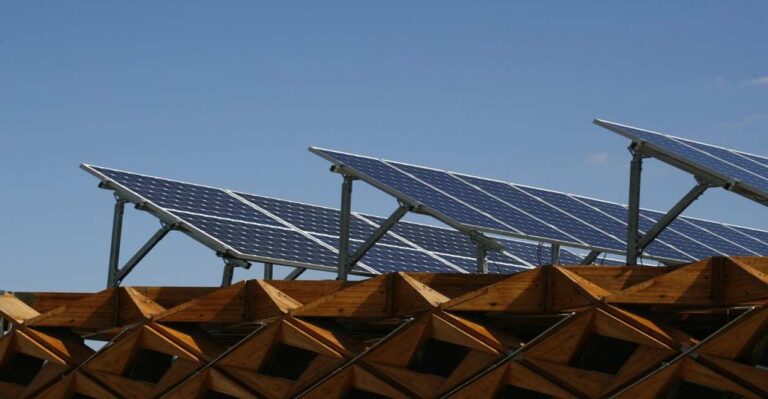
By minimizing waste and incorporating renewable energy integrations, smart homes play a role in environmental responsibility. Features like solar panel integration and energy monitoring align with broader sustainability goals for individuals and communities alike.
Why Smart Homes Are Useful in Real Life
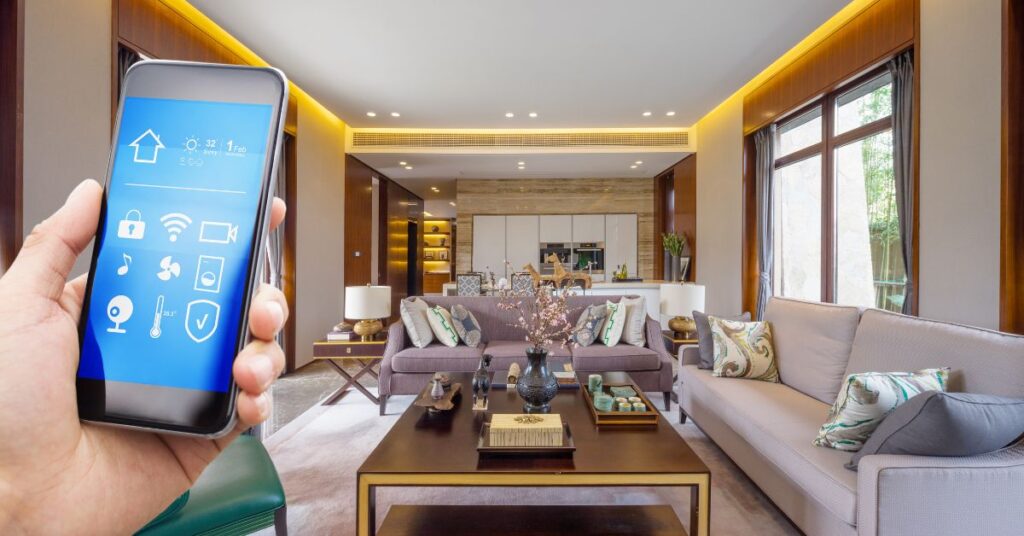
Smart homes solve real-world problems by addressing safety, efficiency, and lifestyle needs. They reduce energy bills, protect families with advanced security, simplify daily routines, and create comfort tailored to personal preferences.
For busy professionals, they save time; for families, they provide peace of mind; and for elderly residents, they deliver independence. By uniting multiple technologies into one connected ecosystem, smart homes offer a holistic improvement to everyday living.
Frequently Asked Questions
1. Do smart homes require constant internet access?
Most devices rely on internet connectivity for advanced features like remote monitoring. However, many still operate locally for basic functions even when the internet is unavailable.
2. Are smart homes difficult to set up?
Not necessarily. Some setups involve just a few plug-and-play devices, while more advanced ecosystems may require professional installation. Modern devices are generally user-friendly and designed for easy integration.
3. Can smart homes save money in the long term?
Yes. While initial investments can be significant, the long-term savings from reduced energy waste and lower utility bills often outweigh the costs.