LEED Green Associate: Complete Guide to Certification, Benefits, and Career Opportunities
The term LEED Green Associate has become one of the most sought-after credentials in the sustainability and green building industry. As environmental challenges push companies and individuals toward sustainable practices, professionals with LEED Green Associate certification stand out as knowledgeable leaders in sustainable design and construction.
The LEED Green Associate credential is designed for those who want to demonstrate their understanding of green building principles, sustainability strategies, and the fundamentals of the LEED rating system. Whether you are an architect, engineer, designer, or project manager, this certification proves your commitment to sustainable practices and opens doors to advanced opportunities in the green building sector.
What is LEED Green Associate?
The LEED Green Associate is an entry-level credential offered by the U.S. Green Building Council (USGBC). It signifies a foundational understanding of the Leadership in Energy and Environmental Design (LEED) rating system. This credential does not require advanced technical expertise but emphasizes essential knowledge of sustainable building concepts.
Professionals who earn the LEED Green Associate designation demonstrate their ability to engage in projects aligned with sustainability goals. It is often the first step before pursuing advanced credentials such as the LEED Accredited Professional (LEED AP), which focuses on specialty areas like Building Design + Construction or Operations + Maintenance.
Why LEED Green Associate Matters
Earning the LEED Green Associate credential offers recognition within a global movement toward sustainable development. Buildings account for a significant portion of global energy use and carbon emissions. The credential validates your expertise in addressing these challenges through green practices.
Employers value the credential as it reflects both environmental awareness and a practical understanding of how to implement green strategies. From reducing energy consumption to promoting healthier indoor environments, LEED Green Associate professionals are at the forefront of shaping a more sustainable future.
Visualizing LEED Green Associate Certification
Imagine holding a certificate that symbolizes your contribution to global sustainability efforts. The LEED Green Associate certificate is not just a document; it is a professional milestone that highlights your role in advancing environmentally responsible practices in the building industry.
This credential carries weight across industries from architecture firms and engineering consultancies to government agencies and real estate development companies. Having it displayed on your profile communicates credibility, professionalism, and a commitment to sustainability.
Benefits of LEED Green Associate Certification
Becoming a LEED Green Associate brings numerous advantages to professionals and organizations. One major benefit is industry recognition, as the credential positions you as a knowledgeable individual in sustainable design. Employers actively seek professionals who can guide projects toward LEED certification, making you a valuable asset in the workplace.
Another significant advantage is career growth. With sustainability at the forefront of global development, professionals with this credential enjoy greater opportunities for advancement. It can lead to new roles, project responsibilities, and higher earning potential. Moreover, it strengthens your ability to collaborate across multidisciplinary teams, contributing to successful green building projects.
Real-World Examples of LEED Green Associate Impact
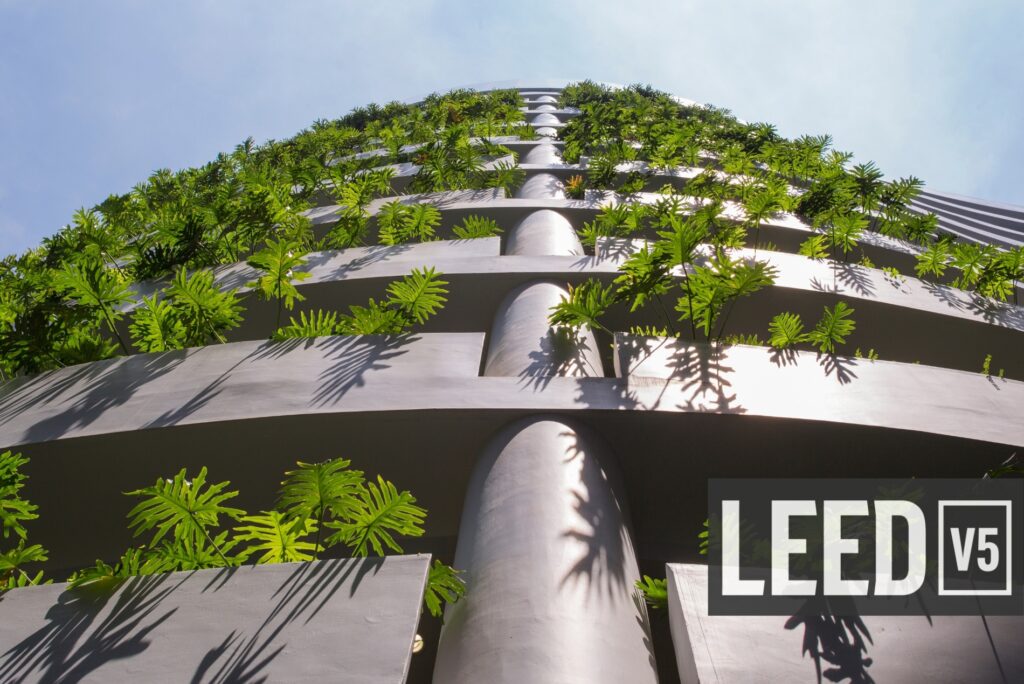
Sustainable Office Tower Project
In a major metropolitan city, a team of professionals including LEED Green Associates contributed to the design of a high-rise office tower targeting LEED Gold certification. Their knowledge helped ensure energy-efficient systems, water-saving strategies, and healthy indoor air quality were implemented throughout the project. This contribution made the building more marketable to tenants seeking environmentally responsible spaces.
The presence of LEED Green Associates within the project team streamlined communication between contractors, architects, and sustainability consultants. Their ability to explain LEED requirements in clear, practical terms reduced costly mistakes and ensured the project stayed on track.
Green School Campus Initiative
Another example is the transformation of a school campus into a sustainable learning environment. LEED Green Associates played a pivotal role in integrating energy-efficient lighting, advanced HVAC systems, and green roofs into the campus design. Their expertise not only contributed to achieving LEED certification but also created healthier classrooms for students and teachers.
This case demonstrates how the LEED Green Associate credential extends beyond commercial projects. It can drive impactful change in educational settings, promoting awareness among younger generations about the importance of sustainability.
Healthcare Facility Upgrade
Healthcare facilities demand environments that support both energy efficiency and occupant well-being. A hospital undergoing a major renovation relied on LEED Green Associates to help implement water-efficient fixtures, advanced waste management systems, and eco-friendly construction materials.
The LEED Green Associate professionals ensured compliance with sustainability guidelines while maintaining the hospital’s operational requirements. Their contributions resulted in a facility that reduced operational costs and improved patient satisfaction.
Practical Use and Advantages in Modern Projects
The LEED Green Associate credential is highly practical for individuals who want to work on real-world projects where sustainability is a core requirement. For example, in real estate development, being a LEED Green Associate equips professionals with the knowledge to integrate energy-efficient systems into designs, reducing long-term costs for building owners.
In addition, the credential is advantageous for consultants and engineers who frequently work with clients that demand sustainable solutions. It demonstrates a solid grasp of LEED requirements, providing confidence to stakeholders that projects will meet global green building standards.
Use Cases: Solving Real Problems with LEED Green Associate Knowledge
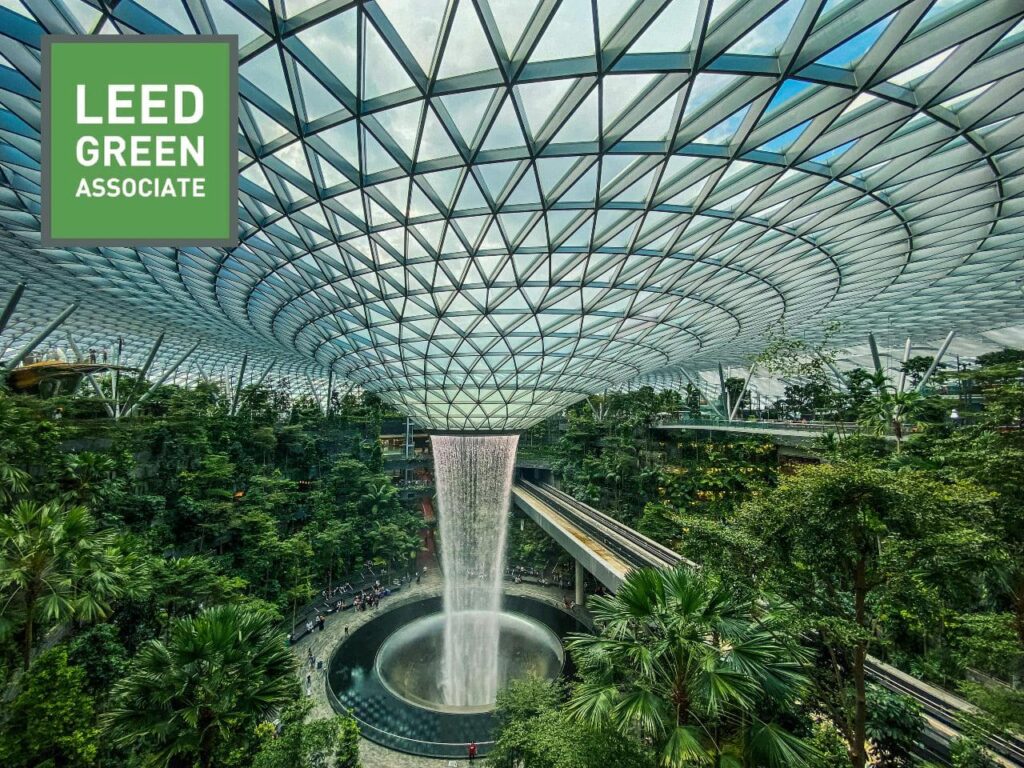
Corporate Offices Reducing Carbon Footprints
Corporations seeking to cut carbon emissions benefit from having LEED Green Associates on their project teams. These professionals identify strategies such as energy-efficient lighting systems, optimized HVAC performance, and renewable energy integration. This leads to significant reductions in utility bills while advancing corporate sustainability goals.
Government Projects Requiring Compliance
Many government contracts now require LEED-certified professionals to participate in projects. A LEED Green Associate credential ensures you can contribute effectively to meeting these requirements, opening the door to government-funded sustainable development projects.
Community Development and Housing
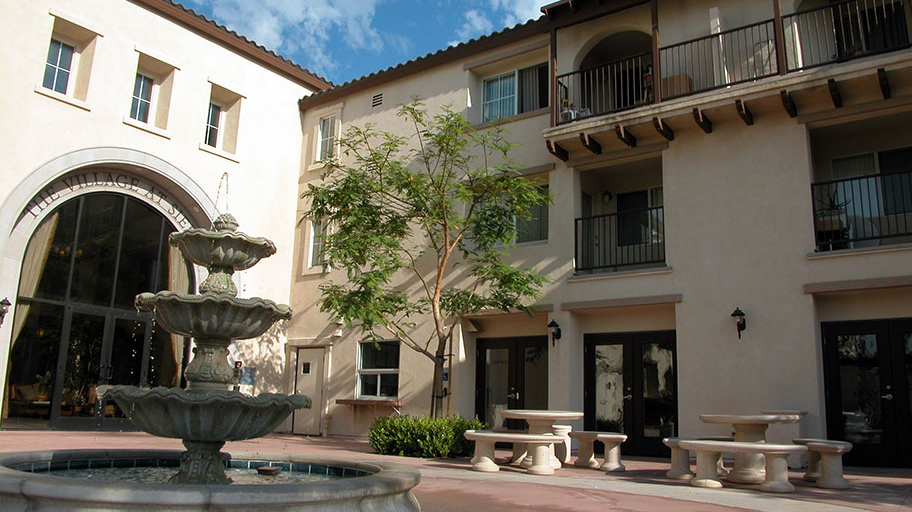
Affordable housing projects increasingly emphasize sustainability to reduce operating costs for residents. LEED Green Associates provide valuable input in selecting materials, managing waste, and improving indoor air quality, enhancing both the sustainability and livability of housing developments.
Frequently Asked Questions
1. What is the difference between a LEED Green Associate and a LEED AP?
A LEED Green Associate is an entry-level credential focused on foundational knowledge of the LEED rating system. A LEED AP (Accredited Professional) requires more advanced expertise and specialization in specific LEED categories such as Building Design or Operations.
2. How long does the LEED Green Associate certification last?
The credential is valid for two years. Professionals must maintain their status by completing continuing education or retaking the exam after the period ends.
3. Who should consider becoming a LEED Green Associate?
Anyone interested in sustainability and green building should consider this credential. It is especially valuable for architects, engineers, designers, real estate professionals, and project managers looking to strengthen their knowledge and career opportunities in sustainable design.