LEED Certification: A Complete Guide to Sustainable Building Standards
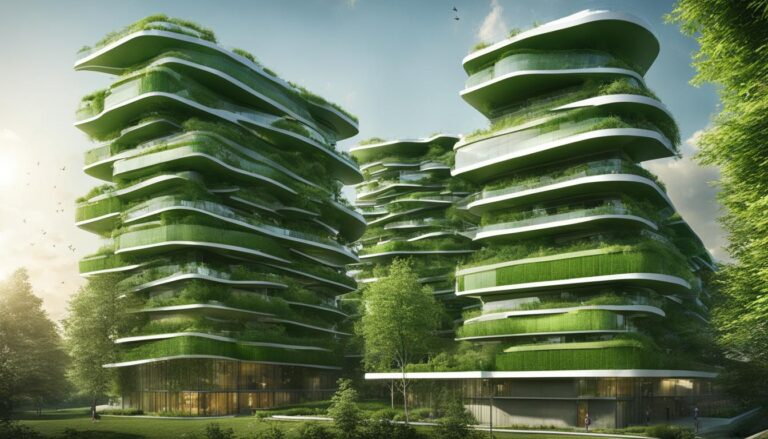
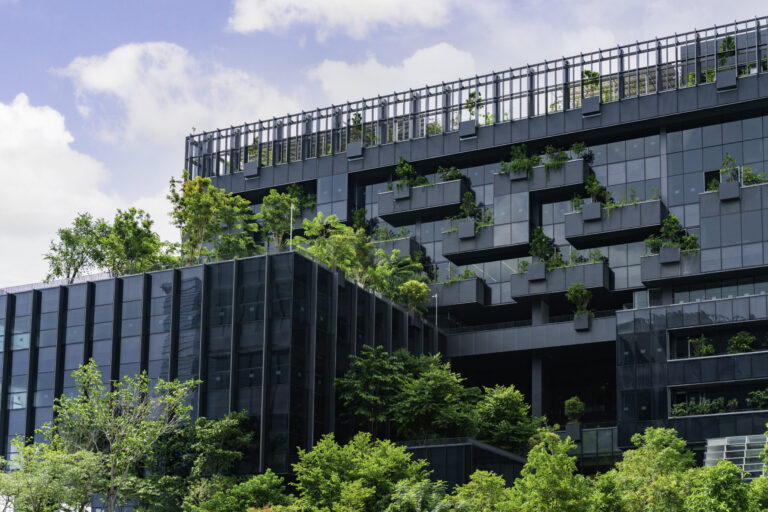
LEED, or Leadership in Energy and Environmental Design, is one of the world’s most widely recognized green building certification systems. Developed by the U.S. Green Building Council (USGBC), LEED provides a framework for designing, constructing, operating, and maintaining high-performance green buildings.
The program evaluates buildings across multiple categories, including energy efficiency, water conservation, indoor air quality, materials selection, and overall environmental impact. LEED certification has become a global standard, signaling commitment to sustainability and innovation in construction.
Why LEED Certification Matters
In today’s world, where climate change and environmental concerns dominate discussions, LEED certification is more than just a credential; it’s a statement of responsibility. Achieving LEED status means a project has met rigorous sustainability requirements, which in turn benefits occupants, the community, and the planet.
LEED-certified buildings often see reduced operational costs, healthier environments, and increased property value. From residential developments to large-scale commercial complexes, the adoption of LEED demonstrates leadership in sustainable design and construction.
How LEED Works
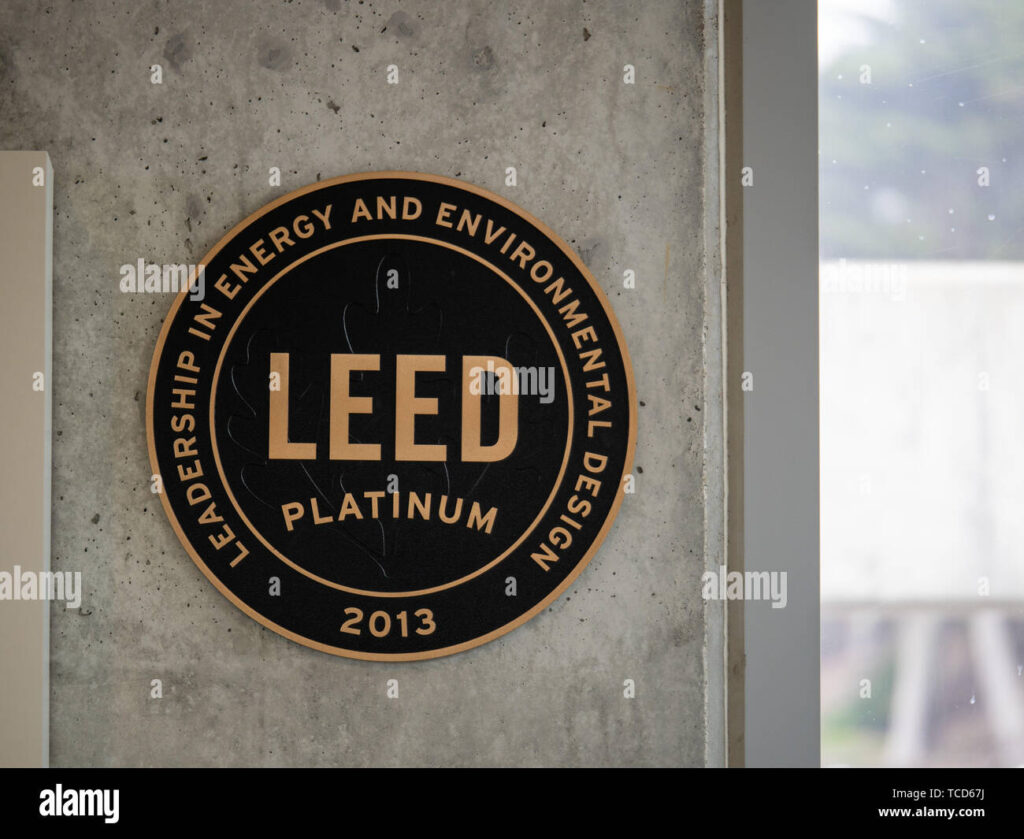
LEED operates through a point-based system where buildings earn credits in categories like energy performance, water efficiency, site sustainability, material use, and innovation. Based on the number of points earned, projects receive different certification levels: Certified, Silver, Gold, or Platinum.
This structured approach allows builders and owners to track progress while ensuring measurable results. LEED’s adaptability also means it can be applied to a wide range of projects, including new construction, existing buildings, schools, hospitals, and even entire neighborhoods.
The Role of Technology in LEED-Certified Buildings
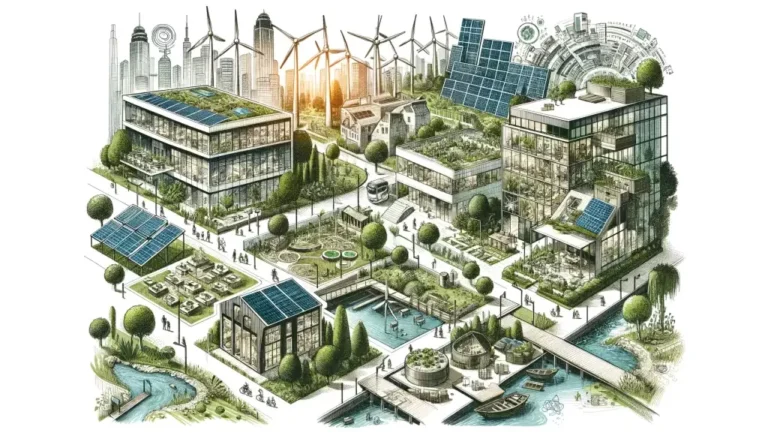
Technology is a critical enabler of LEED goals. Smart building systems, such as automated lighting and HVAC controls, optimize energy efficiency in real time. Advanced water monitoring tools help detect leaks, while greywater recycling systems reduce waste.
Digital modeling and simulation tools also play a significant role. Architects and engineers can forecast energy consumption and design strategies that align with LEED requirements. These technological innovations not only simplify compliance but also improve the performance and longevity of sustainable buildings.
Real-World Examples of LEED in Action
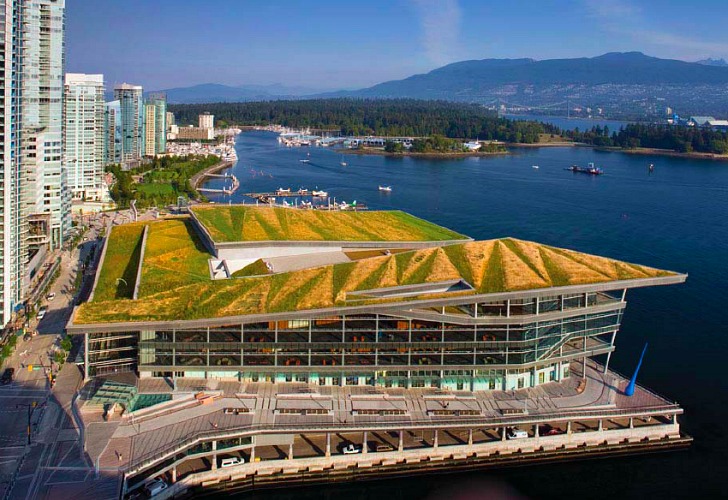
One Bryant Park, New York City
One Bryant Park, also known as the Bank of America Tower, is the first skyscraper in the U.S. to achieve LEED Platinum certification. It incorporates advanced water recycling systems, floor-to-ceiling insulating glass, and a cogeneration plant that supplies much of the building’s energy needs.
This project demonstrates how LEED standards can be integrated into large-scale urban developments, balancing energy efficiency with modern design.
The Bullitt Center, Seattle
Often referred to as “the greenest commercial building in the world,” the Bullitt Center is a prime example of LEED innovation. The six-story office building features composting toilets, rainwater harvesting, and a rooftop solar array that generates more electricity than it consumes.
By exceeding many LEED requirements, the Bullitt Center sets a new benchmark for what sustainable construction can achieve.
PNC Tower, Pittsburgh
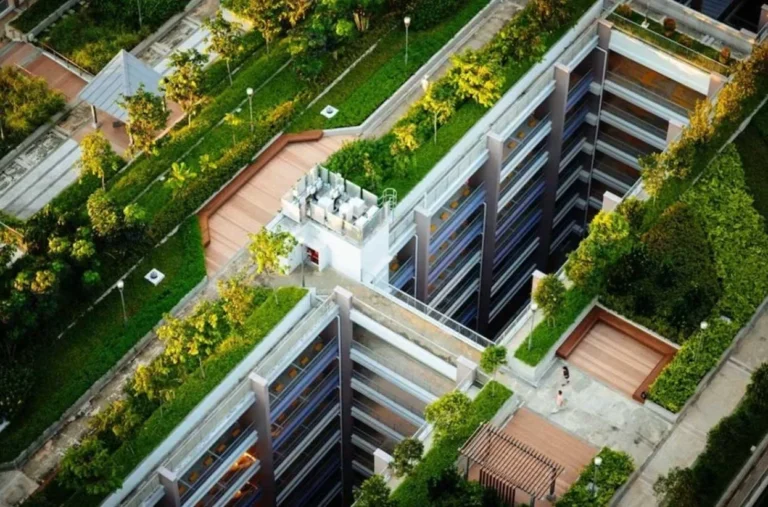
PNC Tower, also known as the Tower at PNC Plaza, earned LEED Platinum certification for its impressive sustainability features. It boasts a double-skin façade that enhances insulation, a green rooftop, and natural ventilation systems that reduce reliance on mechanical cooling.
This building shows how LEED certification can be applied to create healthier, more efficient work environments while reducing environmental impact.
California Academy of Sciences, San Francisco
This iconic museum earned LEED Platinum status thanks to its living roof, natural ventilation, and daylight optimization. The roof itself supports native plants, providing insulation and biodiversity in the middle of an urban environment.
The project highlights how LEED principles extend beyond commercial office buildings to cultural and educational institutions, demonstrating versatility in application.
Shanghai Tower, China
As one of the tallest buildings in the world, Shanghai Tower is also one of the most sustainable. It incorporates rainwater harvesting, wind turbines, and a double-layered glass façade that minimizes heat gain.
Its LEED Gold certification illustrates how even mega-skyscrapers can adopt sustainable practices without compromising functionality or aesthetics.
Benefits of LEED-Certified Buildings
The advantages of LEED certification are broad and measurable. First, LEED buildings typically consume less energy and water, resulting in significant cost savings. Second, improved indoor air quality and the use of non-toxic materials promote healthier living and working environments.
Moreover, LEED certification boosts marketability and property value. As sustainability becomes a priority for investors and tenants alike, certified buildings command higher occupancy rates and stronger financial returns. LEED also enhances brand reputation by showcasing a commitment to environmental stewardship.
Practical Use Cases of LEED
LEED certification has practical implications across multiple sectors. In healthcare, LEED-certified hospitals enhance patient recovery by providing cleaner air and natural light. In education, schools built to LEED standards reduce absenteeism by creating healthier environments for students and staff.
In corporate real estate, LEED buildings improve employee productivity and satisfaction, thanks to better air quality, lighting, and temperature control. For governments and municipalities, LEED-certified public buildings demonstrate leadership in sustainability and inspire community adoption of greener practices.
Frequently Asked Questions
1. Is LEED certification only for new buildings?
No, LEED applies to both new and existing buildings. The program has rating systems designed specifically for renovations, operations, and maintenance.
2. Does LEED certification guarantee cost savings?
While upfront costs may be higher, LEED-certified buildings often save money in the long term through lower energy and water bills, reduced maintenance, and higher occupancy rates.
3. Is LEED recognized internationally?
Yes, LEED has become a global standard, with certified projects in over 180 countries, making it one of the most widely recognized sustainability benchmarks in the construction industry.