LEED AP Certification: A Complete Guide to Benefits, Requirements, and Career Opportunities
LEED AP Certification, short for Leadership in Energy and Environmental Design Accredited Professional, is one of the most respected credentials in the field of sustainable design and green building. Administered by the U.S. Green Building Council (USGBC) through the Green Business Certification Inc. (GBCI), this certification validates expertise in sustainable construction practices, energy efficiency, and environmentally responsible design.
In today’s world, where sustainability is not just a trend but a necessity, LEED AP professionals are in demand across multiple industries. This certification equips individuals with the technical knowledge and credibility to lead projects that meet stringent green building standards.
What is LEED AP Certification?
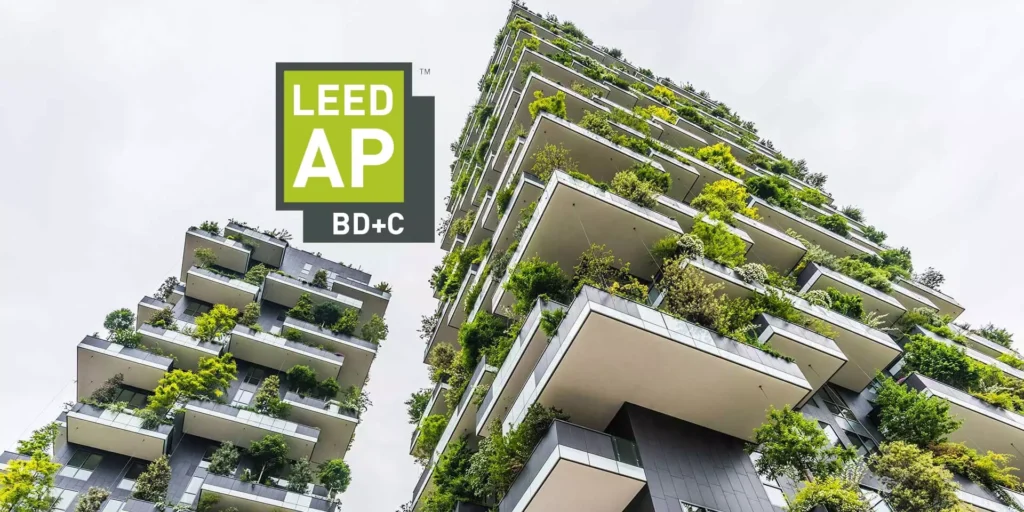
LEED AP Certification is a credential that demonstrates advanced knowledge of green building principles and the ability to work on LEED-certified projects. Unlike the LEED Green Associate, which covers foundational knowledge, the LEED AP credential shows specialization in one or more of the LEED rating system categories, such as Building Design + Construction (BD+C), Interior Design + Construction (ID+C), or Operations + Maintenance (O+M).
Earning this certification means that a professional is not only familiar with the basics of sustainable building but also has deep expertise in applying these principles in real-world projects. This sets LEED APs apart as leaders in sustainable design and construction.
Why LEED AP Certification Matters in Today’s World
The construction industry is responsible for significant carbon emissions, energy use, and waste generation. LEED AP professionals play a crucial role in reducing these impacts by designing and executing projects that prioritize energy efficiency, water conservation, and reduced environmental footprint.
Companies increasingly seek LEED AP professionals to ensure compliance with international green building standards, enhance brand reputation, and contribute to corporate sustainability goals. In many cases, projects led by LEED APs achieve higher ratings, better operational performance, and long-term cost savings.
Benefits of LEED AP Certification
LEED AP Certification offers a variety of benefits for professionals and organizations alike:
Professional Credibility and Career Advancement
For professionals, the LEED AP credential provides recognition as an expert in sustainable design and construction. This can open doors to new job opportunities, leadership positions, and higher salaries. Employers often prioritize candidates with LEED AP certification for sustainability-related roles.
Expanded Knowledge of Sustainable Practices
The certification process equips individuals with advanced technical skills, such as energy modeling, sustainable materials selection, and strategies for reducing a project’s environmental footprint. This knowledge is invaluable in an industry transitioning toward greener practices.
Practical Project Benefits
Organizations that employ LEED APs often achieve greater success in certifying their projects. LEED AP professionals bring efficiency to the design and construction process by ensuring that sustainability requirements are met, documentation is accurate, and the project is optimized for LEED points.
Real-World Examples of LEED AP Certification in Action
A LEED Platinum Corporate Office Tower
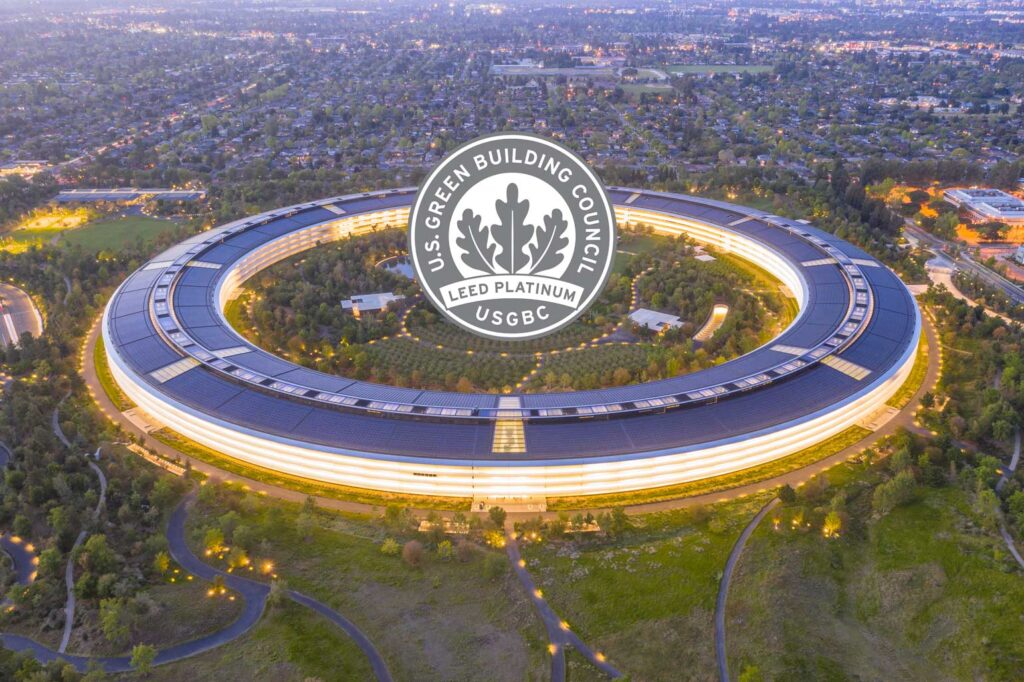
One well-known example is the Bank of America Tower in New York City, one of the first skyscrapers to achieve LEED Platinum certification. LEED AP professionals were instrumental in guiding the design process, incorporating features such as water recycling systems, advanced energy management technologies, and high-performance glass. The result was a building that not only reduced environmental impact but also lowered long-term operational costs.
This project demonstrates how LEED APs can influence large-scale corporate developments, making them more sustainable while still meeting commercial goals.
A University Campus Building
Another real-world case is the University of California, Merced, which has a strong commitment to sustainability. Many of its campus buildings are LEED certified, and LEED AP professionals have played a vital role in integrating renewable energy sources, sustainable landscaping, and efficient water management systems.
By applying their expertise, LEED APs helped the university save resources and reduce its carbon footprint while creating a healthier learning environment for students.
A Healthcare Facility
The Dell Children’s Medical Center in Austin, Texas, became the first hospital in the world to receive LEED Platinum certification. LEED AP professionals contributed to features like daylighting strategies, improved indoor air quality, and energy-efficient systems.
This example highlights how LEED AP certification can impact not just corporate or educational facilities but also healthcare environments where occupant well-being is critically important.
A Government Building
The General Services Administration (GSA) in the United States often employs LEED AP professionals to oversee the construction of federal buildings. For example, the Wayne Aspinall Federal Building in Colorado achieved net-zero energy use while earning LEED Platinum status.
This project showcases the role of LEED APs in influencing public-sector sustainability initiatives, ensuring taxpayer-funded projects meet high efficiency and environmental responsibility standards.
Use Cases: How LEED AP Certification Solves Real Problems

Reducing Energy Costs for Businesses
Many organizations face rising utility costs. LEED APs help businesses design buildings that use less energy through insulation, renewable energy integration, and efficient HVAC systems. These strategies directly address financial concerns while reducing environmental impact.
Meeting Regulatory and Client Demands
With growing pressure from governments and stakeholders, companies must meet strict sustainability benchmarks. LEED AP professionals provide the expertise needed to achieve these goals, ensuring compliance and avoiding costly penalties or delays.
Improving Occupant Health and Productivity
Indoor environmental quality is a major factor in employee well-being. LEED APs design projects that prioritize ventilation, air quality, and natural light. This creates healthier workspaces that improve productivity and reduce absenteeism.
Long-Term Asset Value
Buildings designed under the guidance of LEED AP professionals often command higher resale values and rental rates. This provides a tangible return on investment for owners and developers.
The Path to Becoming a LEED AP

To become a LEED AP, candidates must first pass the LEED Green Associate exam, which covers foundational knowledge. After that, they can pursue the LEED AP exam in a specific specialty, such as BD+C, O+M, or ID+C.
The exam requires in-depth knowledge of the LEED rating system, sustainable design principles, and strategies for implementing green building practices. Many professionals also gain practical experience by working on LEED projects before taking the test.
Preparation often involves study guides, practice exams, and coursework. Once certified, professionals must maintain their credentials through continuing education, ensuring they stay up to date with evolving sustainability standards.
FAQs
1. What is the difference between LEED Green Associate and LEED AP Certification?
The LEED Green Associate credential provides a foundational understanding of sustainable building practices, while the LEED AP Certification demonstrates advanced expertise and specialization in a specific LEED rating system.
2. How long does it take to earn LEED AP Certification?
The timeline varies depending on prior knowledge and preparation. Some professionals achieve certification within a few months, while others may take longer if they also need to gain practical project experience.
3. Is LEED AP Certification worth it for my career?
Yes, LEED AP Certification is highly valued across industries, including architecture, engineering, construction, and real estate. It enhances credibility, career prospects, and earning potential while allowing professionals to contribute meaningfully to sustainable development.