Green Fiber Insulation: Complete Guide to Eco-Friendly Home Insulation
Green building materials are transforming how homes and commercial spaces are constructed, and green fiber insulation is one of the most significant innovations in this field. As demand grows for environmentally responsible alternatives, green fiber insulation stands out as a cost-effective, sustainable, and high-performance solution.
Unlike traditional insulation materials, which often rely on synthetic or non-renewable resources, green fiber insulation is typically made from recycled paper products and other plant-based fibers. It is treated for fire resistance and pest protection, making it safe and durable for a wide range of applications. This eco-friendly product is becoming an increasingly popular choice for homeowners, contractors, and architects aiming to reduce environmental impact while improving energy efficiency.
What is Green Fiber Insulation?
Green fiber insulation is primarily composed of cellulose a recycled paper material that is processed and treated to enhance its insulating properties. The process involves breaking down paper into small fibers and adding natural or non-toxic treatments to resist mold, pests, and fire.
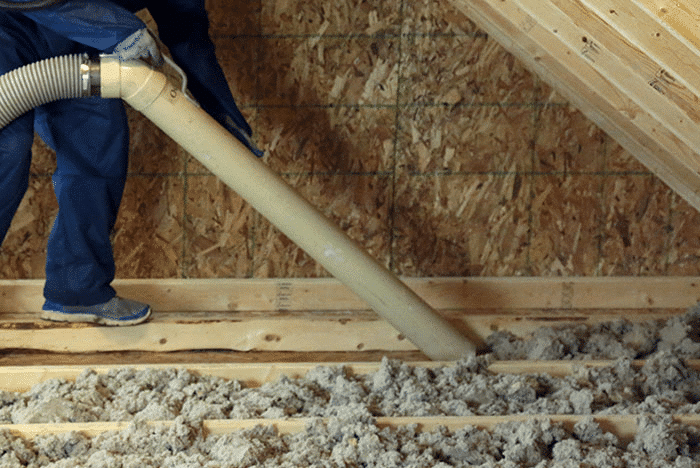
The result is a dense, effective insulation material that can be blown into wall cavities, attics, and other spaces. Its density helps prevent air leakage, providing better thermal regulation compared to some conventional insulation methods. Because it is made from recycled content, green fiber insulation significantly reduces waste that would otherwise end up in landfills.
Green Fiber Insulation in Packaging
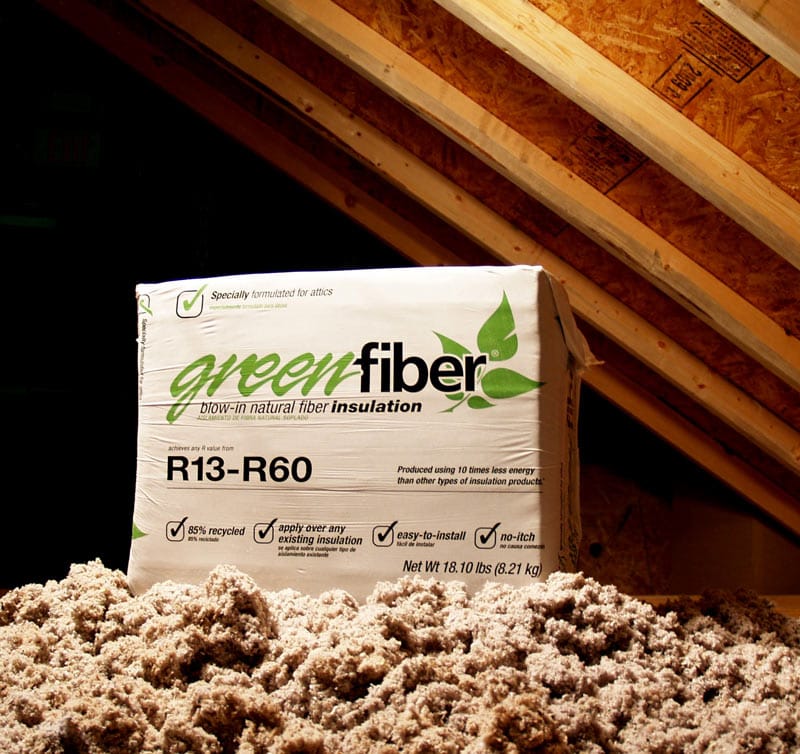
Picture a bundle of green fiber insulation wrapped and ready for installation. The packaging itself often highlights its eco-friendly nature, showcasing its recycled origins and sustainable advantages. For builders and homeowners, it represents not just an insulation product but also a step toward responsible resource use and lower carbon footprints.
This material embodies the principle of circular economy by turning waste paper into a valuable construction product. Each package of insulation symbolizes a move toward smarter and greener building practices.
Benefits of Green Fiber Insulation Technology
One of the greatest benefits of green fiber insulation is its impressive thermal performance. The dense structure of cellulose fibers helps trap heat in winter and keep spaces cooler in summer, contributing to reduced energy consumption and lower utility bills.
Another advantage is its environmental sustainability. Unlike fiberglass or foam insulation, which often require significant amounts of energy to manufacture, cellulose insulation has a far lower embodied energy. The use of recycled paper reduces waste while requiring less energy in production, making it one of the most environmentally friendly insulation options on the market.
Additionally, green fiber insulation provides excellent soundproofing qualities. Its dense nature helps absorb noise, making it particularly effective for creating quiet indoor environments. This added benefit makes it appealing for both residential and commercial spaces where comfort is a priority.
Real-World Examples of Green Fiber Insulation in Action
Green Fiber Insulation in a Modern Eco-Home
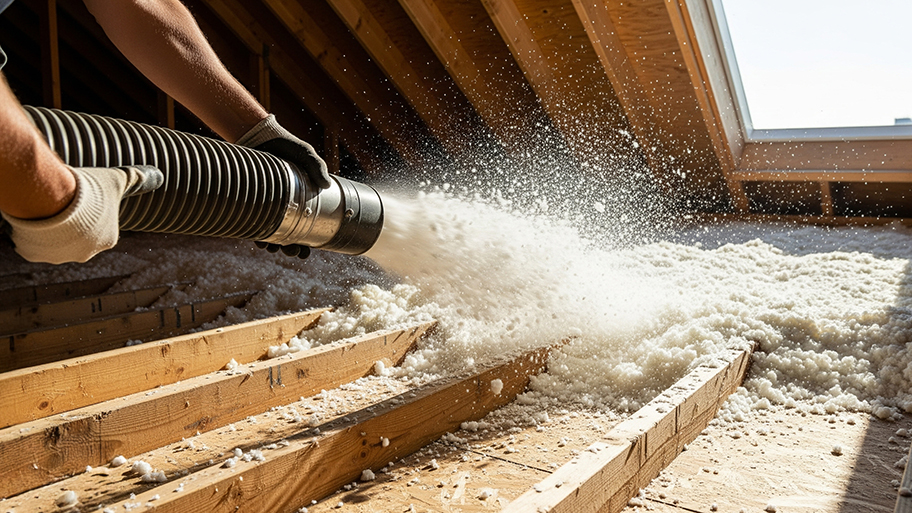
In an eco-friendly residential project, builders chose green fiber insulation to achieve both energy efficiency and sustainability goals. The insulation was blown into wall cavities and attic spaces, resulting in significant energy savings throughout the year.
The homeowners noted improved indoor comfort and a noticeable reduction in utility costs. This real-world case highlights how green fiber insulation can be seamlessly integrated into modern construction while aligning with sustainability goals.
Green Fiber Insulation in Historic Building Renovation
During the renovation of a historic building, preservation experts used green fiber insulation to upgrade energy efficiency without compromising the structure’s original architecture. The blown-in application allowed them to insulate hard-to-reach areas while maintaining the integrity of the walls and ceilings.
This project illustrates the versatility of green fiber insulation, proving it is suitable not only for new builds but also for retrofitting older properties. The result was an energy-efficient space that retained its historic character.
Green Fiber Insulation in Educational Facilities
A school district implemented green fiber insulation as part of a sustainability initiative across several campuses. The insulation contributed to energy-efficient classrooms and reduced operational costs, allowing the district to allocate more resources to student programs.
The added benefit of soundproofing created quieter learning environments, improving student focus and comfort. This case demonstrates the wider community impact of adopting green insulation practices in public infrastructure.
Practical Use and Advantages of Green Fiber Insulation
Green fiber insulation is practical in both residential and commercial applications. For homeowners, it offers an affordable way to increase energy efficiency and comfort while aligning with eco-conscious values. For builders and developers, it provides a product that meets rising demands for sustainable construction materials.
One of the key advantages lies in its adaptability. The blown-in application allows it to fill gaps and cover irregular surfaces more effectively than some rigid insulation materials. This ensures maximum coverage and reduces thermal bridging an issue that can lead to heat loss in poorly insulated spaces.
Use Cases: Solving Real Problems with Green Fiber Insulation
Reducing Energy Bills in Homes
One of the most common problems homeowners face is high utility bills due to energy loss. Green fiber insulation solves this issue by improving thermal efficiency. By minimizing drafts and air leaks, it helps households maintain consistent indoor temperatures without over-relying on heating or cooling systems.
Improving Indoor Comfort in Offices
In commercial spaces, noise pollution and inconsistent temperatures can affect productivity. Installing green fiber insulation helps regulate indoor temperatures while also reducing noise levels. This creates more comfortable work environments, boosting employee satisfaction and efficiency.
Supporting Sustainable Community Projects
Community housing initiatives often look for affordable, eco-friendly materials. Green fiber insulation is an ideal choice as it provides cost savings, improved living conditions, and long-term sustainability benefits for residents. It directly addresses the challenge of creating affordable yet sustainable housing solutions.
Frequently Asked Questions
1. Is green fiber insulation safe for indoor use?
Yes, green fiber insulation is safe when installed correctly. It is treated with non-toxic fire retardants and mold inhibitors, making it safe for indoor environments while still maintaining eco-friendly properties.
2. How does green fiber insulation compare to fiberglass?
Green fiber insulation typically offers better air sealing and environmental benefits compared to fiberglass. While both materials provide good thermal performance, cellulose has a smaller environmental footprint due to its recycled content.
3. Can green fiber insulation be used in older homes?
Absolutely. Its blown-in application makes it ideal for retrofitting older homes, as it can be installed into wall cavities and attics without major structural changes. This makes it an effective solution for upgrading energy efficiency in historic or aging properties.