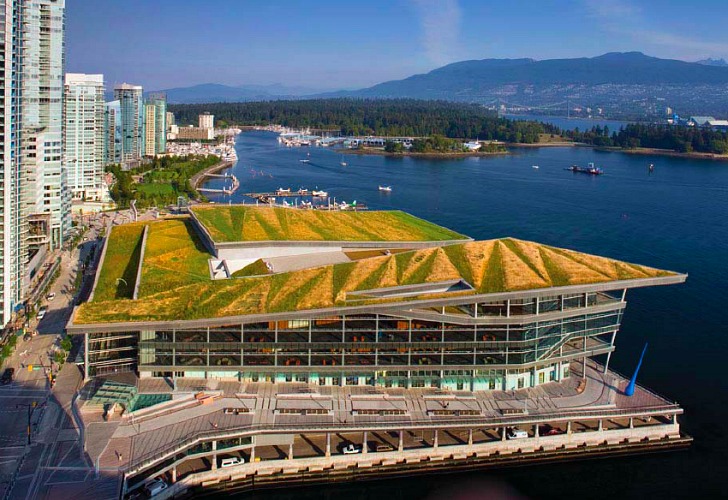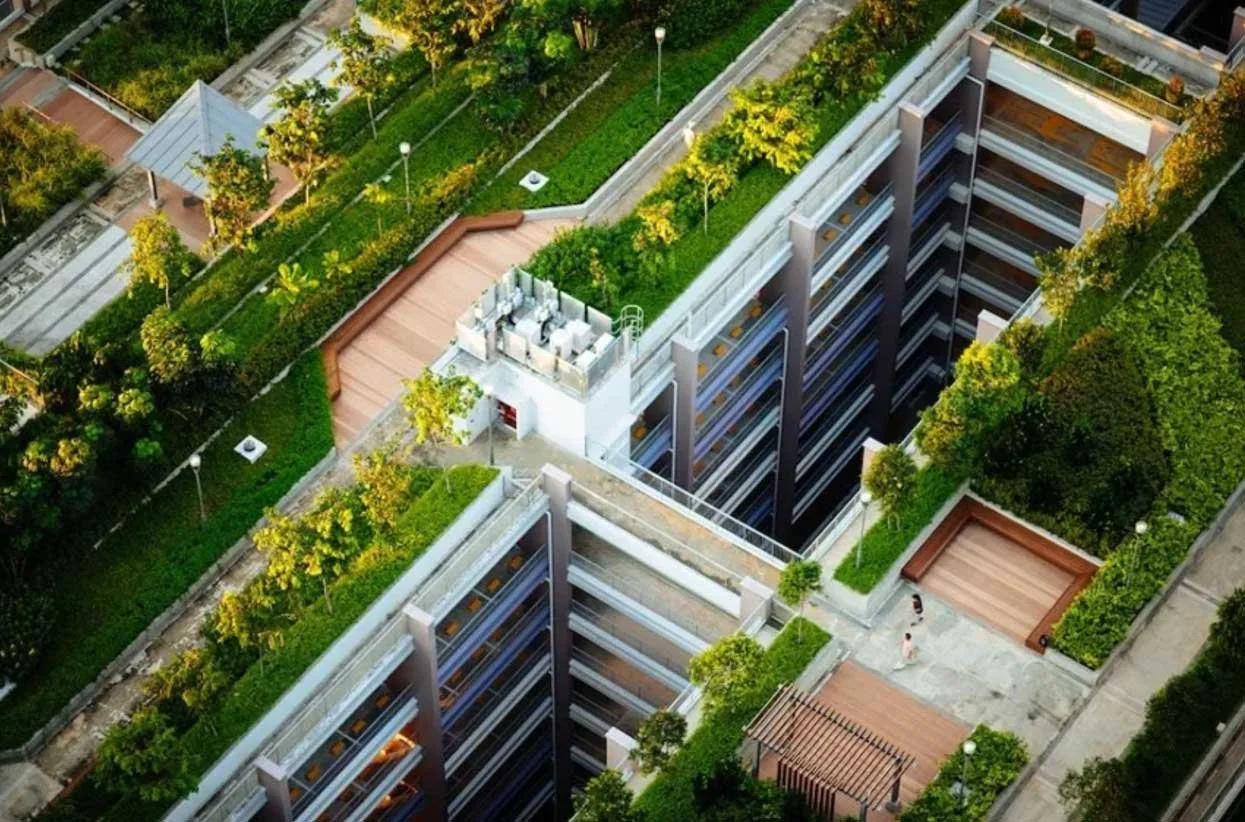
Green Building Supply: Sustainable Materials and Solutions for Modern Construction
Green building supplies refer to the materials, systems, and solutions designed to minimize environmental impact while enhancing the health and efficiency of buildings. As the demand for sustainable construction grows, the role of eco-friendly materials becomes increasingly important. From renewable wood alternatives to advanced insulation systems, these supplies are revolutionizing how we build modern homes and commercial spaces.
The core philosophy of green building supply is not only about reducing carbon footprints but also enhancing long-term performance. By integrating sustainability into construction practices, architects and builders create healthier indoor environments and reduce dependency on non-renewable resources.
Why Green Building Supplies Matter in Modern Construction
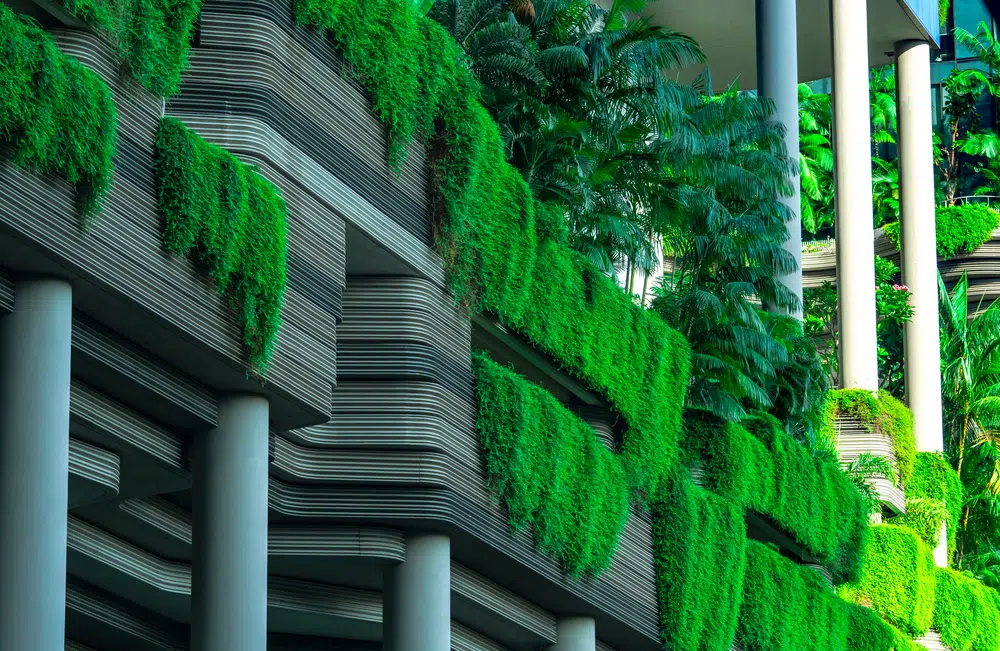
The construction industry has a significant environmental footprint. Traditional building materials like concrete and steel, while strong, consume vast amounts of energy during production. Green building supplies, on the other hand, often come from recycled, renewable, or low-impact sources. This shift reduces greenhouse gas emissions and promotes responsible resource use.
Beyond environmental benefits, sustainable materials also improve indoor air quality and occupant well-being. Low-VOC paints, non-toxic adhesives, and natural flooring options eliminate harmful pollutants, ensuring healthier living and working spaces.
The Role of Technology in Green Building Supply
Technology is advancing the way green building supplies are manufactured and implemented. Innovations such as 3D-printed construction materials reduce waste and optimize resource use. Smart insulation products integrate sensors to track building efficiency, helping property owners reduce energy costs.
Additionally, digital platforms now allow architects to model entire buildings using sustainable materials, simulating energy performance before construction begins. This ensures optimal design decisions that maximize efficiency and sustainability.
Real-World Examples of Green Building Supplies

Bamboo Flooring
Bamboo has emerged as a popular green building material due to its rapid renewability. Unlike hardwood trees that take decades to mature, bamboo regenerates within five years. Its strength rivals traditional timber, making it ideal for flooring, cabinetry, and even structural elements.
Bamboo’s aesthetic appeal and durability make it a staple in modern eco-friendly homes. Its natural resilience to moisture and insects also ensures longevity, reducing the need for frequent replacements.
Recycled Steel
Recycled steel is another cornerstone of sustainable construction. It can be reused without losing strength, drastically reducing the need for virgin mining. Steel frames, beams, and roofing materials derived from recycled content help lower emissions while maintaining high durability.
Beyond structural integrity, steel offers flexibility in design. Its adaptability allows for modern architectural innovation without compromising on environmental responsibility.
Low-VOC Paints
Paint is often overlooked in sustainability discussions, yet it plays a vital role in indoor air quality. Low-VOC (volatile organic compound) paints significantly reduce toxic emissions, creating safer spaces for residents and workers.
These paints come in a wide range of finishes and colors, proving that eco-conscious choices do not limit aesthetic possibilities. By eliminating harmful chemicals, they enhance comfort and health without sacrificing performance.
Hempcrete
Hempcrete, made from hemp fibers mixed with lime, is an innovative alternative to concrete. Lightweight yet durable, it provides natural insulation and regulates humidity. Its carbon-negative properties mean it absorbs more CO₂ during its lifecycle than it emits.
This material is gaining traction in eco-friendly construction, particularly in residential projects. Hempcrete walls not only reduce environmental impact but also create healthier indoor climates.
Solar Roofing Materials
Solar roofing materials, such as photovoltaic shingles, integrate renewable energy directly into building structures. Unlike traditional solar panels, these supplies seamlessly blend into roof designs while generating clean electricity.
By harnessing solar power, these roofing systems reduce reliance on fossil fuels and lower energy costs. They also add long-term value to properties by combining sustainability with cutting-edge technology.
Benefits of Using Green Building Supplies
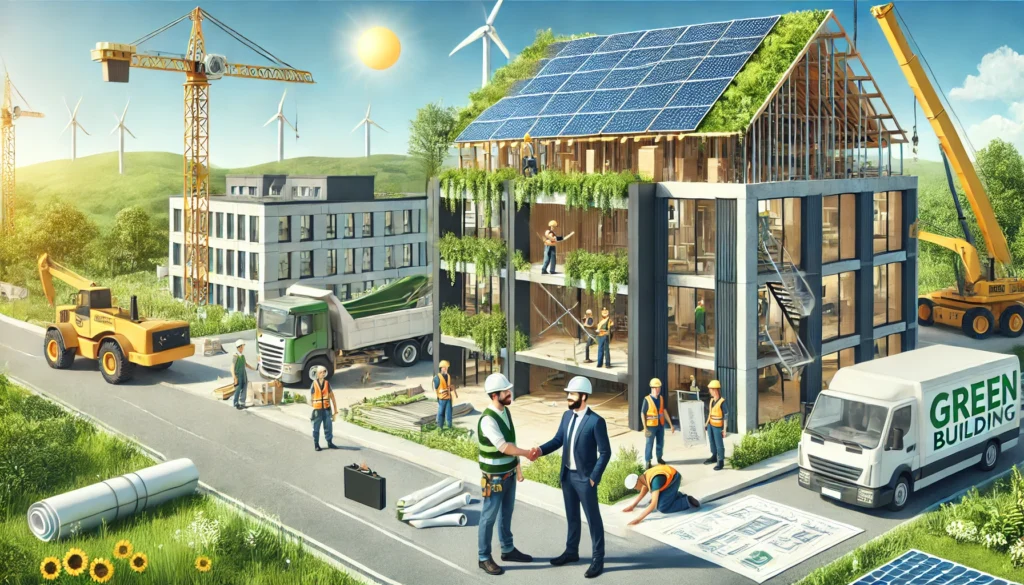
Green building supplies offer long-term cost savings by reducing maintenance and energy expenses. Sustainable insulation materials, for example, minimize heating and cooling costs, while durable options, such as recycled steel, reduce the need for replacements.
Another benefit is the positive impact on health. Non-toxic materials reduce exposure to allergens and chemicals, which is particularly important in schools, hospitals, and residential spaces. Additionally, using eco-friendly supplies can increase property value, as sustainability becomes a major selling point in real estate.
Practical Use Cases of Green Building Supply
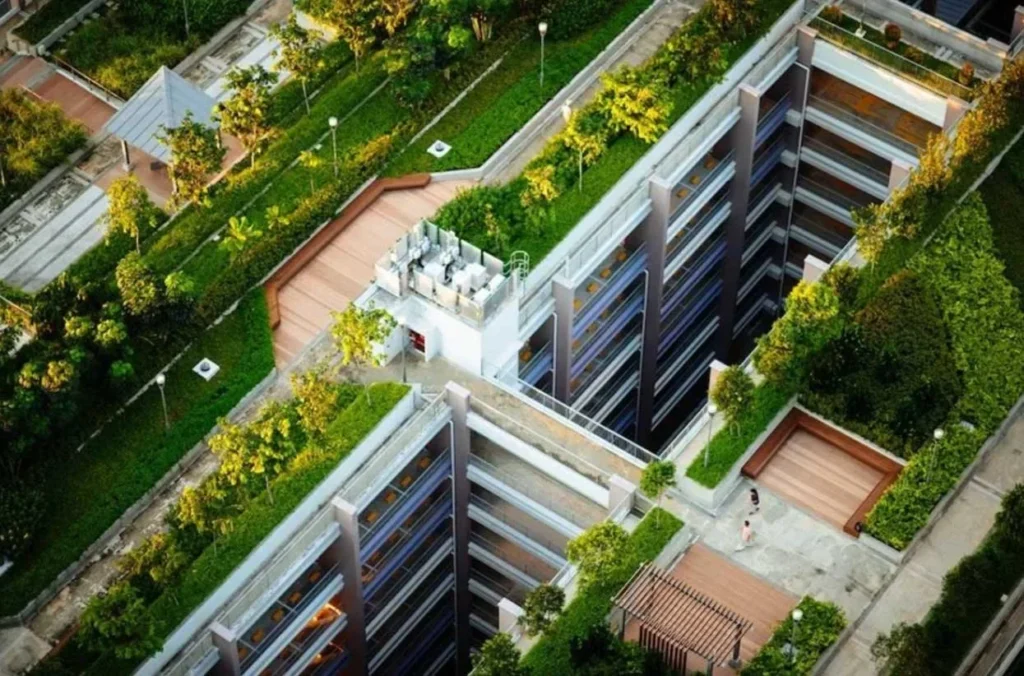
One of the most important use cases is in residential construction. Homeowners are increasingly choosing bamboo flooring, solar roofing, and low-VOC paints to create healthier, more sustainable living environments. These choices lower household energy bills while ensuring long-lasting comfort.
In commercial projects, green supplies provide a competitive edge. Businesses benefit from lower operational costs and improved brand reputation when they invest in sustainable building materials. For public buildings, green supplies contribute to community health, environmental responsibility, and compliance with modern regulations.
Frequently Asked Questions
1. Are green building supplies more expensive than traditional materials?
Initially, some eco-friendly materials may cost more upfront. However, they often provide long-term savings through durability, energy efficiency, and reduced maintenance costs.
2. Can green building supplies be used in all types of construction?
Yes, sustainable materials can be applied across residential, commercial, and industrial projects. The adaptability of bamboo, recycled steel, and hempcrete makes them suitable for diverse applications.
3. How do green building supplies improve indoor air quality?
Products like low-VOC paints, non-toxic adhesives, and natural flooring reduce pollutants and allergens. This leads to healthier environments, especially for children, elderly individuals, and those with respiratory sensitivities.