Green Building Renewables: A Complete Guide to Sustainable Energy in Construction
Sustainability has become one of the most pressing concerns in modern architecture and construction. As industries move toward environmentally responsible practices, green building renewables play a central role in shaping a low-carbon future. These renewable technologies are designed to minimize reliance on fossil fuels while maximizing energy efficiency, environmental performance, and long-term cost savings.
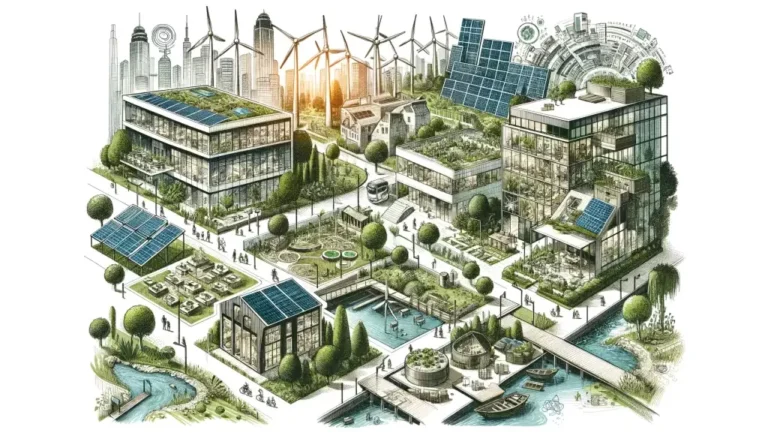
Green building renewables cover a wide spectrum, from solar and wind energy to geothermal heating and biomass systems. These technologies are integrated into residential, commercial, and public infrastructure projects worldwide. By incorporating renewables into construction, builders and developers not only meet growing sustainability standards but also future-proof buildings against rising energy costs and stricter environmental regulations.
What Are Green Building Renewables?
Green building renewables refer to energy systems and technologies that rely on natural, renewable resources rather than fossil fuels. They are designed to work alongside sustainable building practices, such as efficient insulation, smart energy management, and environmentally friendly materials.
These systems are more than just energy solutions; they are part of a larger shift toward regenerative building practices. For example, solar panels convert sunlight into electricity, while geothermal systems harness the Earth’s stable temperatures for heating and cooling. By integrating such technologies, buildings can operate with reduced greenhouse gas emissions and improved overall efficiency.
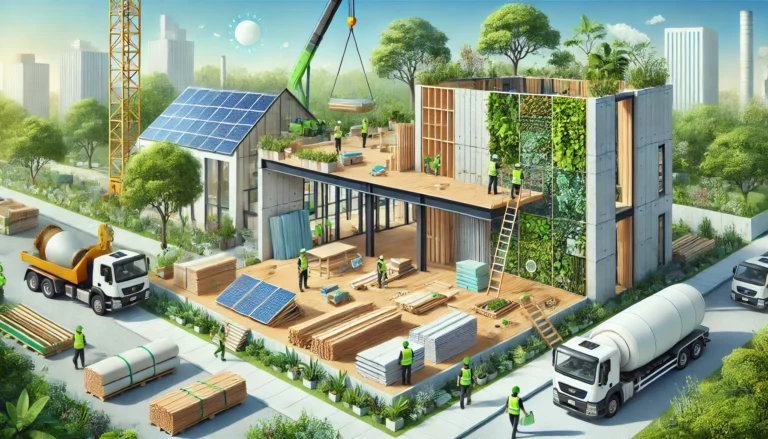
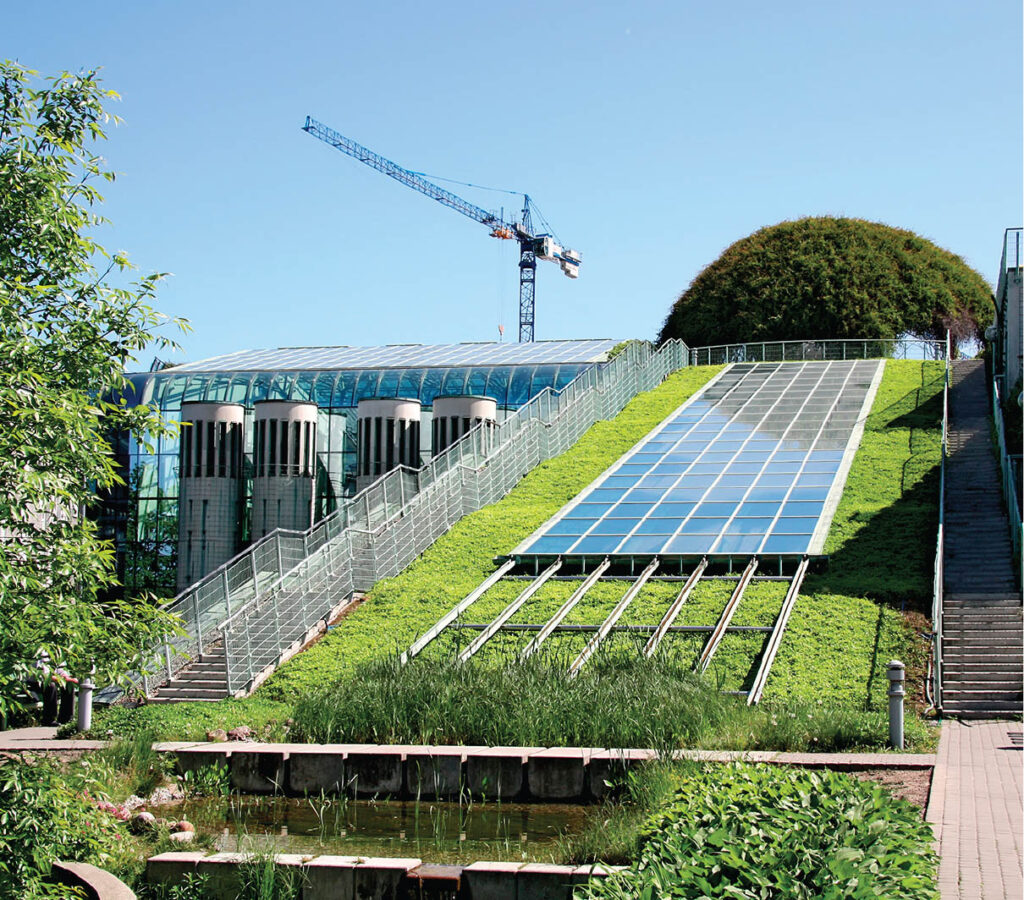
Solar Panels on a Green Building Rooftop
A striking example of green building renewables is the use of solar panels on rooftops. Panels installed across residential and commercial buildings convert sunlight into electricity, powering everything from lighting to heating systems.
This visual not only highlights a practical application but also demonstrates how renewable energy systems can be seamlessly integrated into architectural design without compromising aesthetics. For many projects, solar is often the first step toward renewable energy adoption.
Benefits of Using Green Building Renewable Technologies
The benefits of green building renewables extend far beyond environmental impact. One of the most notable advantages is energy independence. By generating power on-site, buildings reduce reliance on external energy grids, providing resilience against power shortages and rising utility costs.
Additionally, renewable energy systems significantly lower greenhouse gas emissions. This contributes to global sustainability goals, such as reducing climate change impact and aligning with green certification standards like LEED. Green building renewables also enhance property value, as buyers and investors increasingly favor energy-efficient and eco-friendly spaces.
Another key benefit is long-term cost savings. While the initial investment in renewable technologies may be higher, the payback comes through reduced energy bills and lower maintenance costs. Over time, renewables become not just an eco-conscious choice but also a financially sound one.
Real-World Examples of Green Building Renewables
Solar Power in Residential Communities
One widely recognized application of green building renewables is solar power in residential communities. Homeowners install rooftop solar panels to generate electricity for daily use, with excess power often fed back into the grid.
This solution addresses the common issue of rising electricity bills while simultaneously reducing the carbon footprint of households. Solar-powered communities have proven how collective adoption of renewable energy can lead to measurable reductions in greenhouse gas emissions.
Geothermal Heating in Modern Office Complexes
Geothermal energy systems provide heating and cooling by tapping into stable underground temperatures. Office complexes equipped with geothermal loops demonstrate how renewables can create consistent indoor comfort while dramatically lowering energy consumption.
This application solves the problem of inefficient HVAC systems that typically consume large amounts of energy. Geothermal heating and cooling not only reduce operational costs but also enhance sustainability performance for corporate buildings.
Wind Turbines in Coastal Commercial Projects
In certain regions, wind energy plays a vital role in sustainable building projects. Coastal commercial properties often integrate mid-sized wind turbines to supplement their energy needs.
This approach makes use of natural wind currents, turning them into a renewable power source for lighting, cooling, and operations. The integration of wind power into buildings illustrates the versatility of renewables in addressing site-specific energy challenges.
Biomass Boilers in Public Facilities
Biomass systems, which use organic material such as wood pellets, have been successfully installed in public facilities like schools and community centers. These systems replace traditional fossil-fuel heating with renewable, low-carbon energy sources.
The relevance of biomass lies in its ability to provide reliable heating while utilizing locally sourced renewable materials. For communities, this means reduced dependence on imported fuels and stronger support for local economies.
Practical Advantages of Green Building Renewables
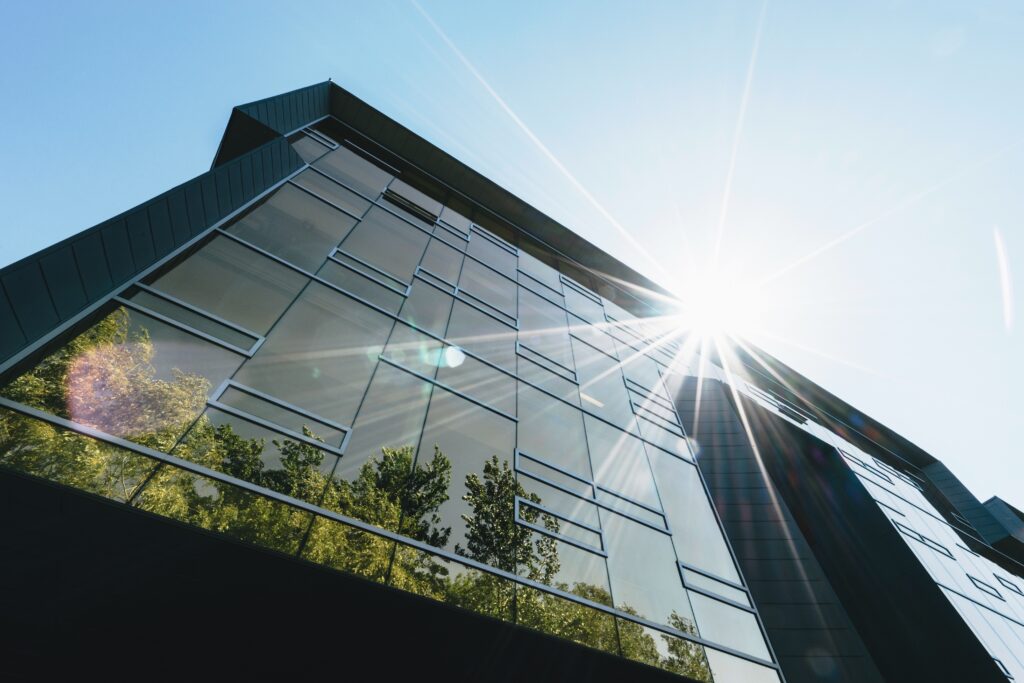
Renewables provide tangible benefits that go beyond sustainability reports. They improve air quality by reducing reliance on fossil fuels and decreasing pollution in urban environments. This leads to healthier indoor and outdoor conditions for occupants.
They also support compliance with evolving environmental regulations. Many regions now mandate energy efficiency standards for new construction, and integrating renewables allows projects to meet and exceed these benchmarks. This proactive approach ensures buildings remain relevant in an era of increasing environmental accountability.
Use Cases: Solving Real-World Problems

Lowering Carbon Footprints in Urban Homes
Urban homes often struggle with high emissions due to dense energy consumption. Installing solar panels or adopting green fiber insulation supported by renewable-powered HVAC systems helps significantly reduce these emissions while lowering household costs.
Increasing Resilience in Remote Areas
Remote communities frequently face challenges accessing a consistent power supply. Integrating solar, wind, or hybrid renewable systems ensures these areas have reliable, clean, and affordable energy, solving the problem of unstable grid connections.
Enhancing Learning Environments in Schools
Schools adopting renewable technologies not only cut energy costs but also create opportunities for environmental education. By using solar or biomass systems, schools demonstrate sustainability in action, inspiring future generations to value renewable energy.
Frequently Asked Questions
1. What types of renewable energy are most common in green buildings?
The most common include solar power, geothermal systems, biomass heating, and wind energy. Each is chosen based on local conditions, energy needs, and project design.
2. Do green building renewables work in all climates?
Yes, but their efficiency depends on the specific technology and site conditions. For example, solar panels are more effective in sunny climates, while geothermal can provide stable energy in almost any location.
3. Are renewable technologies expensive to maintain?
Generally, renewable systems require less maintenance than traditional energy systems. Solar panels, for example, can last over 25 years with minimal upkeep, while geothermal systems often have long lifespans with low operational costs.