Green Building Materials: Benefits, Types, and Real-World Examples of Sustainable Construction
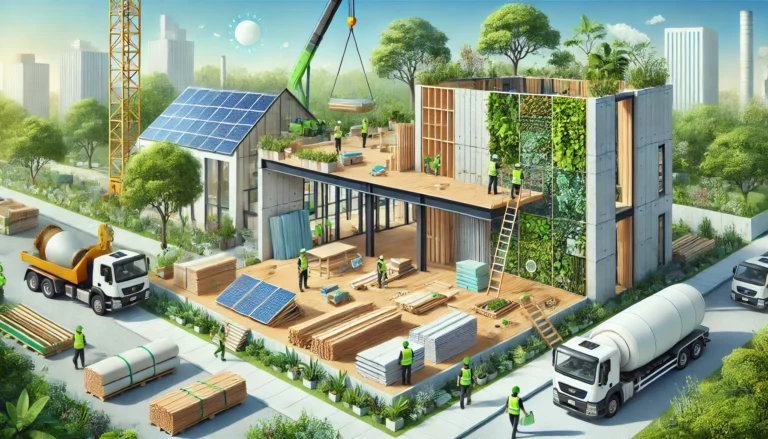
Green building materials are revolutionizing the construction industry by reducing environmental impact, enhancing energy efficiency, and promoting healthier living environments. Unlike conventional materials, which often contribute to waste, pollution, and high energy use, green building materials are designed to be sustainable, durable, and resource-efficient.
From recycled products to renewable resources and innovative technologies, these materials are reshaping how we build homes, offices, and public spaces. Their role is central in achieving global sustainability goals and ensuring construction practices meet the needs of both present and future generations.
What Are Green Building Materials?
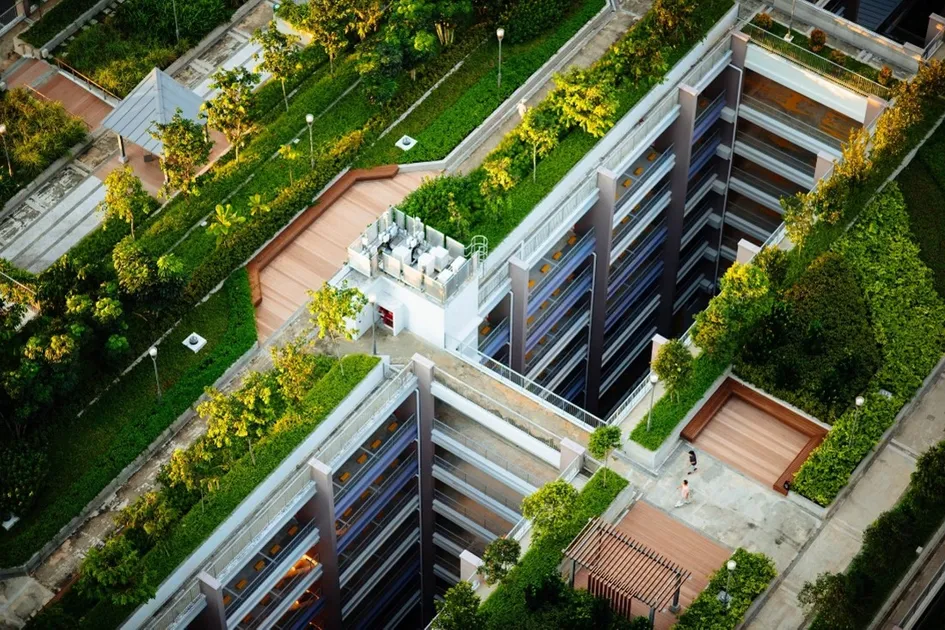
Green building materials are products that contribute to sustainability across their entire life cycle, from production and installation to use and eventual disposal. They are often derived from renewable sources, recycled waste, or designed to minimize energy consumption and emissions.
Examples include bamboo, recycled steel, low-VOC paints, reclaimed wood, and advanced insulation materials. Their defining characteristic is that they balance environmental responsibility with performance and durability, providing a viable alternative to conventional construction products.
By integrating these materials, architects and builders can reduce a project’s carbon footprint while delivering spaces that are healthier, more efficient, and longer lasting.
Why Green Building Materials Are Essential
The construction industry is a significant contributor to global carbon emissions, resource depletion, and waste generation. Traditional materials like concrete and steel require intensive energy during manufacturing, contributing heavily to environmental degradation.
Green building materials provide solutions by reducing embodied energy, lowering operational costs, and improving occupant health. Beyond environmental benefits, they also meet increasing market demand for sustainable spaces, as more clients and governments prioritize eco-conscious development.
Benefits of Using Green Building Materials
Environmental Advantages
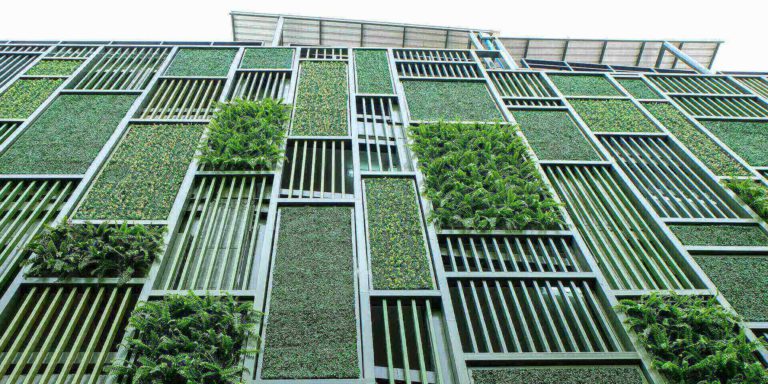
Green building materials reduce reliance on non-renewable resources and minimize pollution. For example, recycled metals or reclaimed wood cut down on deforestation and mining impacts. Additionally, eco-friendly insulation or solar-reflective roofing materials reduce energy demand, lowering greenhouse gas emissions.
Improved Indoor Air Quality
Many conventional paints, adhesives, and finishes release volatile organic compounds (VOCs), which harm indoor air quality. Green materials, such as low-VOC paints and natural flooring, create healthier indoor environments, reducing risks of respiratory issues and allergies.
Economic Benefits
While some green materials may initially cost more, they offer long-term savings through energy efficiency, durability, and reduced maintenance. Buildings constructed with green materials often command higher property values and attract eco-conscious tenants.
Enhanced Durability and Performance
Sustainable materials are designed to last longer and perform better. For example, recycled steel resists corrosion, while bamboo flooring is both strong and renewable. This ensures structures remain resilient, reducing replacement costs over time.
Real-World Examples of Green Building Materials
Bamboo Flooring and Structures
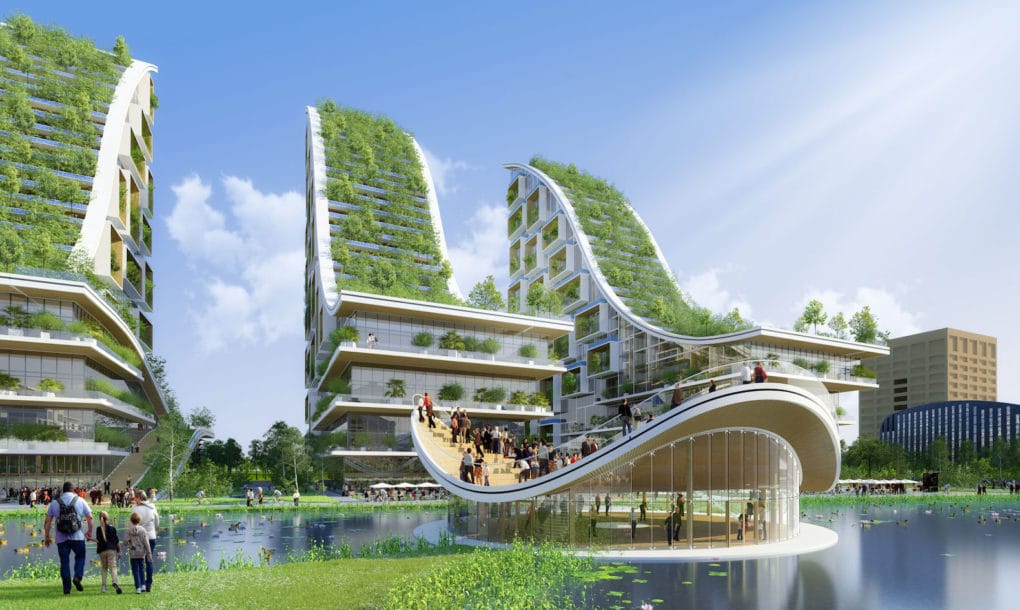
Bamboo is one of the fastest-growing renewable resources, making it a highly sustainable option. It is used for flooring, wall panels, and even structural applications. Its natural strength rivals that of traditional hardwoods, and its rapid regrowth cycle ensures minimal environmental impact.
In real-world projects across Asia and increasingly in Western markets, bamboo has replaced less sustainable hardwoods. Beyond being renewable, it adds aesthetic appeal with its unique grain and warm tones, making it both practical and visually appealing.
Recycled Steel
Steel is one of the most energy-intensive materials to produce, but recycled steel dramatically lowers its environmental footprint. It is commonly used in framing, roofing, and structural reinforcements.
Iconic projects like the Empire State Building retrofit incorporated recycled steel to reduce material waste and improve sustainability. Recycled steel offers the same durability and strength as virgin steel but with significantly reduced environmental costs.
Reclaimed Wood
Reclaimed wood from old barns, factories, or demolished buildings has become a staple in sustainable construction. It reduces the need for new lumber, preventing deforestation while adding unique character to projects.
In commercial and residential settings, reclaimed wood is often used for flooring, beams, and furniture. Its aged patina adds charm, while its reuse minimizes waste that would otherwise end up in landfills.
Low-VOC Paints and Finishes
Low-VOC paints are designed to limit the emission of harmful chemicals. These materials are essential for maintaining healthy indoor environments, particularly in schools, hospitals, and residential spaces.
Projects like LEED-certified office spaces often require low-VOC paints to meet certification criteria. These paints not only reduce harmful air pollutants but also improve comfort for occupants sensitive to chemical exposure.
Insulated Concrete Forms (ICFs)
Insulated Concrete Forms combine insulation and concrete into a single system, creating walls with superior energy efficiency and durability. They reduce heating and cooling demands, cutting energy bills significantly.
Residential and commercial projects in regions with extreme climates often use ICFs to enhance resilience. Their thermal performance ensures comfort while lowering energy consumption, making them an innovative green material solution.
Use Cases: How Green Building Materials Solve Real Problems

Reducing Energy Consumption
Green insulation materials such as cellulose or sheep’s wool significantly cut energy needs by improving thermal performance. This directly addresses high energy bills and climate-related challenges.
Preventing Resource Depletion
By using recycled or reclaimed materials, the demand for virgin resources like fresh timber and mined metals is reduced. This alleviates pressure on ecosystems and ensures more responsible use of finite resources.
Enhancing Human Health
Materials like natural flooring and low-VOC finishes directly address health concerns related to poor indoor air quality. In schools and hospitals, this creates safer environments for children and patients.
Building Climate Resilience
Durable materials like recycled steel and ICFs ensure buildings withstand extreme weather conditions. This helps communities adapt to increasing risks from climate change while reducing reconstruction costs.
The Role of Technology in Green Building Materials
Advancements in technology are enhancing the development and application of green building materials. Digital modeling and life cycle analysis allow architects to evaluate the environmental impact of different materials before construction begins.
Additionally, nanotechnology and biotechnology are producing new materials such as self-healing concrete and bio-based plastics. These innovations extend the lifespan of structures while reducing reliance on petroleum-based or high-energy production processes.
By integrating smart technologies, green materials are not only eco-friendly but also adaptable to modern design needs, further strengthening their role in the future of construction.
The Global Adoption of Green Building Materials
Countries around the world are embracing green materials as part of broader sustainability goals. Europe has implemented strict energy efficiency standards that drive the use of eco-friendly insulation, while Asia has expanded bamboo construction techniques.
In the United States, organizations such as the US Green Building Council promote the use of green building materials through the LEED certification system. This global adoption highlights the universal importance of sustainable materials in combating climate change and building resilient communities.
Future Trends in Green Building Materials
The future of green materials lies in innovation and circular economy principles. Expect to see more biodegradable materials, modular construction techniques, and materials designed for reuse.
As sustainability becomes central to building codes and consumer demand, the market for green materials will continue to grow. The emphasis will shift from minimizing harm to creating regenerative materials that restore natural ecosystems and enhance human well-being.
FAQs
1. What makes a material qualify as a green building material?
A green building material must be environmentally responsible throughout its life cycle, from production and use to disposal. This includes being renewable, recycled, non-toxic, energy-efficient, and durable.
2. Are green building materials more expensive than conventional ones?
Some green materials may cost more initially, but they often provide long-term savings through reduced energy consumption, durability, and lower maintenance costs. Their overall value typically outweighs a higher upfront investment.
3. How do green building materials contribute to healthier indoor environments?
Many green materials, such as low-VOC paints and natural flooring, reduce harmful emissions that affect indoor air quality. This creates safer, healthier environments that minimize risks of respiratory issues, allergies, and fatigue.