Green Architecture: Principles, Benefits, and Real-World Examples of Sustainable Design
Green architecture refers to the practice of designing buildings and environments that are environmentally responsible, resource-efficient, and healthy for occupants throughout their lifecycle. It is not limited to using eco-friendly materials; instead, it encompasses a holistic approach to planning, design, construction, and maintenance.
The central aim of green architecture is to reduce the negative environmental impact of buildings while creating functional, comfortable, and aesthetically pleasing spaces. This involves optimizing energy efficiency, conserving water, improving indoor air quality, and integrating natural ecosystems into architectural design.
Key Principles of Green Architecture
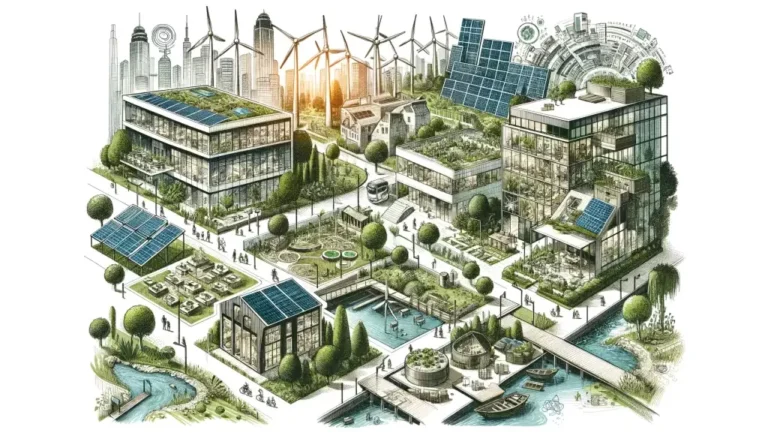
Several guiding principles shape green architecture. The first is energy efficiency. Buildings are designed to minimize energy use through insulation, natural ventilation, and renewable energy systems. Solar panels, energy-efficient windows, and smart systems are often included in green projects.
The second principle is sustainable material use. Architects favor materials that are renewable, recycled, or locally sourced. They also consider the lifecycle of each material, ensuring it contributes positively from production through disposal.
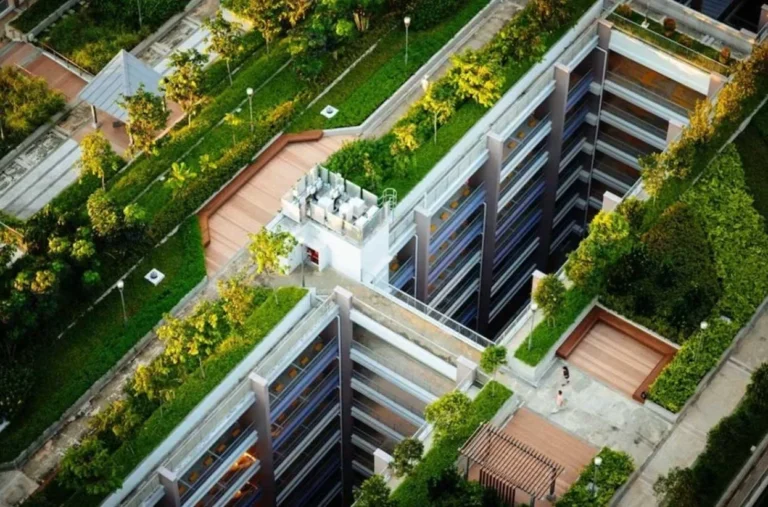
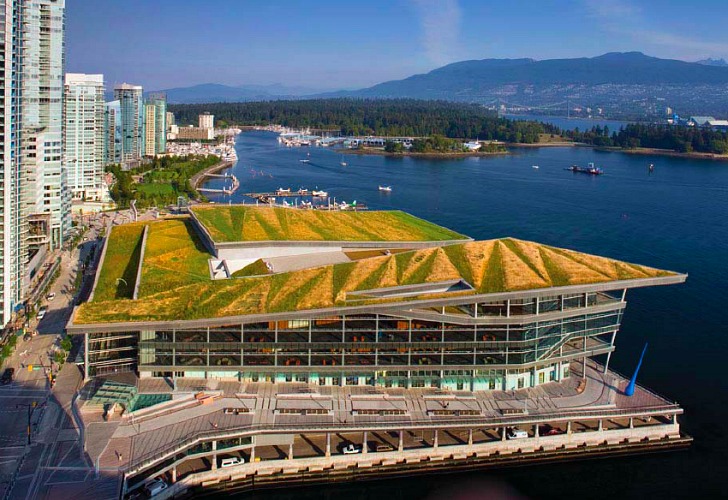
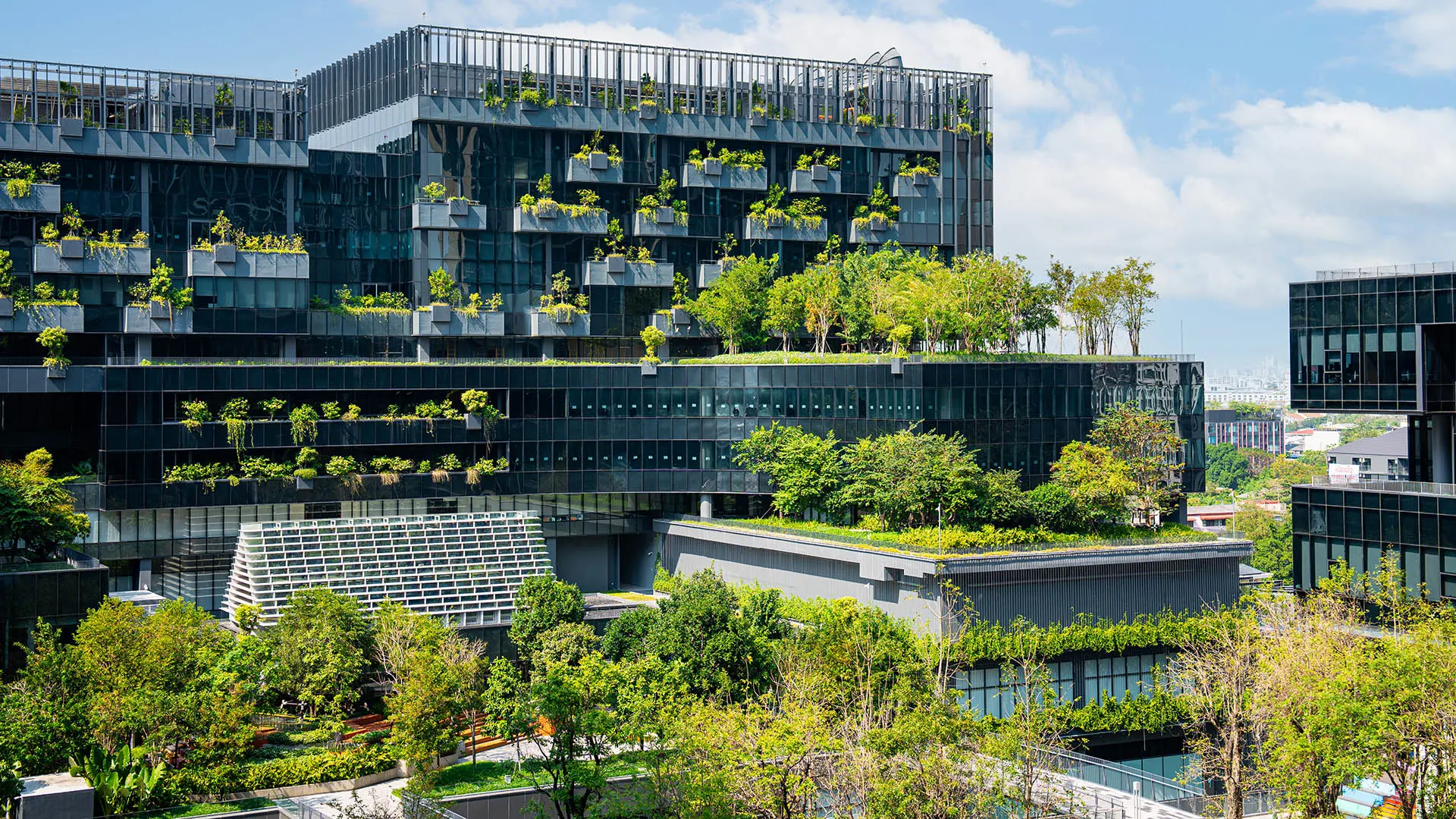
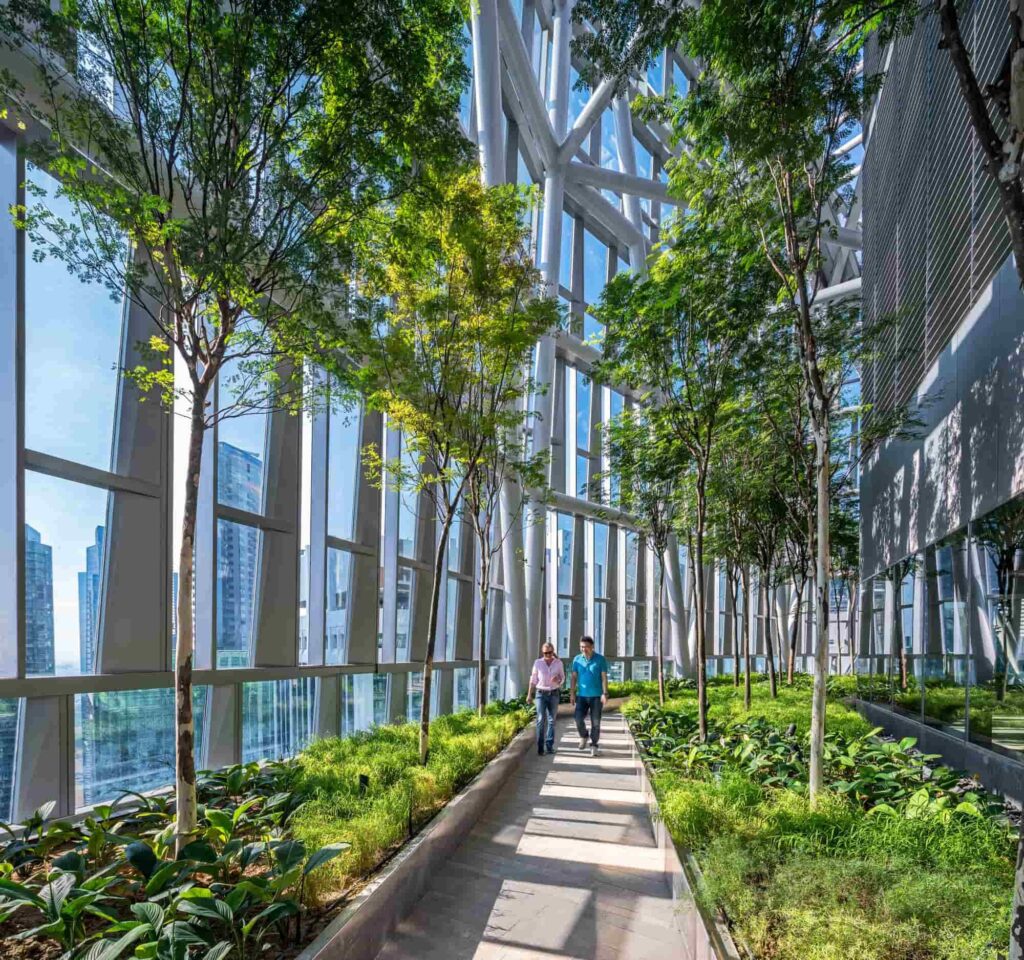
Water conservation is another key element. Green buildings often include rainwater harvesting systems, greywater recycling, and low-flow fixtures to reduce water waste. Finally, green architecture emphasizes harmony with nature by incorporating green roofs, vertical gardens, and landscaping that supports biodiversity.
Benefits of Green Architecture
Green architecture delivers extensive benefits for both people and the planet. Environmentally, it reduces greenhouse gas emissions, minimizes waste, and conserves natural resources. These factors play a crucial role in mitigating climate change and protecting ecosystems.
From an economic perspective, green buildings save money through energy and water efficiency, reduced maintenance, and increased durability. Property owners often benefit from higher building valuations and marketability because sustainable design is increasingly in demand.
Socially, green architecture enhances human well-being. Improved indoor air quality, natural lighting, and access to green spaces contribute to healthier, more productive occupants. Green architecture also supports community resilience by reducing heat islands, improving stormwater management, and creating safer, more livable urban environments.
Real-World Examples of Green Architecture
Bosco Verticale, Milan, Italy
Bosco Verticale, meaning “Vertical Forest,” is a pair of residential towers in Milan designed by Stefano Boeri Architects. Each building is covered with thousands of trees, shrubs, and plants integrated into the balconies. This project demonstrates how architecture can merge with nature to improve air quality and biodiversity in urban spaces.
The vegetation reduces noise, absorbs carbon dioxide, and provides natural insulation. Residents enjoy lower energy bills due to reduced heating and cooling needs. Bosco Verticale has become a model for sustainable high-rise living, inspiring similar projects worldwide.
The Bullitt Center, Seattle, USA
Often called the “greenest commercial building in the world,” the Bullitt Center sets a benchmark for sustainable office spaces. It features rooftop solar panels, composting toilets, rainwater harvesting, and advanced energy-efficient systems. The building generates as much energy as it consumes, achieving net-zero energy status.
The Bullitt Center also emphasizes durability, designed to last 250 years. By combining innovative technology with sustainable design, it proves that eco-friendly buildings can be both practical and commercially viable.
One Central Park, Sydney, Australia
One Central Park is a mixed-use development that features vertical gardens designed by botanist Patrick Blanc. Its innovative design integrates natural greenery with advanced engineering. The plants cover building facades, reducing heat absorption and improving insulation.
A central feature of the project is its cantilevered heliostat system, which reflects sunlight into shaded areas and apartments. This integration of natural systems with modern technology makes One Central Park a landmark in green urban design.
Khoo Teck Puat Hospital, Singapore
Khoo Teck Puat Hospital is renowned for its patient-centered green design. Gardens, water features, and natural ventilation create a healing environment that integrates healthcare with sustainability. The hospital uses energy-efficient systems, solar shading, and extensive greenery to reduce its carbon footprint.
This project highlights how green architecture improves well-being while conserving resources. Patients and staff benefit from access to natural light, greenery, and improved air circulation, demonstrating how sustainability directly enhances quality of life.
Edge Building, Amsterdam, Netherlands
The Edge, designed for Deloitte, is one of the most sustainable office buildings in the world. It uses smart technology to optimize energy use, including LED lighting powered by Ethernet and a comprehensive energy management system. The building generates renewable energy through solar panels and is highly energy-efficient.
Employees benefit from personalized workspaces, natural light, and smart controls that adapt to individual preferences. This project showcases the potential of combining digital innovation with sustainable design to create futuristic, eco-conscious workplaces.
Practical Use Cases of Green Architecture
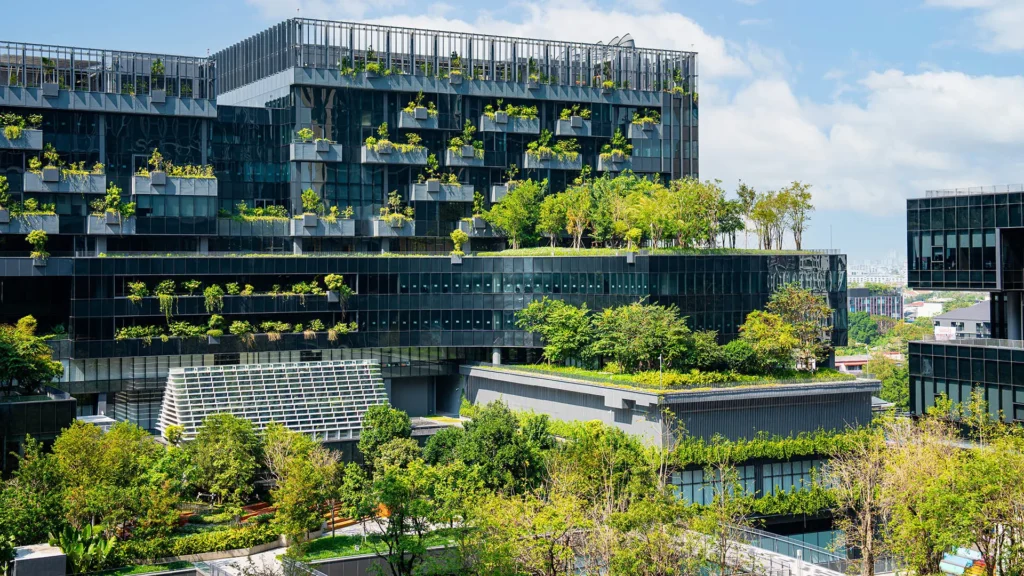
Green architecture addresses a range of real-world challenges. In densely populated cities, vertical gardens and green roofs mitigate urban heat islands, reduce air pollution, and provide residents with green spaces. These features improve urban livability while tackling environmental issues.
In regions with scarce water resources, buildings designed with rainwater harvesting and greywater recycling systems conserve water while maintaining functionality. Hospitals and schools benefit from improved indoor air quality and natural lighting, which enhance patient recovery and student performance.
For businesses, sustainable office buildings reduce operational costs and attract environmentally conscious employees and clients. By lowering utility bills and enhancing productivity, green architecture creates measurable economic value alongside environmental benefits.
Long-Term Advantages of Green Architecture
The long-term impacts of green architecture extend beyond individual buildings. At a community scale, sustainable design improves resilience to climate change, reduces energy dependence, and fosters healthier lifestyles. It supports urban development that balances growth with ecological preservation.
From a global perspective, widespread adoption of green architecture contributes significantly to international sustainability goals. By reducing emissions, conserving biodiversity, and promoting renewable energy use, green architecture plays a central role in shaping a sustainable future for generations to come.
Frequently Asked Questions
What is the main purpose of green architecture?
The main purpose of green architecture is to design buildings that minimize environmental impact while creating healthy, efficient, and comfortable spaces for occupants. It focuses on sustainability across energy, materials, water, and human well-being.
How does green architecture differ from traditional architecture?
Traditional architecture often prioritizes cost and functionality without considering long-term environmental impacts. Green architecture, on the other hand, integrates sustainability, efficiency, and harmony with nature into every stage of the building lifecycle.
Can green architecture be applied to existing buildings?
Yes. Existing buildings can be retrofitted with sustainable features such as energy-efficient lighting, green roofs, improved insulation, and water-saving systems. Retrofitting is a practical way to extend the life of older buildings while reducing their environmental footprint.