Google Home: Complete Guide, Benefits, and Real-World Examples
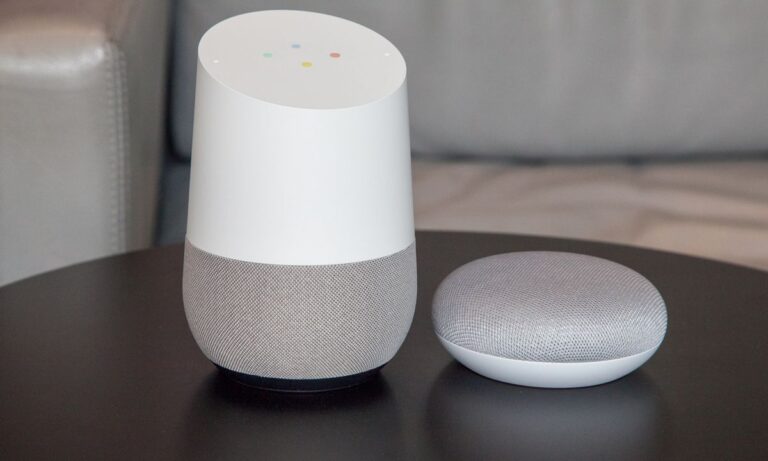
Google Home, part of the Google Nest ecosystem, has become one of the most recognizable smart home devices worldwide. Originally launched as a smart speaker powered by Google Assistant, it has since expanded into a comprehensive smart home platform that integrates entertainment, automation, and voice-controlled convenience.
At its core, Google Home enables users to interact with their living spaces using natural voice commands. From controlling lights and thermostats to playing music and managing schedules, it functions as both an assistant and a hub for smart devices. This seamless integration of technology into everyday life has made Google Home an essential part of modern households.
How Google Home Works
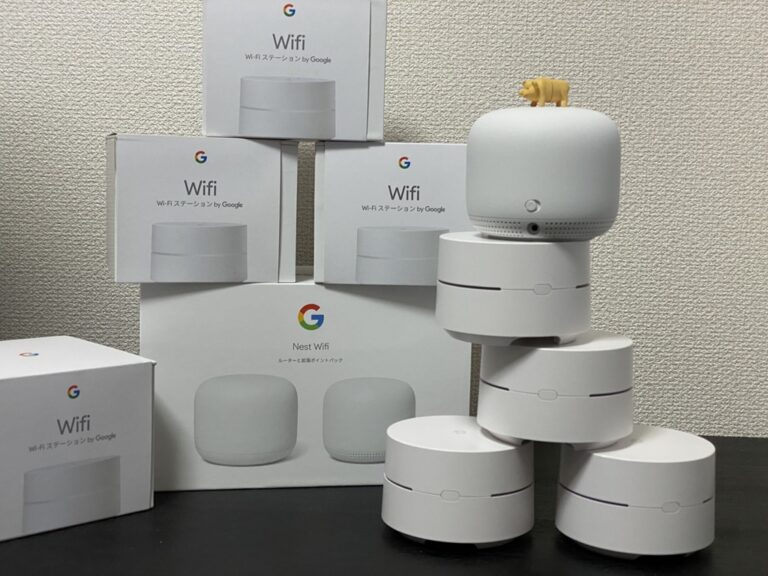
Google Home operates through Google Assistant, a voice-activated AI that processes commands and queries. By connecting to Wi-Fi, the device can access online services, stream music, manage calendars, answer questions, and integrate with other smart devices.
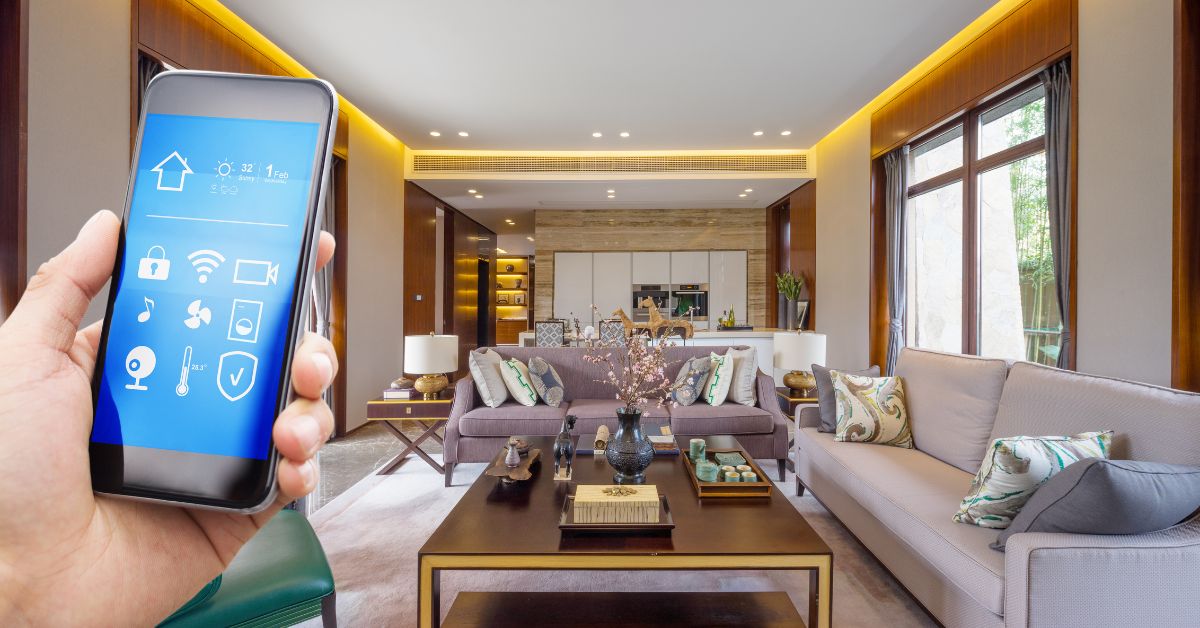
The Google Home ecosystem extends beyond the speaker itself. With the Google Home app, users can control multiple devices, set routines, and create a connected environment. For example, a command such as “Hey Google, good morning” can trigger lights to turn on, the thermostat to adjust, and the news to play automatically.
Integration is a defining feature. Google Home works with a wide variety of third-party devices, from smart lights and plugs to security systems and entertainment platforms. This compatibility ensures flexibility, making it a strong choice for households with diverse smart home needs.
Benefits of Google Home
Hands-Free Convenience
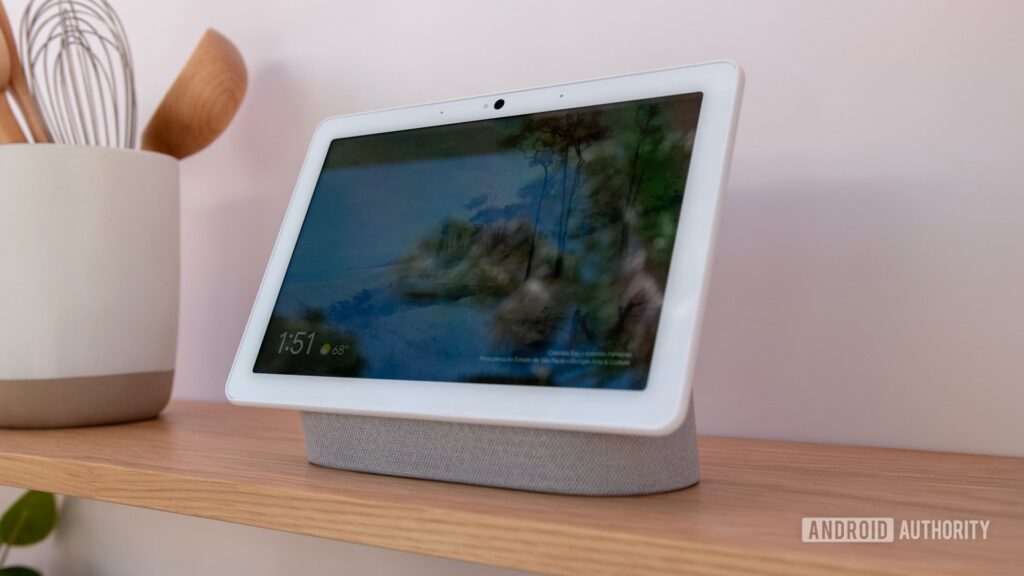
Google Home brings unparalleled convenience by allowing users to perform tasks without lifting a finger. With simple voice commands, you can play music, control smart lights, set reminders, or check the weather. This hands-free capability is especially useful in the kitchen, while working, or during busy routines.
The ability to multitask is a major advantage. While cooking, you can ask Google Home to convert measurements, set a timer, or read out a recipe, all without touching a screen. For families, this translates into time savings and smoother daily management.
Seamless Smart Home Integration
Google Home serves as the central hub for a connected home. Through Google Assistant and the Google Home app, it links devices from various manufacturers into a unified system. Whether it’s adjusting a Nest thermostat, dimming Philips Hue lights, or managing smart locks, everything can be controlled with a single voice command.
This integration goes beyond basic control. With routines, multiple actions can be automated at once. For instance, saying “Hey Google, movie night” could dim the lights, lower the blinds, and turn on the TV, creating the perfect setting instantly.
Entertainment and Media
Entertainment is one of Google Home’s standout features. With access to streaming platforms like Spotify, YouTube Music, Netflix, and YouTube, users can enjoy voice-controlled content without the need for remotes. The device can also cast media to TVs and speakers using Chromecast.
For families, this means easy access to music, podcasts, and video content across multiple rooms. The ability to link speakers for synchronized playback enhances the experience, creating a whole-home entertainment system.
Security and Peace of Mind
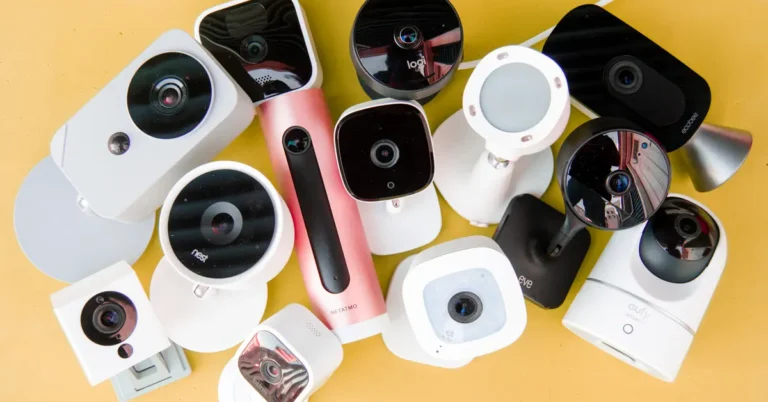
Google Home contributes to household security when integrated with smart cameras, video doorbells, and locks. Users can monitor entrances, check camera feeds via voice commands, and receive real-time alerts about unusual activity.
For example, asking “Hey Google, show me the front door” on a connected smart display provides instant visibility. This hands-free security management enhances peace of mind, particularly for parents and frequent travelers.
Real-World Examples of Google Home Devices
Example 1: Google Nest Hub
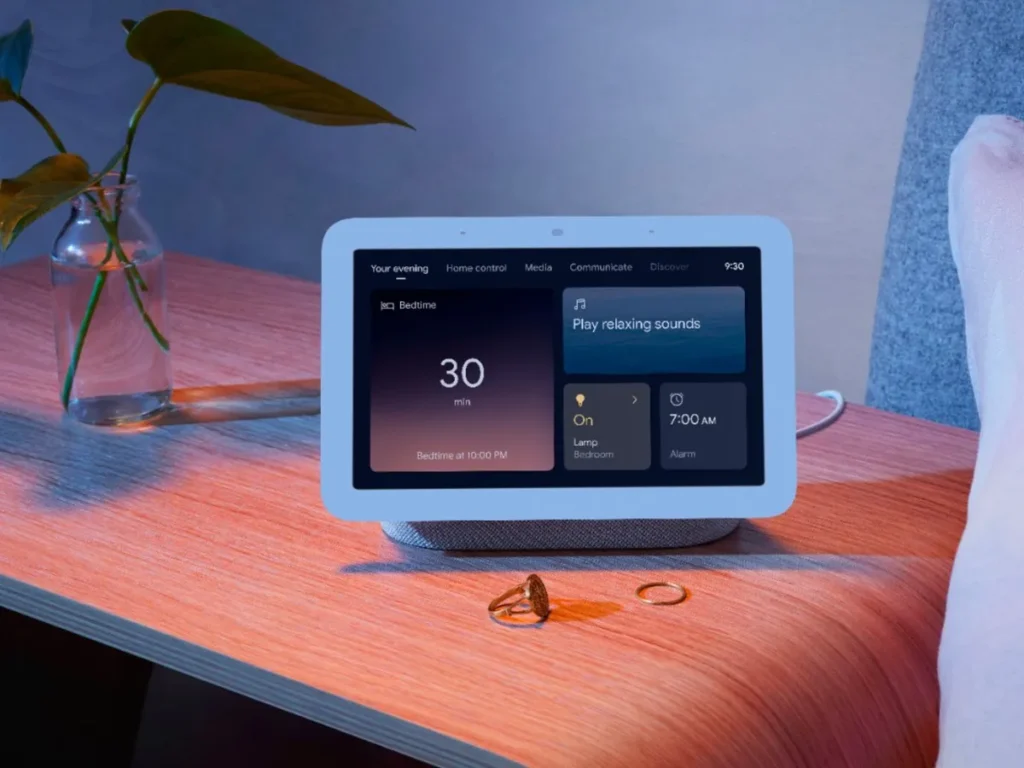
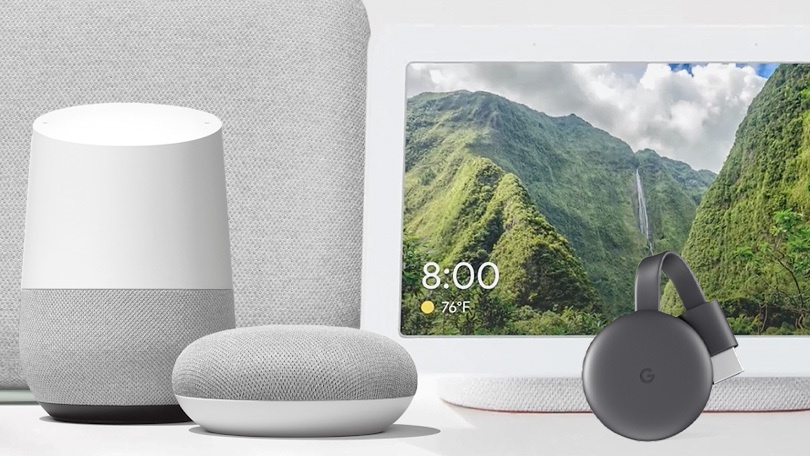
The Google Nest Hub combines a smart display with Google Assistant, offering both visual and voice interaction. It can display recipes, photos, schedules, and video content while responding to voice commands.
A family in San Francisco uses their Nest Hub as a central kitchen device. They rely on it to follow step-by-step cooking instructions, control smart lighting, and display shared calendars for family coordination. This demonstrates how Google Home devices can integrate seamlessly into daily routines.
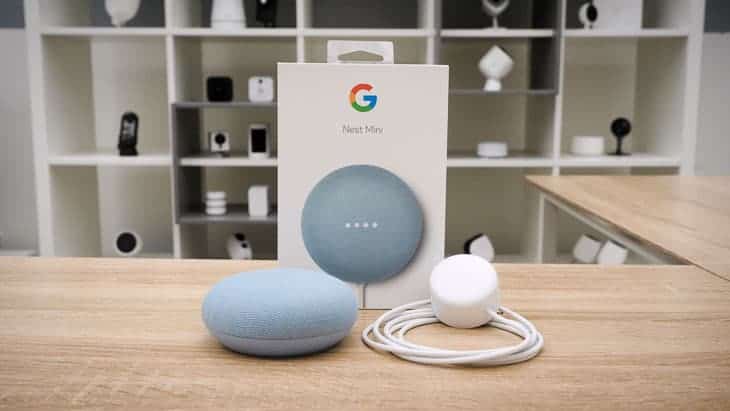
Example 2: Google Nest Mini
The Nest Mini, a compact smart speaker, is designed for affordability and accessibility. Despite its small size, it offers powerful sound and full Google Assistant functionality.
A college student in Boston uses the Nest Mini in their dorm room to control lights, play study playlists, and set reminders. Its affordability and ease of use make it a perfect entry point into the Google Home ecosystem.
Example 3: Google Nest Audio
For users who prioritize sound quality, the Nest Audio provides robust audio performance while maintaining full Google Assistant integration. It blends entertainment and smart functionality into one device.
A couple in Los Angeles uses Nest Audio speakers in their living room for both music streaming and controlling connected devices. The combination of high-quality audio and smart home features makes it a versatile addition to their household.
Example 4: Google Nest Doorbell
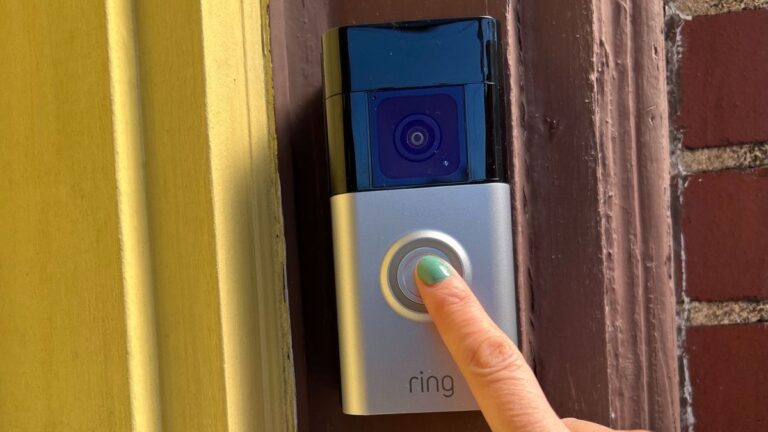
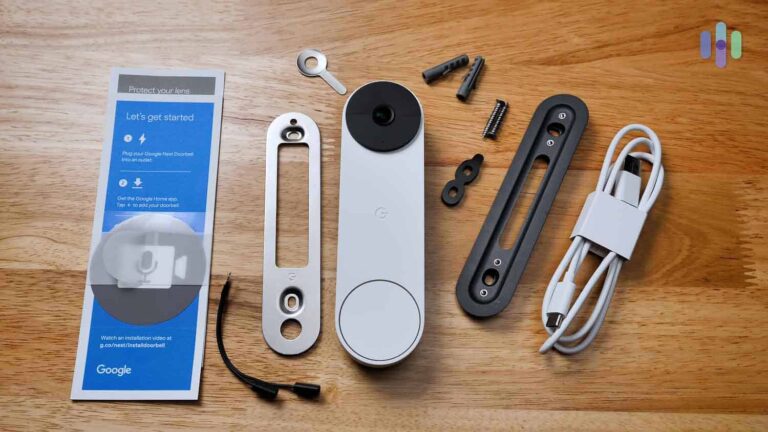
The Nest Doorbell integrates directly with Google Home, providing smart video monitoring at the front door. With motion detection, facial recognition, and live video streaming, it enhances household security.
A homeowner in New York relies on the Nest Doorbell to monitor package deliveries and communicate with visitors remotely. The integration with Google Home means alerts and feeds can be accessed instantly through smart displays or voice commands.
Example 5: Google Chromecast with Google TV
Chromecast with Google TV extends the Google Home ecosystem into the entertainment space. It allows users to stream content with voice commands and provides personalized recommendations based on viewing habits.
In a family home in Texas, Chromecast has become the centerpiece of movie nights. By combining it with smart lighting routines, the family creates an immersive cinema-like experience without needing multiple remotes or complicated setups.
Practical Use Cases of Google Home
Household Management and Routines
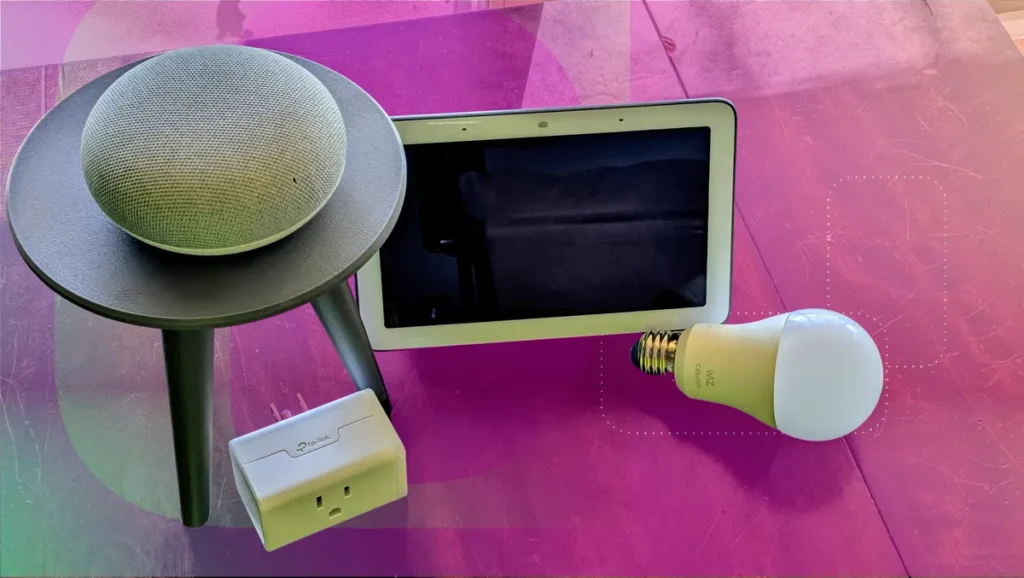
Google Home simplifies daily management by automating tasks. For instance, parents can set bedtime routines where lights dim, calming music plays, and smart plugs turn off electronics automatically. This consistency supports healthier habits and reduces stress.
Assistance for Busy Professionals
Professionals benefit from Google Home’s ability to manage calendars, set reminders, and provide traffic updates. Before leaving for work, a simple command can give an overview of the day’s schedule, weather, and commute times. This saves valuable time during morning routines.
Support for the Elderly and Accessibility
Google Home offers significant benefits for elderly users or those with mobility challenges. Voice commands allow them to control lights, adjust thermostats, or call family members without physical effort. This level of accessibility promotes independence and safety.
Remote Monitoring and Travel Support
For frequent travelers, Google Home provides peace of mind by managing security devices remotely. Real-time alerts about unusual activity, along with the ability to check cameras or control lights from anywhere, ensure that homes remain safe and energy-efficient.
Why Google Home Is Useful in Real Life
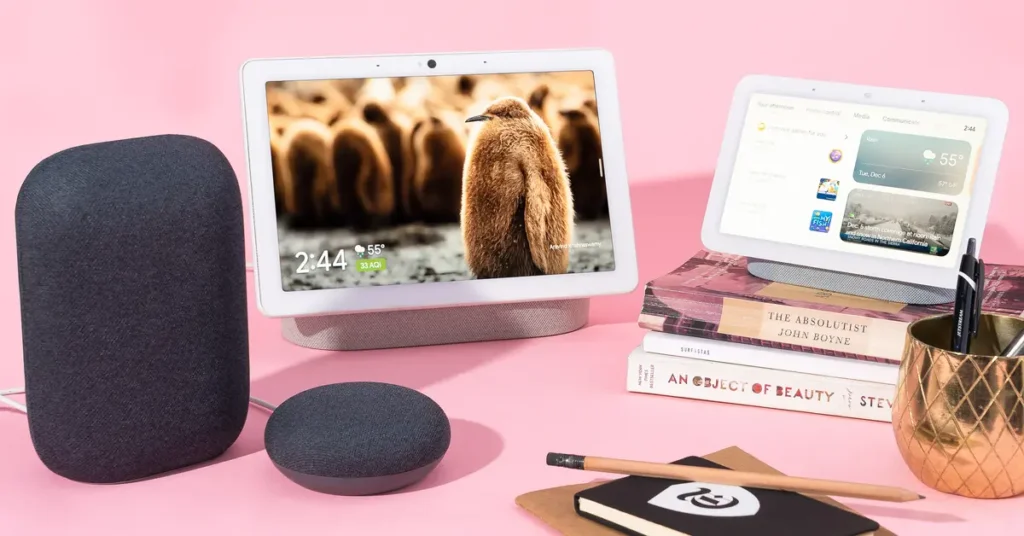
Google Home’s usefulness lies in its ability to combine practicality with innovation. It simplifies daily routines, saves time, enhances entertainment, and strengthens household security. For families, it brings shared experiences; for professionals, it streamlines productivity; and for elderly users, it improves accessibility and independence.
By functioning as both a voice assistant and a smart home hub, Google Home bridges the gap between technology and everyday needs. Its adaptability across lifestyles demonstrates why it has become one of the most popular smart home ecosystems globally.
Frequently Asked Questions
1. Does Google Home work with non-Google devices?
Yes. Google Home is compatible with thousands of third-party smart devices, including lighting, thermostats, plugs, and security systems. This flexibility makes it suitable for diverse households.
2. Can Google Home be used without Wi-Fi?
Most features require Wi-Fi, especially those related to voice commands, streaming, and smart device control. However, some limited local functions may still be available offline.
3. Is Google Home safe to use for privacy?
Google Home devices include privacy controls such as mute buttons and customizable data settings. Users can delete voice recordings, manage permissions, and review stored activity for added transparency.