Green Building Advisor: A Comprehensive Guide to Sustainable Construction Insights
The construction industry is undergoing a profound transformation as sustainability becomes a central priority. At the heart of this movement is the role of a green building advisor. These professionals act as guides, helping architects, builders, and homeowners make informed decisions about eco-friendly practices, materials, and energy-efficient technologies.
A green building advisor does more than recommend environmentally conscious products; they provide a roadmap for creating spaces that balance comfort, efficiency, and responsibility toward the planet. Their insights ensure that projects not only comply with building codes and sustainability certifications but also achieve long-term benefits for occupants and communities.
What Is a Green Building Advisor?

A green building advisor is a specialist who advises on sustainable construction strategies. Their expertise spans renewable energy integration, material selection, water conservation, and overall building performance optimization. They work with different stakeholders, from homeowners planning renovations to large developers seeking LEED or BREEAM certification.
The role is both technical and consultative. A green building advisor evaluates energy models, calculates lifecycle impacts of building materials, and suggests innovative systems that reduce waste and maximize efficiency. They act as the bridge between sustainability theory and practical construction solutions.
A Consultant Reviewing Green Building Plans.
An image of a consultant examining eco-friendly construction blueprints with solar panels and natural lighting designs would illustrate the central role of a green building advisor. They are often seen collaborating with engineers and architects to integrate sustainable features into the earliest stages of design.
Benefits of Working with a Green Building Advisor
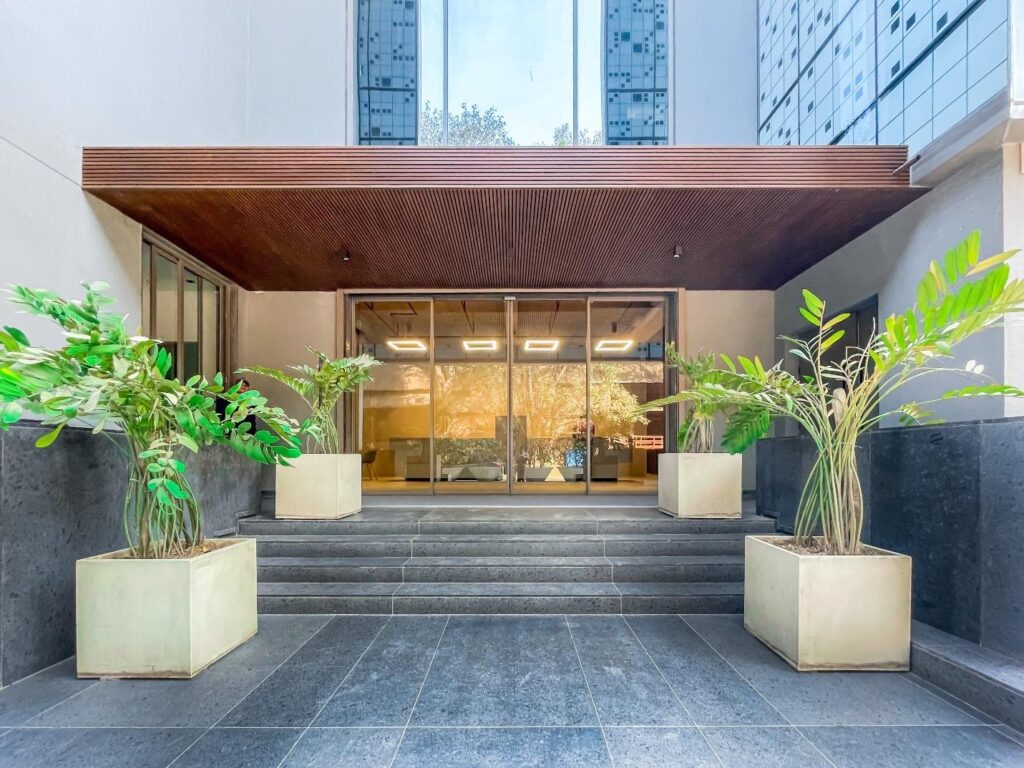
One of the greatest advantages of working with a green building advisor is the ability to maximize efficiency while minimizing environmental impact. They ensure that projects incorporate renewable energy, effective insulation, and advanced ventilation, all of which improve energy performance.
Another key benefit is long-term cost savings. Advisors identify solutions that reduce operational costs, from water-saving systems to passive heating and cooling designs. While the initial investment in green features may be higher, advisors provide clear cost-benefit analyses that reveal long-term value.
Beyond economics, advisors enhance occupant well-being. They recommend healthier materials with low volatile organic compound (VOC) emissions, natural daylighting strategies, and thermal comfort solutions. These measures create healthier environments that improve productivity and quality of life.
Real-World Examples of Green Building Advisor Impact
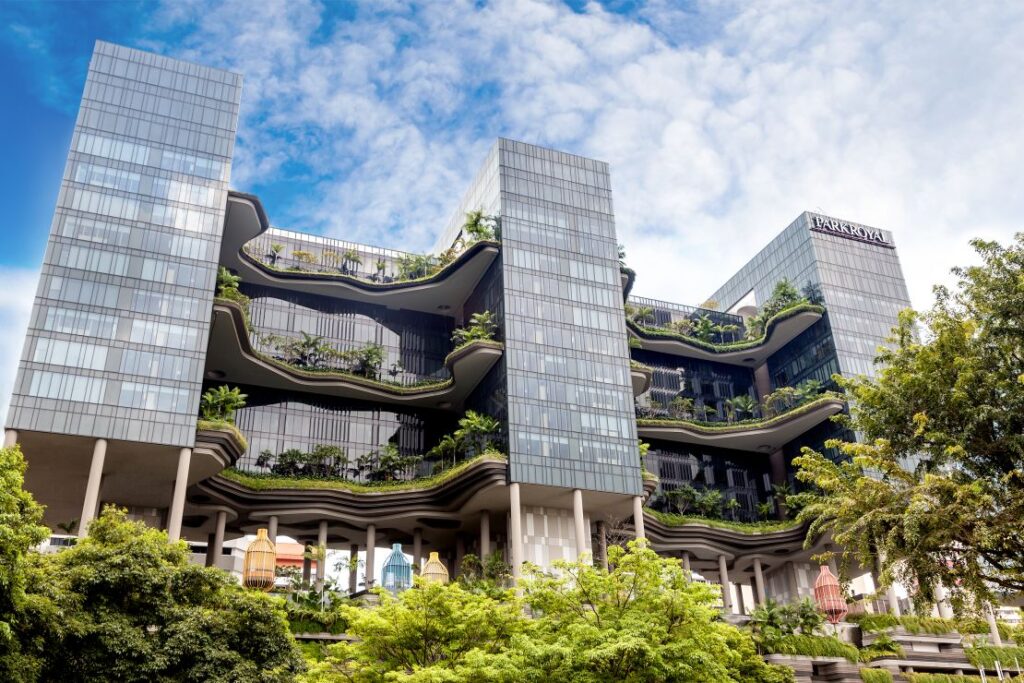
Bullitt Center in Seattle
The Bullitt Center, often called the greenest commercial building in the world, was guided by sustainability consultants and advisors. Its design incorporates solar power, rainwater harvesting, and composting systems to achieve net-zero energy performance.
Green building advisors played a vital role in aligning the building’s ambitious goals with practical engineering solutions. They ensured that energy demand matched renewable production, solving the problem of high carbon emissions in commercial buildings.
The Edge in Amsterdam
The Edge is one of the most sustainable office buildings globally, known for its energy-positive performance. Advisors collaborated with architects to implement smart systems that track occupancy, optimize lighting, and regulate temperature.
This example highlights how a green building advisor can harness technology for energy efficiency. By solving the issue of wasted energy in traditional office buildings, advisors helped create a model for smart, sustainable workplaces.
BedZED in London.
BedZED (Beddington Zero Energy Development) is a pioneering eco-village designed with strong input from sustainability advisors. Its energy-efficient homes rely on renewable materials, solar power, and water recycling systems.
Advisors ensured that each component, from building orientation to material use, supported zero-energy goals. Their role was crucial in addressing the challenges of urban housing costs while promoting sustainable lifestyles.
California Academy of Sciences in San Francisco.o
This landmark cultural building integrates a living roof, advanced ventilation systems, and natural lighting. Sustainability advisors were key in balancing architectural ambition with ecological responsibility.
They guided choices that reduced operational energy demand while maintaining functionality for a high-traffic public institution. Their expertise demonstrates how advisors can solve challenges unique to educational and cultural spaces.
Practical Advantages of Green Building Advisors in Construction
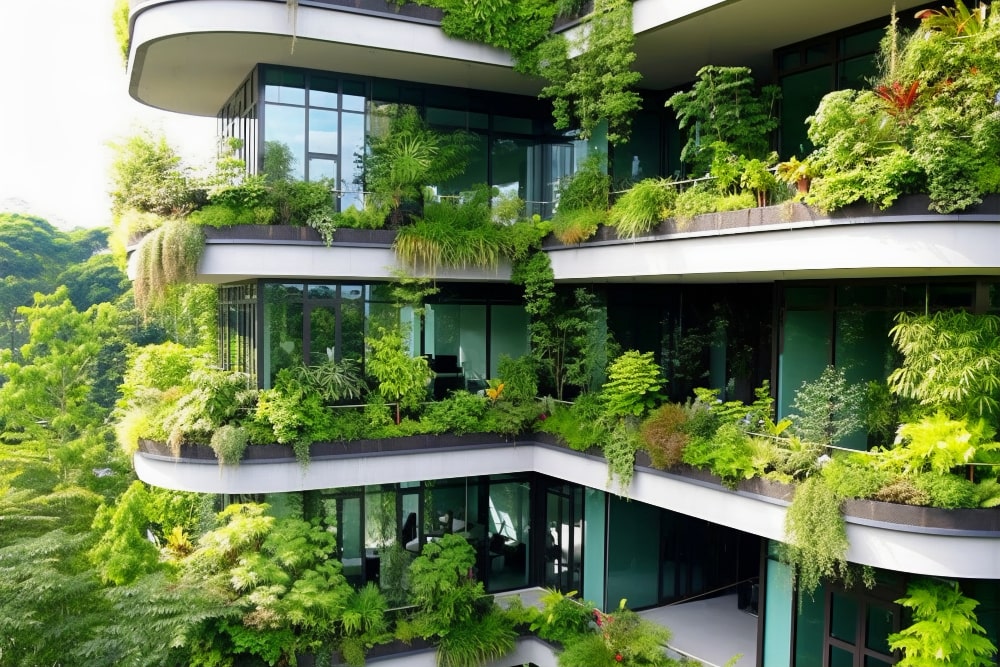
Green building advisors bring measurable advantages to construction projects. They act as problem-solvers who anticipate regulatory changes, ensuring projects meet evolving green building codes and certification requirements.
They also provide risk reduction by guiding sustainable material sourcing and lifecycle planning. Without their expertise, projects risk inefficiency, higher operational costs, or failure to achieve desired certifications. Ultimately, advisors empower stakeholders to make informed, sustainable choices that stand the test of time.
Use Cases: How Green Building Advisors Solve Real Problems
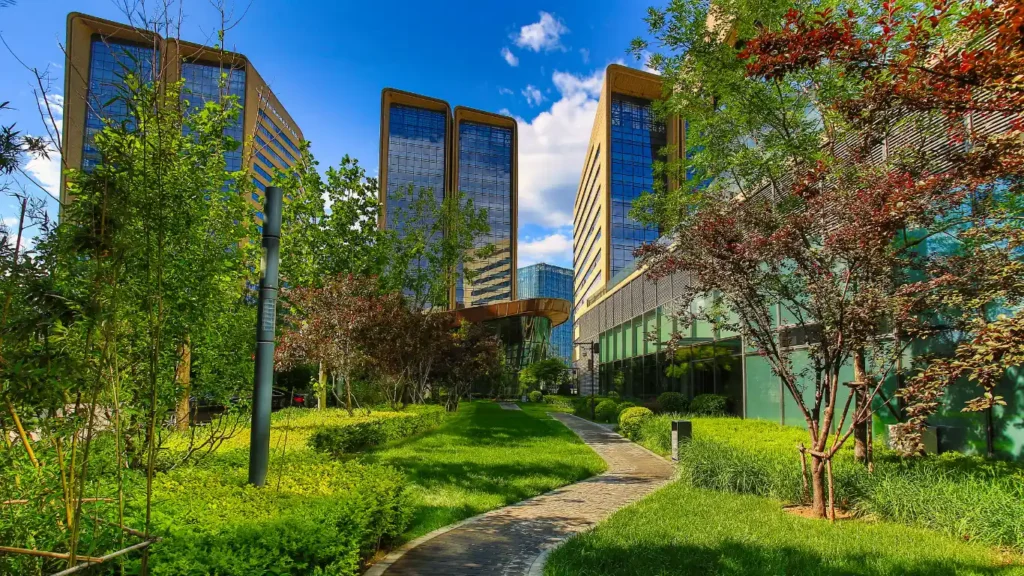
Addressing Rising Energy Costs
With utility expenses soaring worldwide, advisors design strategies for reducing energy dependence. By integrating solar panels, passive design, and smart building systems, they help property owners cut long-term energy bills.
Improving Urban Air Quality
Green building advisors often recommend designs that incorporate vegetation, low-emission materials, and improved ventilation systems. These solutions mitigate indoor and outdoor pollution in dense urban environments.
Supporting Resilient Communities
Advisors also focus on resilience against climate-related challenges such as flooding, heat waves, and power outages. By integrating renewable systems and water management, they ensure communities can thrive even in uncertain conditions.
Frequently Asked Questions
1. What qualifications does a green building advisor typically have?
Green building advisors often hold certifications such as LEED Accredited Professional (LEED AP) or equivalent credentials in sustainability. They combine technical knowledge with practical experience in energy modeling, construction, and environmental systems.
2. How early should a green building advisor be involved in a project?
Ideally, advisors should be brought in at the planning stage. Early involvement allows them to influence site selection, building orientation, and system integration for maximum efficiency.
3. Can a green building advisor help retrofit existing buildings?
Yes, advisors are highly valuable in retrofitting projects. They identify upgrades such as insulation improvements, renewable energy installations, and smart technologies that enhance the sustainability of older buildings.