Sustainable Building: A Complete Guide to Eco-Friendly Construction Practices
Sustainable building is no longer a niche trend but a global movement transforming the construction industry. With climate change and resource scarcity at the forefront of societal concerns, architects, builders, and governments are focusing on designing spaces that minimize environmental impact while maximizing efficiency.
At its core, sustainable building integrates eco-friendly materials, renewable energy technologies, and innovative design principles to create long-lasting, healthy, and efficient structures. The goal is to reduce carbon emissions, improve occupant well-being, and conserve resources without compromising comfort or functionality.
What Is Sustainable Building?
Sustainable building refers to the practice of designing, constructing, and maintaining structures in a way that respects environmental, social, and economic factors. Unlike conventional construction, which often prioritizes speed and cost over long-term impact, sustainable building emphasizes durability, efficiency, and ecological balance.
This practice includes using sustainable building materials, integrating renewable energy systems, and adopting water-efficient designs. Sustainable building is not just about environmental responsibility; it’s also about creating structures that are healthier for occupants and more resilient to future challenges such as energy scarcity and climate change.
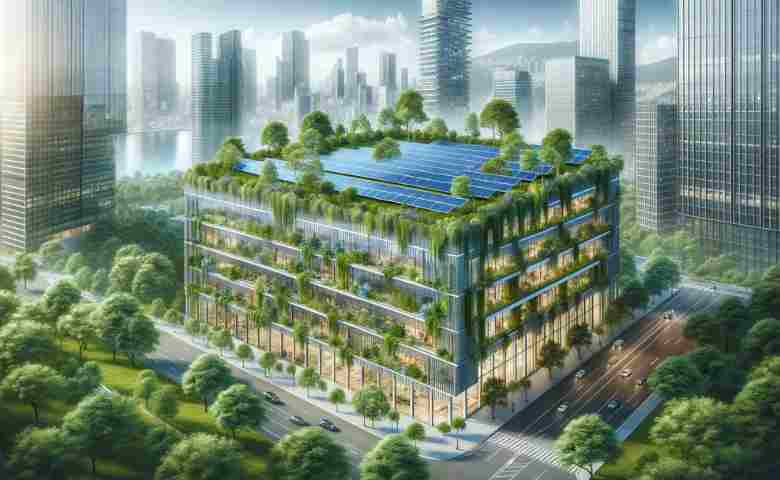
Modern Eco-Friendly Building with Solar Panels
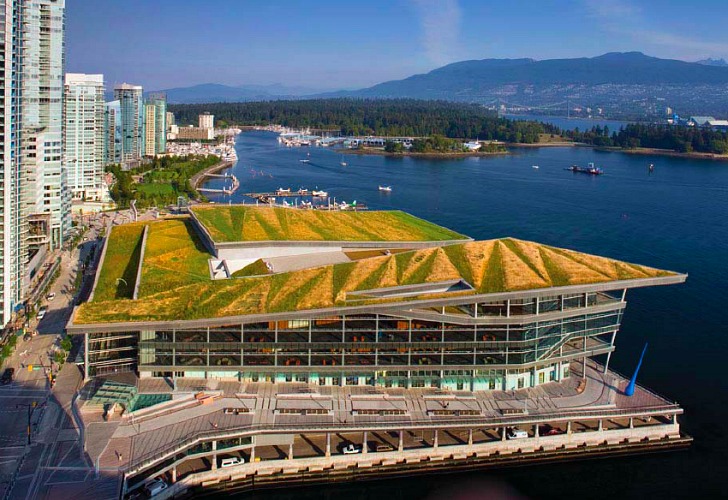
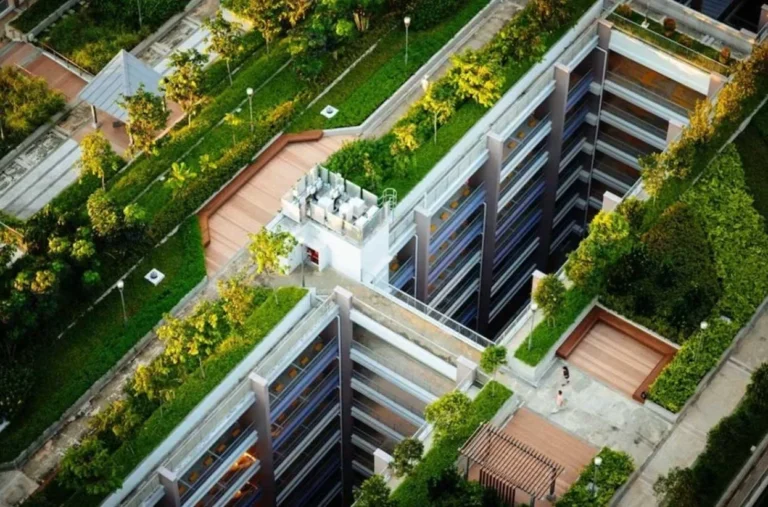
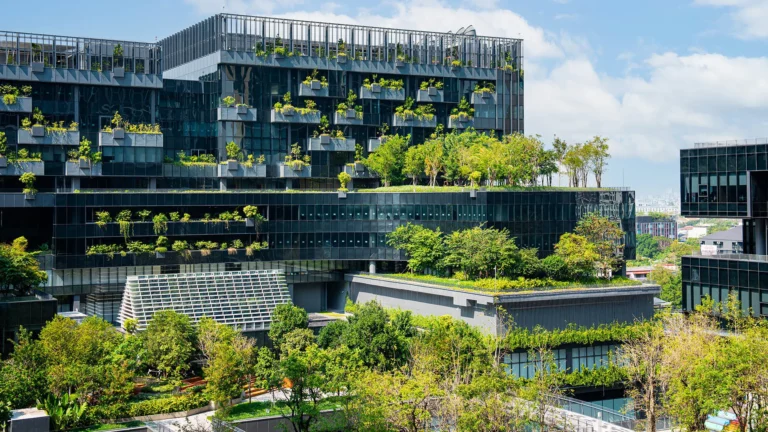
A striking image of a sustainable building often shows solar panels seamlessly integrated into its design, combined with green rooftops and natural ventilation systems. Such visuals represent the harmony between architecture and nature that sustainable building aims to achieve.
Benefits of Sustainable Building Technologies
The advantages of sustainable building extend far beyond reducing carbon footprints. One of the biggest benefits is energy efficiency. By incorporating renewable systems such as solar or geothermal energy, buildings drastically cut their dependence on non-renewable sources.
Another benefit lies in occupant health and comfort. Sustainable buildings use materials that emit fewer pollutants, improve indoor air quality, and optimize natural lighting. These features create healthier spaces that enhance productivity and overall well-being.
From an economic standpoint, sustainable building reduces long-term operational costs. Although initial investments may be higher, energy savings, reduced maintenance, and compliance with green certifications make these buildings financially advantageous in the long run.
Real-World Examples of Sustainable Building Applications
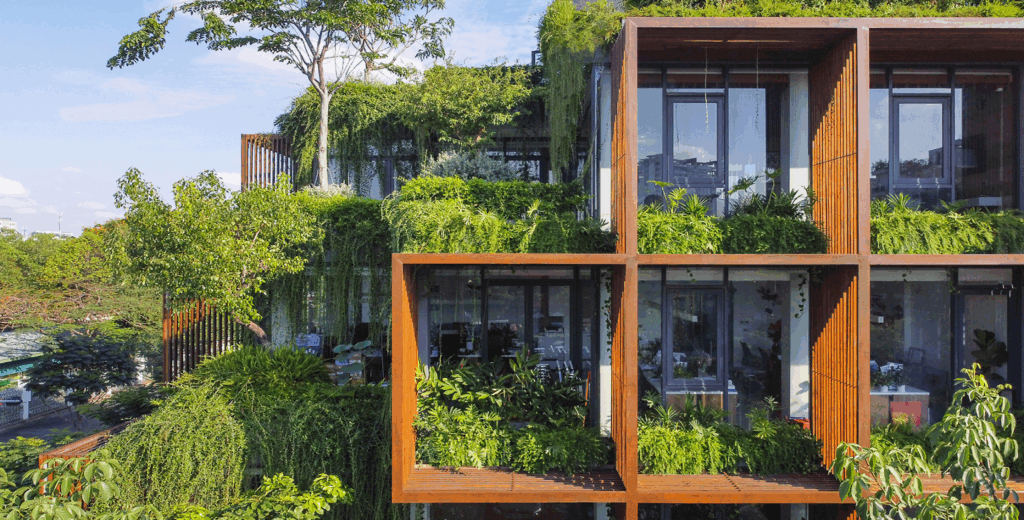
Bullitt Center in Seattle
The Bullitt Center in Seattle is often called the “greenest commercial building in the world.” Equipped with solar panels, rainwater collection systems, and composting toilets, it demonstrates how sustainable building practices can create self-sufficient structures.
This building shows how renewable energy and water management can be applied on a large scale. It addresses the problem of high energy consumption in office spaces and proves that commercial projects can operate with a net-zero environmental impact.
Bosco Verticale in Milan
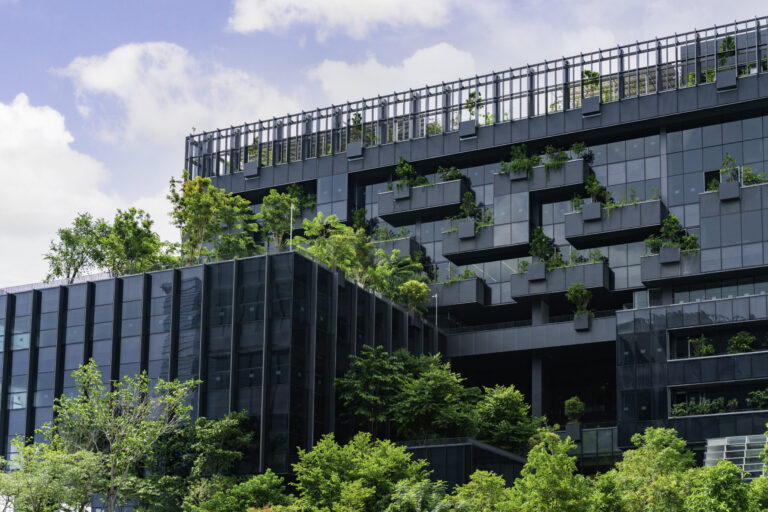
Bosco Verticale, or the Vertical Forest, in Milan, integrates thousands of trees and shrubs directly into its design. These plants absorb carbon dioxide, filter air pollutants, and provide natural insulation for residents.
The project highlights how biodiversity can be incorporated into urban construction. It solves the challenge of poor air quality and lack of greenery in cities, proving that sustainable building is about more than just energy; it’s also about improving ecosystems.
BedZED in London
BedZED (Beddington Zero Energy Development) in London is a sustainable housing project that uses renewable materials, solar panels, and water recycling systems. It is designed to reduce energy demand and encourage sustainable living practices among residents.
This example demonstrates how sustainable building can be scaled to residential communities. BedZED addresses the common issue of high utility bills in urban homes while fostering eco-conscious lifestyles.
California Academy of Sciences in San Francisco
This iconic building features a living green roof, natural lighting strategies, and advanced ventilation systems. The design drastically reduces energy demand and blends the structure seamlessly with its surrounding environment.
The California Academy of Sciences demonstrates how sustainable building can be applied to cultural and educational spaces. It solves the problem of high operational costs for public buildings while offering an inspiring architectural landmark.
Practical Advantages of Sustainable Building
Sustainable building provides tangible and long-lasting benefits. For communities, it reduces reliance on fossil fuels and promotes energy independence. For property owners, it ensures long-term savings through reduced operating costs and increased property value.
Additionally, sustainable buildings are more resilient to future challenges such as stricter environmental regulations and rising energy costs. By adopting these practices today, developers and occupants future-proof their investments while contributing positively to global sustainability goals.
Use Cases: How Sustainable Building Solves Real Problems
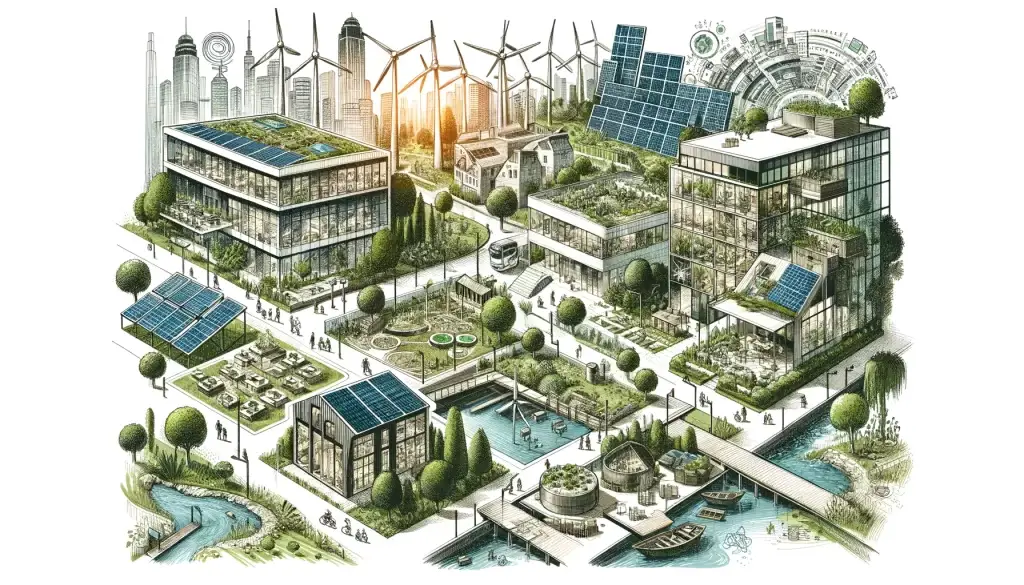
Reducing Energy Costs in Urban Areas
Urban environments consume significant energy. By integrating renewable technologies such as solar or wind energy into buildings, cities can drastically cut utility costs while lowering emissions.
Improving Health in Schools and Offices
Sustainable building practices improve indoor air quality, lighting, and ventilation. This directly enhances productivity in offices and learning outcomes in schools, solving the issue of unhealthy indoor environments.
Supporting Resilient Housing in Remote Communities
In remote areas where energy supply is unstable, sustainable building practices like rainwater harvesting, solar panels, and natural insulation provide self-sufficiency. This solves the challenge of unreliable infrastructure while improving living conditions.
Frequently Asked Questions
1. What is the main goal of sustainable building?
The primary goal is to reduce environmental impact while improving energy efficiency, occupant health, and long-term resilience of buildings.
2. Are sustainable buildings more expensive to construct?
They often require higher upfront costs, but long-term savings from lower energy bills, maintenance, and compliance with certifications usually outweigh initial expenses.
3. Can sustainable building be applied to existing structures?
Yes, retrofitting older buildings with renewable energy systems, insulation, and eco-friendly materials is a common and effective way to make them more sustainable.