LEED Certification: Complete Guide to Sustainable Building Standards
LEED certification, short for Leadership in Energy and Environmental Design, is one of the world’s most recognized sustainability rating systems for buildings. Developed by the U.S. Green Building Council (USGBC), it sets the standard for environmentally responsible construction and operations. Whether applied to new construction, interior fit-outs, or existing buildings, LEED certification provides a framework to improve energy efficiency, reduce carbon emissions, and enhance indoor environmental quality.
Over the past two decades, LEED has evolved into a benchmark for developers, architects, engineers, and building owners committed to creating high-performance, eco-conscious spaces. Its global adoption demonstrates the increasing demand for greener buildings that are both cost-effective and socially responsible.
What is LEED Certification and Why It Matters
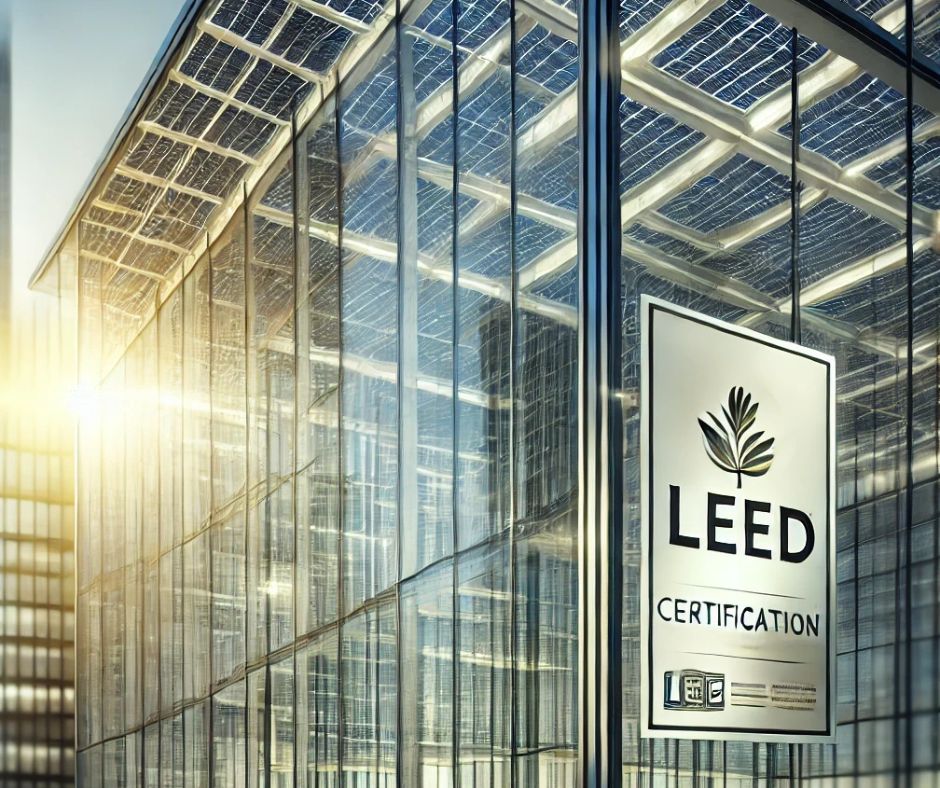
LEED certification evaluates buildings on multiple sustainability metrics, including water efficiency, energy use, materials selection, waste reduction, and indoor air quality. Projects earn points across different categories, and depending on their score, they receive one of four LEED rating levels: Certified, Silver, Gold, or Platinum.
The significance of LEED certification extends beyond environmental performance. It represents a commitment to sustainability that appeals to tenants, investors, and communities. By meeting rigorous standards, LEED-certified buildings often achieve higher occupancy rates, lower operational costs, and increased long-term value.
The Core Principles Behind LEED
LEED certification is built on a foundation of principles that ensure projects contribute positively to people and the planet. These include:
-
Sustainable site development: Protecting ecosystems, reducing heat island effects, and promoting responsible land use.
-
Water efficiency: Conserving potable water through innovative systems and landscaping strategies.
-
Energy and atmosphere: Improving energy performance, reducing emissions, and integrating renewable sources.
-
Materials and resources: Encouraging responsible sourcing, recycling, and waste minimization.
-
Indoor environmental quality: Enhancing occupant well-being with better air quality, lighting, and acoustics.
By prioritizing these categories, LEED-certified buildings demonstrate holistic sustainability rather than focusing on just one aspect.
Levels of LEED Certification
Projects earn LEED certification based on the number of points achieved in the rating system. The four levels are:
-
Certified (40–49 points): The entry-level recognition for sustainable practices.
-
Silver (50–59 points): A stronger commitment with higher energy and resource efficiency.
-
Gold (60–79 points): Advanced sustainable design and operations.
-
Platinum (80+ points): The highest level, showcasing exceptional innovation and performance.
Each level signals a higher degree of environmental and economic benefit, making LEED an attractive goal for developers aiming to stand out in a competitive real estate market.
Benefits of LEED Certification
Pursuing LEED certification provides multiple advantages for both building owners and occupants.
Environmental Benefits
LEED-certified buildings consume significantly less energy and water compared to traditional buildings. They also reduce greenhouse gas emissions by incorporating renewable energy sources, efficient HVAC systems, and sustainable materials.
Financial Benefits
While the initial cost of certification can be higher, LEED projects often deliver substantial financial returns over time. Reduced utility bills, higher rental income, and tax incentives make the investment worthwhile. LEED certification also increases property value by appealing to environmentally conscious tenants and buyers.
Social Benefits
People spend most of their lives indoors, and LEED-certified buildings prioritize health and well-being. Features such as improved ventilation, natural daylight, and low-VOC materials create healthier indoor environments that can boost productivity and satisfaction among occupants.
Real-World Examples of LEED Certification
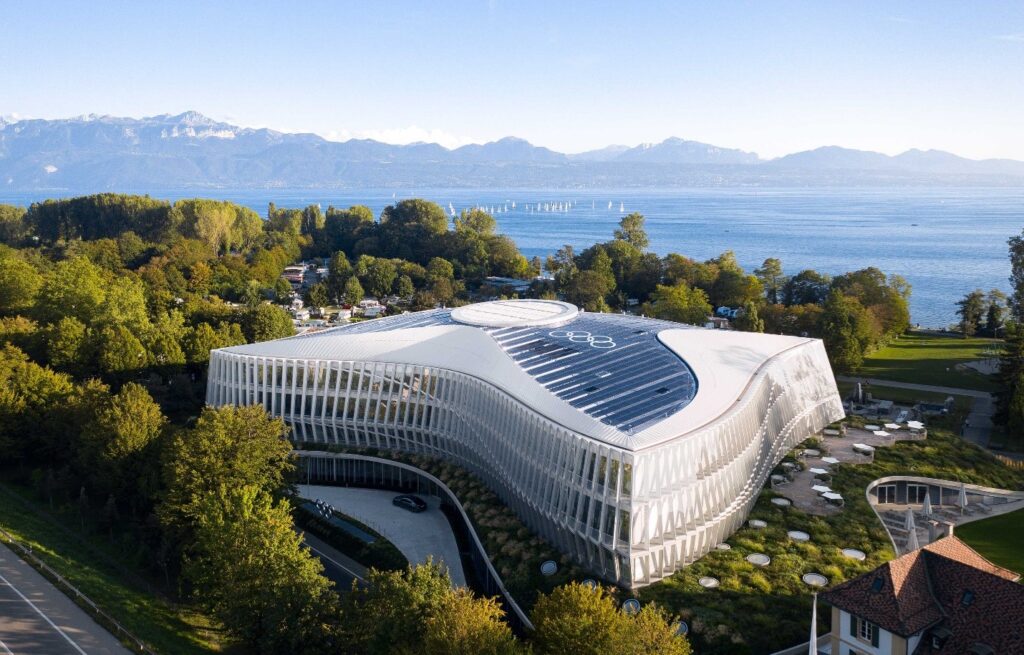
Example 1: Bank of America Tower, New York
The Bank of America Tower is one of the most well-known LEED Platinum-certified skyscrapers. Located in Manhattan, it incorporates advanced air filtration, rainwater harvesting, and energy-efficient glazing. The building exemplifies how large-scale commercial projects can balance sustainability with high performance.
Its innovative design not only reduced operating costs but also made it a benchmark for future urban skyscrapers aiming to meet LEED standards. The project highlights the importance of sustainable practices even in dense urban environments.
Example 2: The Bullitt Center, Seattle
Often called the “greenest commercial building in the world,” the Bullitt Center is a LEED Platinum-certified project that generates as much energy as it consumes. It features rooftop solar panels, composting toilets, and advanced water management systems.
The Bullitt Center is more than just a building; it is a living laboratory for sustainable design. Its success shows how developers can achieve net-zero energy performance while still delivering a comfortable, modern workspace.
Example 3: Taipei 101, Taiwan
One of the tallest skyscrapers in the world, Taipei 101, achieved LEED Platinum certification through a major retrofit. Its sustainable transformation included upgrades to HVAC systems, advanced energy monitoring, and water conservation measures.
The retrofit demonstrates how existing buildings, even large-scale landmarks, can transition toward sustainability. By integrating green technology, Taipei 101 became a global symbol of how LEED certification is not just for new builds but also for older, iconic structures.
Example 4: Phipps Conservatory and Botanical Gardens, Pittsburgh
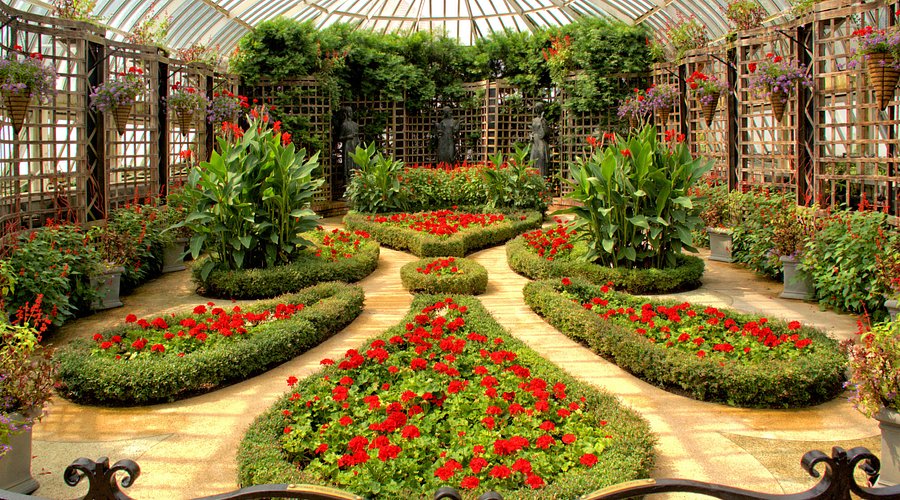
Phipps Conservatory achieved multiple LEED certifications across different facilities, including Platinum ratings. Its designs incorporate solar energy, sustainable landscaping, and passive building strategies.
The project highlights how cultural and educational institutions can embrace LEED certification. It serves as a model for how sustainability can integrate into public spaces, benefiting both the environment and the community.
Technology’s Role in Achieving LEED Certification
Advancements in technology make it easier for projects to meet LEED requirements. Smart energy management systems allow real-time monitoring of electricity, water, and HVAC use, helping buildings adjust for efficiency. Building Information Modeling (BIM) also plays a critical role, enabling architects and engineers to design with sustainability in mind from the very beginning.
Sensor-based lighting, renewable energy integration, and AI-powered predictive maintenance further enhance performance. These technologies ensure that buildings not only achieve certification but also maintain high efficiency over their lifespan.
Use Cases and Practical Applications of LEED Certification

Reducing Operating Costs for Businesses
Commercial property owners face high operational costs, particularly with energy and water. LEED-certified systems reduce consumption, helping businesses save significantly on utilities. This advantage directly improves profitability.
Creating Healthier Living Spaces
For residential developments, LEED certification ensures healthier environments. By reducing exposure to toxins and improving air quality, these buildings support the well-being of residents. Families benefit from safer and more comfortable living spaces.
Enhancing Urban Development
Cities adopting LEED-certified public buildings demonstrate leadership in sustainability. Schools, libraries, and municipal centers certified under LEED become role models for communities, inspiring further eco-friendly development.
Future-Proofing Properties
With increasing environmental regulations worldwide, LEED-certified buildings are more resilient to upcoming standards. Owners benefit from future-proof investments that comply with evolving sustainability policies.
Frequently Asked Questions
1. What does LEED certification stand for?
LEED stands for Leadership in Energy and Environmental Design. It is a rating system developed by the U.S. Green Building Council to encourage and recognize sustainable building practices worldwide.
2. How long does it take to get LEED certification?
The timeline varies depending on project size, scope, and complexity. On average, certification may take several months to over a year, depending on documentation and review processes.
3. Is LEED certification only for new buildings?
No, LEED applies to new construction, existing building retrofits, and even interior spaces. Many older buildings, like Taipei 101, have successfully achieved certification through sustainable upgrades.