Google Nest Thermostat: Complete Guide, Benefits, and Real-World Use Cases
The Google Nest Thermostat is one of the most popular and advanced smart home devices designed to improve comfort and energy efficiency. Acting as a central control point for heating and cooling systems, it helps homeowners manage indoor temperatures intelligently while reducing wasted energy. Unlike traditional thermostats, the Nest Thermostat combines sleek design with cutting-edge technology that adapts to user behavior and changing environments.
Developed as part of the Google Nest family of smart devices, the thermostat has quickly become a household name in energy management. It uses sensors, artificial intelligence, and connectivity features to optimize comfort without sacrificing efficiency. With its ability to learn your schedule, monitor occupancy, and adjust temperatures automatically, the Nest Thermostat has set the benchmark for smart climate control solutions in modern homes.
How the Google Nest Thermostat Works

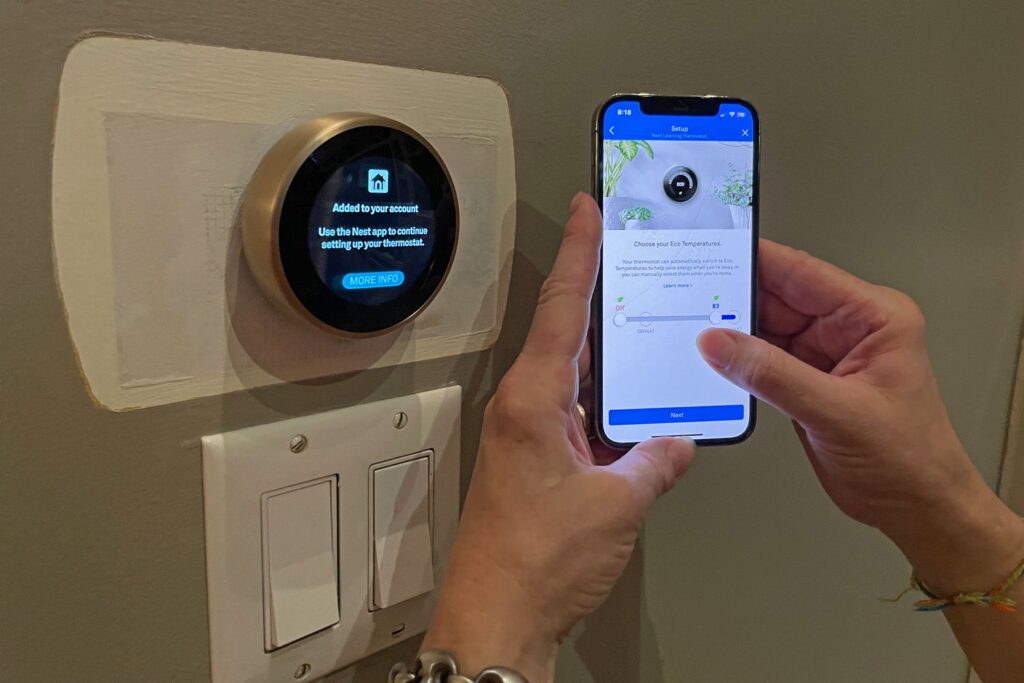
At its core, the Nest Thermostat connects to a home’s HVAC (heating, ventilation, and air conditioning) system. It uses Wi-Fi to integrate with the Google Home app, enabling users to control the temperature from their smartphone or through voice commands with Google Assistant.
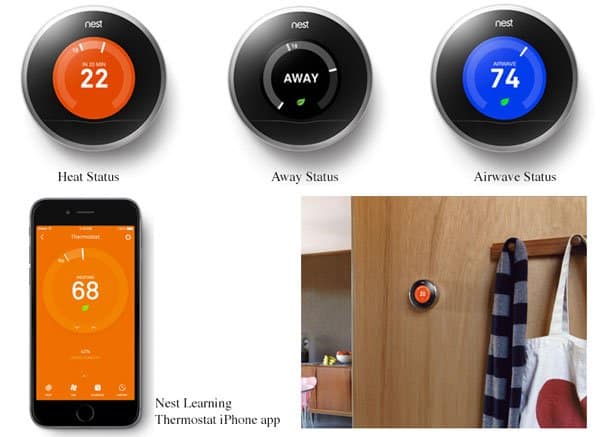
What sets it apart is its learning capability. Over time, it observes your daily routines—when you wake up, leave the house, or go to bed and creates a personalized schedule to match. The thermostat also uses motion and proximity sensors to detect if someone is home, ensuring energy is not wasted when the house is empty.
Another advanced feature is geofencing. By tracking your smartphone’s location, the thermostat can adjust temperatures automatically when you are away or returning home. Combined with energy usage reports and eco-friendly modes, the Google Nest Thermostat goes beyond simple temperature control to deliver a smarter, more sustainable way of managing home energy.
Benefits of Using the Google Nest Thermostat
Energy Efficiency and Cost Savings
One of the greatest advantages of the Nest Thermostat is its ability to reduce energy consumption. By learning household patterns and making real-time adjustments, it minimizes wasted heating and cooling. Studies have shown that users can save up to 10–15% on energy bills annually, making it a practical investment that pays for itself over time.
The system also provides monthly energy reports, helping homeowners track usage patterns and find new ways to save. With eco modes, the thermostat encourages efficient energy use without compromising comfort.
Convenience and Smart Control
The Nest Thermostat eliminates the need for constant manual adjustments. With voice commands or app control, you can change settings instantly, whether you’re at home or on the go. Integration with Google Assistant and other smart home ecosystems makes the experience seamless.
For example, you can say, “Hey Google, set the temperature to 72 degrees,” and the thermostat responds immediately. This level of convenience ensures your home environment always matches your preferences without extra effort.
Enhanced Comfort and Customization
Beyond energy efficiency, the Nest Thermostat enhances overall comfort. By creating personalized schedules and adapting to changing seasons, you ensure your home always maintains an ideal temperature. Whether it’s warming up the house before you wake or cooling it down before bedtime, the system anticipates your needs.
Additionally, its sensors allow for room-based adjustments, so comfort is distributed more effectively throughout the home. The focus is not just on saving energy but also on improving daily living conditions.
Eco-Friendly Lifestyle
For environmentally conscious homeowners, the Nest Thermostat offers a path toward greener living. By lowering unnecessary energy consumption and supporting renewable energy programs, it reduces the household’s carbon footprint. This aligns with broader sustainability goals while providing financial and lifestyle benefits.
Real-World Examples of Google Nest Thermostat in Action
Example 1: Family Home in a Cold Climate
In Minnesota, a family installed the Google Nest Thermostat to better manage heating costs during harsh winters. The thermostat learned their daily routine, adjusting temperatures at night and while the house was empty during work hours. Over the first winter, the family reported a 12% reduction in heating bills, without sacrificing warmth. The thermostat’s ability to pre-heat the home before the family arrived created both comfort and savings.
Example 2: Young Professional in a City Apartment
A professional living in a New York apartment used the Nest Thermostat primarily for convenience. With an unpredictable schedule, they relied on the geofencing feature to manage heating and cooling. Whenever they left for work or traveled, the thermostat switched to eco mode, ensuring no energy was wasted. By the end of the year, the Nest Thermostat not only reduced bills but also provided effortless climate control that fit their busy lifestyle.
Example 3: Elderly Couple Focused on Accessibility
For an elderly couple in Florida, accessibility was the main advantage of installing a Nest Thermostat. The ability to control the system using voice commands meant they no longer had to adjust wall-mounted devices manually. The couple also appreciated the energy reports, which gave them insights into energy consumption patterns. This made them feel more in control of their home environment while enjoying greater comfort and ease.
Example 4: Environmentally Conscious Household
A family in California, committed to sustainable living, integrated their Nest Thermostat with solar panels. By coordinating energy production and usage, the thermostat ensured heating and cooling demands matched renewable energy availability. This integration not only reduced reliance on the grid but also supported the family’s long-term sustainability goals. The Nest Thermostat became an essential tool in their eco-friendly lifestyle.
Practical Use Cases of Google Nest Thermostat
Managing Energy in Large Homes
For larger homes, the Nest Thermostat plays a crucial role in balancing heating and cooling across multiple rooms. Its smart scheduling and zoning capabilities allow homeowners to maintain comfort in different areas while avoiding unnecessary energy waste.
Remote Monitoring for Frequent Travelers
For those who travel often, the Nest Thermostat provides peace of mind by enabling remote control. Users can check in from anywhere, adjust temperatures, and monitor energy usage. This ensures energy isn’t wasted while the home is empty and comfort is restored before returning.
Accessibility for Elderly or Disabled Residents
The device simplifies temperature management for individuals who may struggle with traditional thermostats. Voice control and smartphone access make it easier for elderly or disabled residents to live independently while enjoying a comfortable home environment.
Seasonal Adaptability
As seasons change, the thermostat automatically adjusts schedules and energy usage. This ensures efficiency and comfort year-round, without the need for manual intervention. It adapts to weather patterns seamlessly, taking the stress out of seasonal adjustments.
Why the Google Nest Thermostat is Useful in Real Life
The usefulness of the Google Nest Thermostat lies in its ability to solve everyday challenges. It reduces energy costs, enhances comfort, simplifies household management, and supports eco-friendly living. By combining advanced technology with practical design, it addresses real-world needs across different lifestyles.
From busy professionals to families and retirees, the thermostat provides solutions tailored to unique circumstances. Its adaptability makes it one of the most valuable smart home devices available today.
Frequently Asked Questions
1. Does the Google Nest Thermostat work without Wi-Fi?
Yes, the thermostat can still control your HVAC system manually without Wi-Fi. However, advanced features like remote access, schedules, and energy reports require an internet connection.
2. Can the Google Nest Thermostat work with all heating and cooling systems?
The Nest Thermostat is compatible with most standard HVAC systems. However, homeowners should check compatibility with their specific setup before installation.
3. How much energy can the Nest Thermostat save annually?
On average, users report savings of 10–15% on heating and cooling costs annually. Actual savings depend on home size, climate, and user habits.