Solar Panel Cost: Complete Guide to Prices, Benefits, and Real-World Applications
The cost of solar panels has become a central topic in the global shift toward renewable energy. For many homeowners and businesses, understanding the financial aspects of solar is crucial before deciding to invest in the technology. While costs have dropped significantly in recent years, the price of solar panels still varies depending on installation size, equipment type, and location.
Analyzing solar panel cost is not only about the upfront expense; it’s also about long-term value. Solar panels are an investment that pays back through energy savings, reduced utility bills, and even potential grid contributions. When considering solar energy adoption, a detailed understanding of costs helps individuals and organizations make informed decisions.
Factors That Influence Solar Panel Cost
Several elements affect the total cost of installing solar panels. The first factor is system size. Larger systems with higher capacity naturally cost more upfront but can deliver greater long-term savings. The second factor is panel efficiency and quality. High-efficiency panels tend to be more expensive, but they generate more electricity in smaller spaces, making them valuable for rooftops with limited area.
Another factor is installation complexity. Homes with angled roofs, shading issues, or structural challenges may require additional equipment and labor, driving costs higher. Location also plays a significant role, as labor rates, permitting fees, and local solar incentives can vary widely. These factors combined determine the overall cost structure for solar panels.
Benefits of Solar Panels Beyond Cost
When analyzing solar panel cost, it’s important to consider the broader benefits. One of the greatest advantages is energy independence. By generating their own electricity, homeowners reduce dependence on utility providers and protect themselves from rising energy prices.
Another major benefit is environmental sustainability. The adoption of solar panels directly reduces greenhouse gas emissions, helping to combat climate change and promote cleaner air. Beyond environmental impact, solar panels also increase property value. Homes equipped with solar systems often sell at higher prices and attract environmentally conscious buyers, making solar not just a cost-saving measure but also a property investment.
Real-World Examples of Solar Panel Costs and Applications
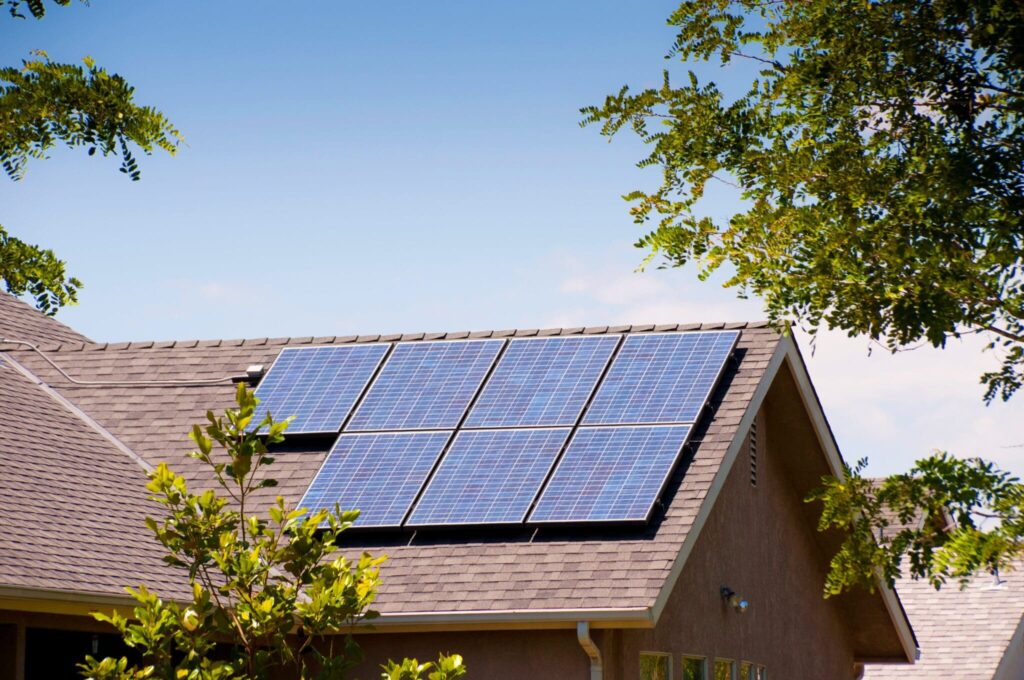
Residential Rooftop Solar Panels
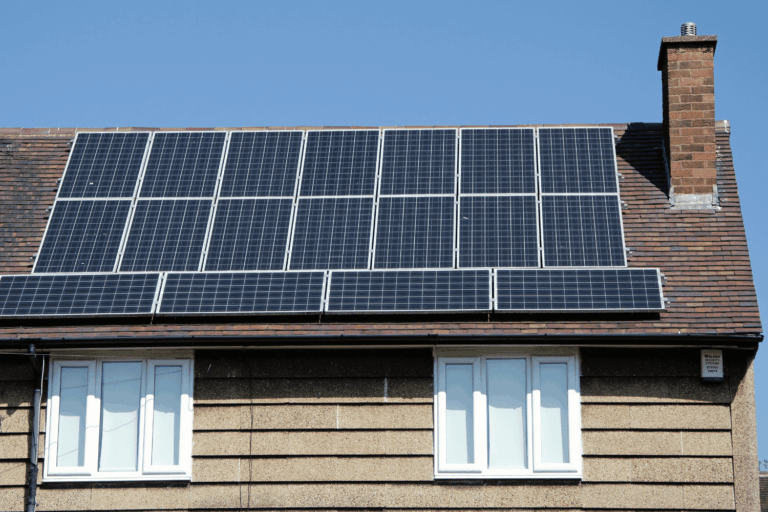
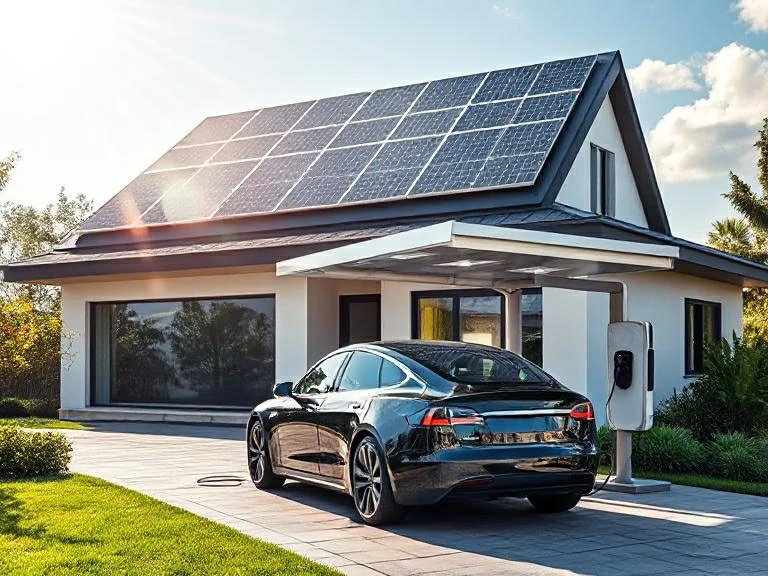
Residential solar panels are the most common application of this technology. The cost of rooftop systems typically depends on the home’s energy needs and roof size. For households with high energy consumption, a larger system may be required, increasing upfront costs but also maximizing savings over time.
The relevance of rooftop solar lies in its accessibility. Many homeowners can install solar panels without significant modifications, making it one of the most cost-effective ways to transition to renewable energy. While the upfront cost may be high, the long-term reduction in utility bills often offsets the initial investment within a decade.
Commercial Solar Panel Systems
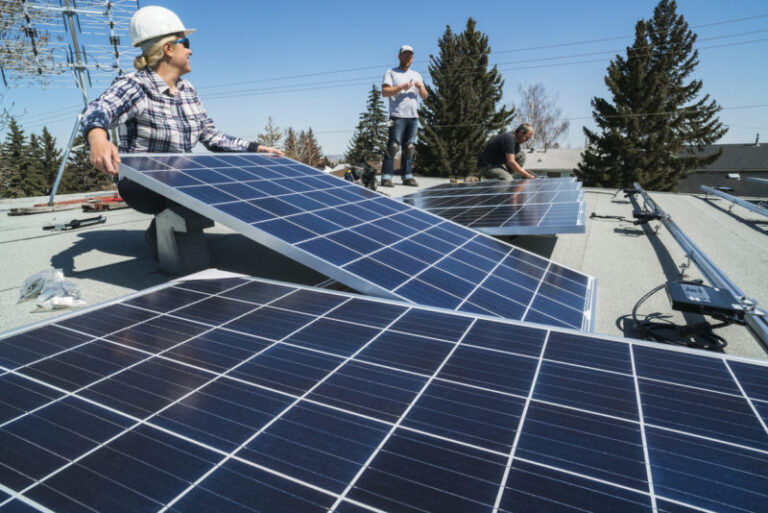
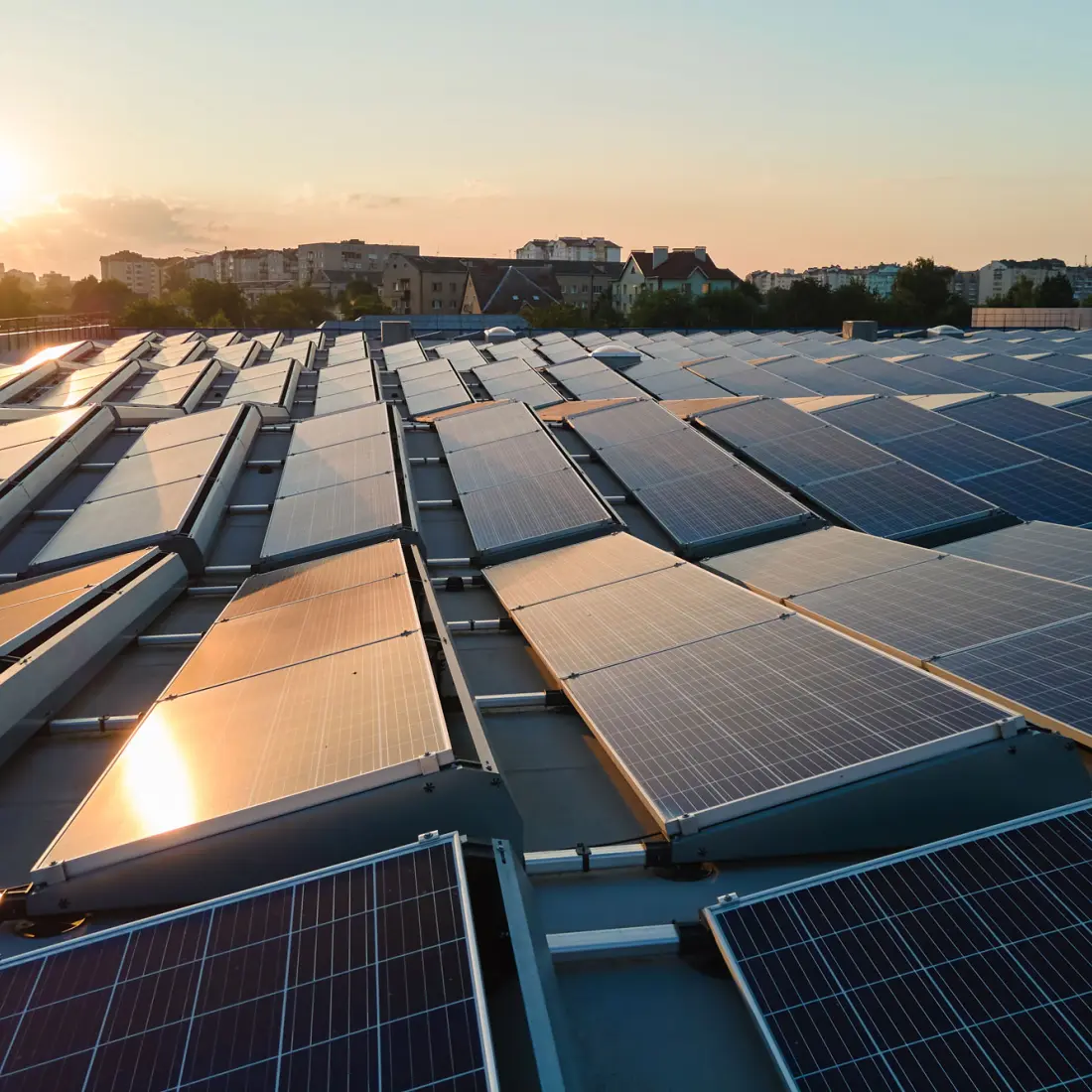
Commercial solar installations involve higher upfront costs due to scale, but the financial returns are often even greater. Businesses can generate massive amounts of electricity, cutting operational expenses and reducing reliance on traditional energy sources.
The relevance of solar for businesses extends beyond cost savings. Commercial entities also gain brand reputation benefits by demonstrating environmental responsibility. In addition, predictable energy costs from solar systems help companies stabilize their budgets, making solar an attractive long-term financial strategy.
Off-Grid Solar Systems
Off-grid solar systems are another application where cost plays a defining role. These systems are designed for remote areas without access to electricity grids. The upfront cost is higher because they require additional storage solutions like batteries, but the long-term benefit is complete independence from centralized power.
The relevance of off-grid solar is in its life-changing impact on rural communities. By covering the cost of equipment and installation once, households in off-grid areas gain reliable access to electricity, improving living standards and economic opportunities.
Utility-Scale Solar Farms
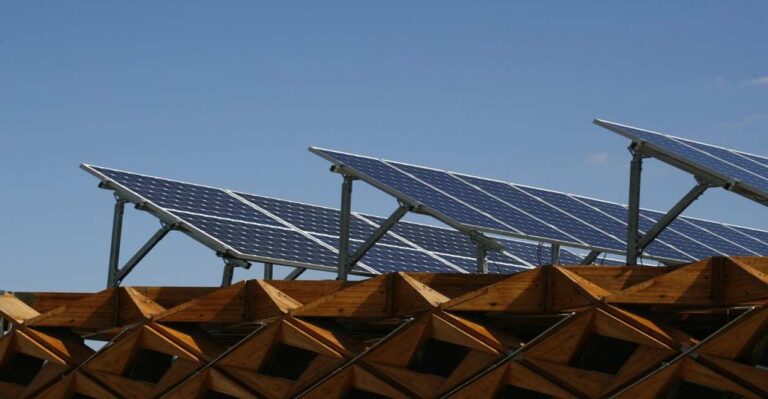
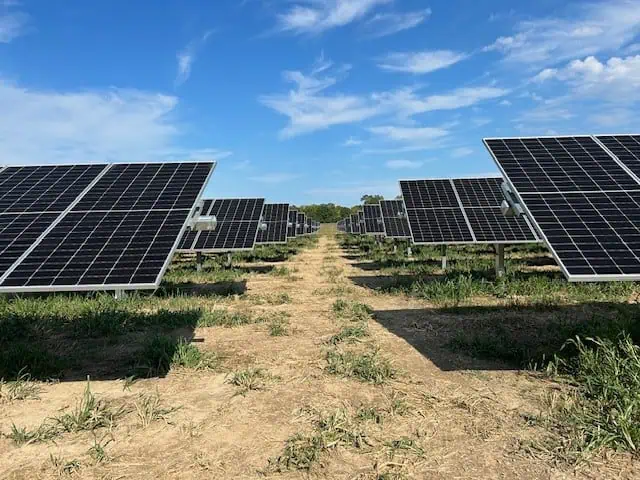
Utility-scale solar farms represent the highest-cost category due to their sheer size. These installations cover large areas of land and require substantial investment. However, they produce electricity at a scale that supplies entire communities or feeds directly into national grids.
The relevance of utility-scale projects is their role in driving down the cost of solar energy overall. By producing clean power on a massive scale, solar farms contribute to lowering national energy costs and reducing dependency on fossil fuels.
Portable Solar Panel Solutions
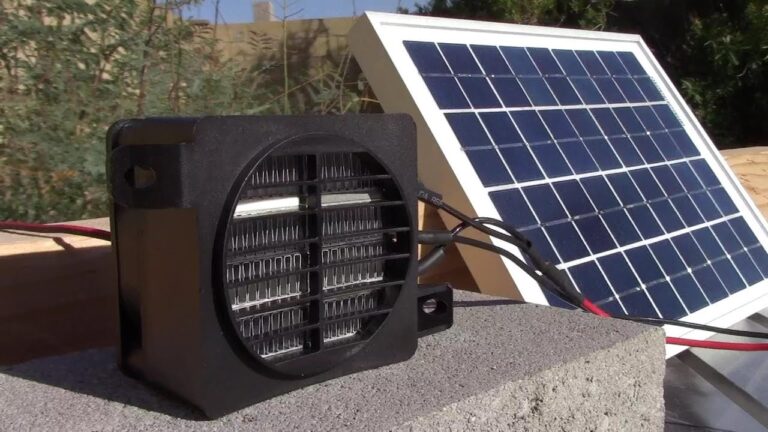
Portable solar panels, such as those used for camping, emergencies, or mobile living, come with relatively lower costs compared to residential or commercial systems. While their capacity is smaller, they serve critical functions like powering devices and lighting in off-grid scenarios.
Their relevance lies in their flexibility and accessibility. Portable solar panels make renewable energy available to individuals who cannot invest in larger systems. They also provide practical solutions in disaster relief situations, where immediate and affordable access to electricity is essential.
Practical Benefits of Solar Panel Costs in Real Life
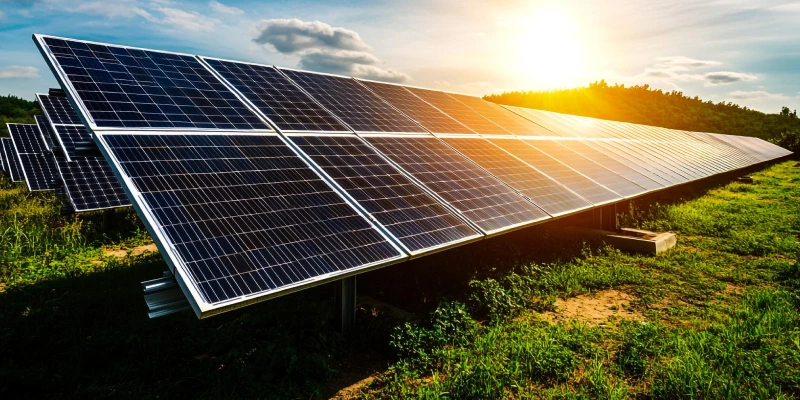
One of the practical advantages of investing in solar panels is long-term savings. While upfront costs can be high, energy bills are reduced dramatically over decades of use. In some cases, households and businesses can even eliminate their electricity costs.
Another practical benefit is energy security. With battery storage, solar panel systems provide backup power during outages or grid failures. This reliability is invaluable for households, businesses, and critical facilities like hospitals. The ability to generate and store clean power makes solar a stable and secure energy option.
Use Cases: Problems Solar Panel Cost Can Solve
For urban households, solar panels solve the problem of rising electricity bills. By making a one-time investment, homeowners shield themselves from fluctuating utility rates, ensuring predictable costs.
For rural communities, solar solves the problem of limited electricity access. Although the upfront cost may be significant, solar systems provide reliable power where grid expansion is too expensive or impractical.
For businesses, solar panel costs are justified by operational benefits. Companies solve the problem of unstable energy expenses and meet sustainability goals, which are increasingly demanded by customers and stakeholders.
For governments and nations, solar panel investments solve the problem of energy dependency. By promoting solar adoption, countries can reduce reliance on imported fossil fuels and strengthen energy resilience.
Challenges and the Future of Solar Panel Costs

Despite declining prices over the last decade, solar panels still face challenges. Upfront costs remain a barrier for many homeowners and businesses, particularly in regions with limited incentives. Installation and permitting processes can also add to expenses.
The future, however, is promising. With continued technological advancements, solar panel costs are expected to decrease further. Improvements in efficiency, manufacturing, and energy storage will make solar increasingly affordable and accessible worldwide.
Frequently Asked Questions
1. Why are solar panels expensive upfront?
Solar panels require high-quality materials, professional installation, and supporting equipment like inverters and mounting systems. These costs add up, but long-term energy savings often outweigh the initial investment.
2. Do solar panels really save money in the long run?
Yes, solar panels significantly reduce or even eliminate electricity bills over their 25–30 year lifespan. In many cases, the total savings exceed the upfront cost, making solar a profitable long-term investment.
3. Are solar panels getting cheaper?
Yes, the cost of solar panels has decreased steadily over the past decade due to advancements in technology and increased production. This trend is expected to continue, making solar energy more accessible to households and businesses worldwide.