Solar Energy: A Complete Guide to Sustainable Power and Its Real-World Applications
Solar energy is one of the most abundant and sustainable sources of power available on Earth. Derived from the sun’s radiation, it can be converted into electricity or thermal energy through various technologies. For centuries, civilizations have relied on sunlight for warmth and agriculture, but modern advancements have unlocked its potential to meet the world’s growing energy demands.
What makes solar energy truly significant is its ability to provide clean, renewable, and eco-friendly alternatives to traditional fossil fuels. As the world grapples with climate change, the adoption of solar energy offers a pathway to reducing carbon emissions, lowering dependence on non-renewable resources, and promoting energy independence.
How Solar Energy Works
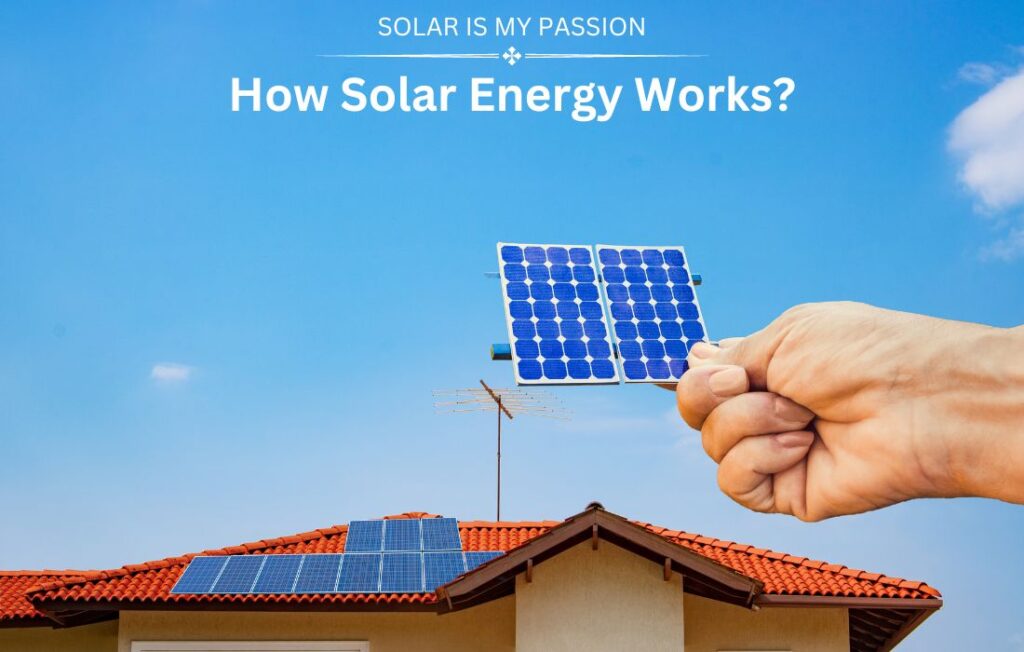
Solar energy is primarily harnessed through two main technologies: photovoltaic (PV) systems and solar thermal systems. Photovoltaic cells convert sunlight directly into electricity using semiconductor materials like silicon. When sunlight strikes the cells, it excites electrons, generating a flow of electric current.
On the other hand, solar thermal systems use mirrors or lenses to concentrate sunlight, producing heat that can be used directly or to generate electricity via turbines. Together, these systems allow solar energy to serve multiple applications, from powering homes to supplying electricity to large industries.
Benefits of Solar Energy Technology
Solar energy offers numerous advantages beyond environmental sustainability. The most significant benefit is the reduction of greenhouse gas emissions, which contributes to mitigating climate change. By replacing fossil fuels, solar energy helps cut air pollution and protects ecosystems from harmful emissions.
Another advantage is energy independence. Countries and households that invest in solar power reduce their reliance on imported fuels and centralized power grids. This decentralization increases resilience against energy crises, price fluctuations, and supply chain disruptions.
Additionally, solar energy systems require relatively low maintenance once installed and can last for decades. The scalability of solar technology from small residential rooftops to massive solar farms makes it adaptable to various needs, ensuring accessibility across regions.
Real-World Examples of Solar Energy Applications
Residential Rooftop Solar Systems
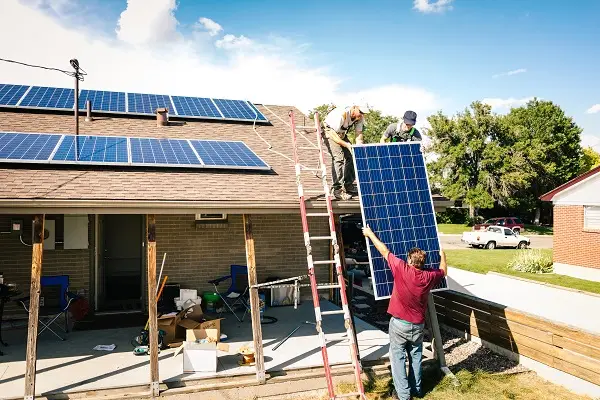
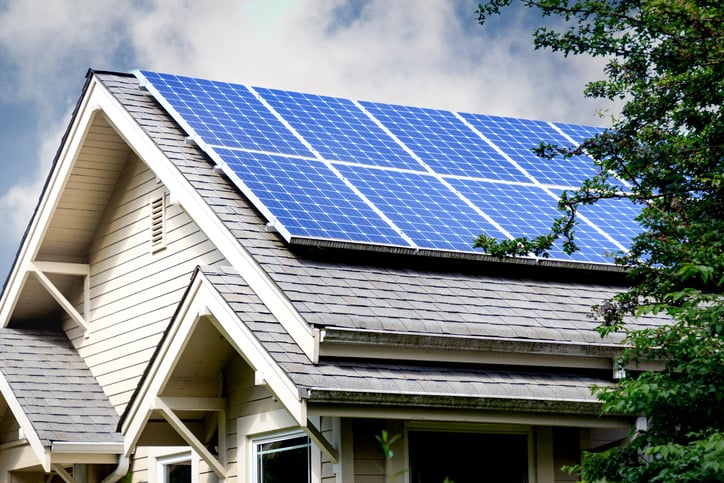
Rooftop solar systems are one of the most common applications of solar energy. These systems allow homeowners to generate their own electricity, often reducing monthly energy bills significantly. In some regions, excess energy generated can be fed back into the grid, creating additional savings through net metering.
The relevance of rooftop solar lies in its practicality and accessibility. It empowers households to contribute to sustainability while enjoying cost savings. Over time, residential solar systems not only pay for themselves but also increase property values due to their energy-efficient features.
Solar-Powered Water Heaters
Solar water heaters use sunlight to heat water for domestic or commercial use. These systems consist of collectors that absorb solar radiation and transfer the heat to water stored in insulated tanks.
The relevance of this application is profound, especially in regions with abundant sunshine. Solar water heaters reduce dependence on electricity or gas for water heating, lowering utility costs and cutting emissions. They are particularly valuable in households, hotels, and industries that require large volumes of hot water daily.
Solar Farms
Solar farms, also known as photovoltaic power stations, are large-scale installations designed to supply electricity to the grid. These farms consist of thousands of solar panels spread across wide areas, capable of generating megawatts of electricity.
Their relevance is critical in meeting large-scale energy demands sustainably. Solar farms can supply entire communities or support industries, reducing reliance on coal and gas power plants. By harnessing renewable resources, they play a vital role in achieving national and international clean energy targets.
Portable Solar Devices
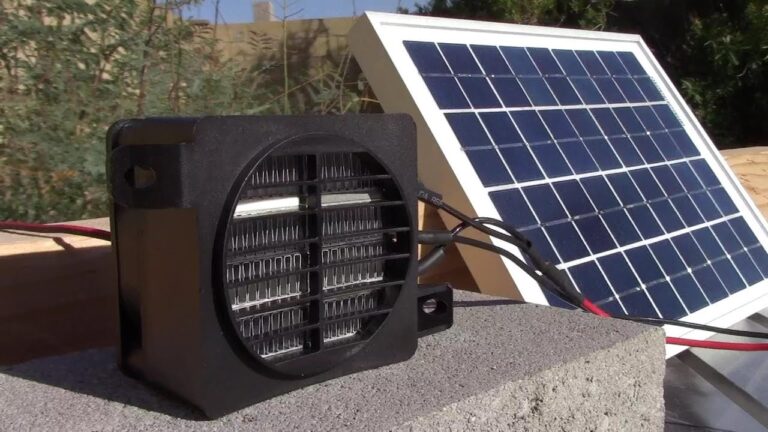
Portable solar devices such as solar chargers, lanterns, and camping equipment have become increasingly popular. These devices utilize compact photovoltaic systems to power electronics and provide lighting in remote or off-grid areas.
The relevance of portable solar lies in its ability to bring energy access to places where electricity infrastructure is lacking. From supporting disaster relief operations to enabling eco-friendly outdoor adventures, these products highlight the versatility and mobility of solar technology.
Practical Benefits and Use Cases

Solar energy is especially useful in solving real-world problems. In rural and off-grid communities, it provides a reliable source of electricity, enabling access to education, healthcare, and communication. Solar-powered microgrids are transforming lives in areas where traditional grid expansion is not economically feasible.
In urban settings, solar energy reduces the strain on centralized power systems, especially during peak demand hours. For industries, adopting solar energy contributes to sustainability goals, lowers operational costs, and enhances brand reputation as eco-conscious businesses.
Moreover, solar energy supports disaster resilience. During natural disasters, when conventional power grids may fail, solar-powered backup systems ensure continuity of essential services like hospitals, emergency shelters, and communication networks.
Challenges and Future of Solar Energy

While solar energy presents numerous opportunities, it also faces challenges such as intermittent supply due to weather conditions and the need for efficient energy storage systems. Advances in battery technology, such as lithium-ion and next-generation storage solutions, are addressing these limitations, ensuring round-the-clock availability of solar power.
Looking ahead, solar energy is expected to play a dominant role in the global energy transition. Innovations like transparent solar panels, floating solar farms, and building-integrated photovoltaics (BIPV) will further expand the possibilities of this renewable resource. As technology evolves, solar energy will become increasingly cost-effective and widely adopted.
Frequently Asked Questions
1. What is the main advantage of solar energy?
The main advantage of solar energy is its ability to provide clean, renewable, and sustainable power while reducing carbon emissions and dependence on fossil fuels.
2. Can solar energy work at night or during cloudy weather?
Solar energy systems generate the most electricity during sunny conditions, but advancements in storage technologies like batteries allow excess power to be stored and used during nighttime or cloudy periods.
3. How long do solar panels typically last?
Solar panels generally last 25 to 30 years with minimal maintenance. Over time, their efficiency may slightly decrease, but they continue to produce electricity reliably for decades.